publish:2025-12-11 12:14:38
views
:992
The environmental protection wave is sweeping the world, and the green innovation of packaging materials has become the core proposition for the sustainable development of all industries. Polylactic acid (PLA), a bio-based material derived from renewable plant resources such as corn and sugarcane, is breaking the monopoly of traditional plastic packaging with its excellent biodegradability, good physical processing performance, and the full life cycle advantage of "coming from plants and going to nature", and has become the "core engine" driving the green transformation of the industry. From the milk tea straws and coffee cups we come into contact with in our daily lives to 3D printing consumables and electronic components in the industrial field, the application boundaries of PLA are expanding at a visible speed, injecting new environmental vitality into multiple industries and bringing "sustainable consumption" from concept to reality.
PLA: The "Star Player" of Biodegradable Materials
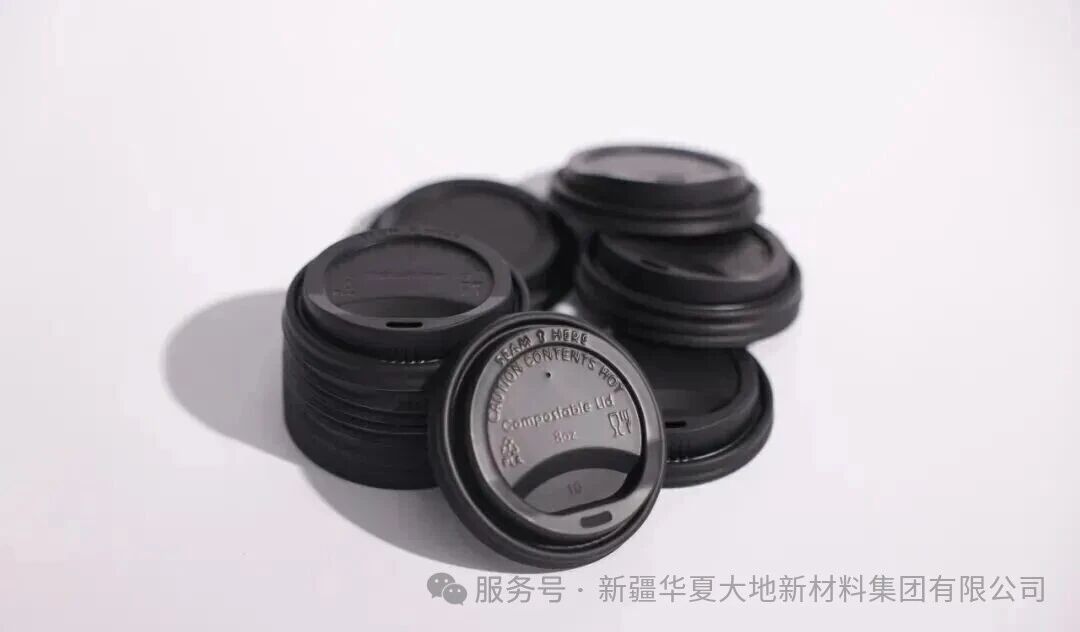
As the most commercially mature category among biodegradable materials, every step of PLA's development has been closely watched by the industry. Its raw materials are derived from renewable plant resources such as corn and sugarcane, and are made through biological fermentation and polymerization, thus getting rid of the reliance on petroleum from the source. This material can gradually degrade into water and carbon dioxide in the natural environment, fundamentally solving the pollution problem of traditional plastics that is "difficult to eliminate for a hundred years".
The continuous release of policy dividends has further boosted the accelerated development of the PLA industry. China's "Action Plan for Plastic Pollution Control during the 14th Five-Year Plan Period" explicitly promotes the application of biodegradable materials, and the EU's "Single-Use Plastics Directive" imposes strict restrictions on non-biodegradable packaging. These policies have opened up a broad market space for PLA materials. Meanwhile, the application scenarios of PLA are extending from the consumer end to the production end, showing great potential in fields such as agriculture and healthcare. In the agricultural sector, PLA degradable mulching film can avoid the residual pollution of traditional mulching film and also replenish organic matter to the soil after degradation. PLA in the medical field can absorb sutures, eliminating the need for secondary suture removal. It can naturally degrade in the human body, reducing patients' suffering.
Cross-border Breakthrough: The Diverse Application Landscape of PLA
Catering First: The "Main Battlefield" of Eco-friendly Packaging
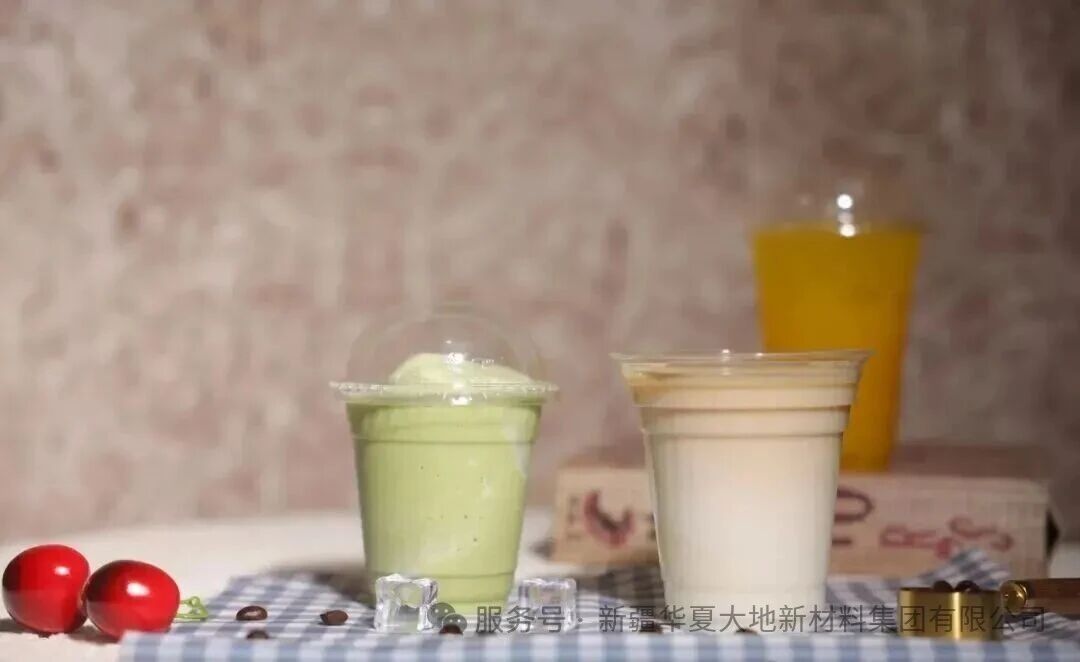
The catering industry is a "pioneer" in the application of PLA. From early exploration to full-scale popularization, it has formed mature practical samples. In 2014, Danone Group was the first to replace 5% of its yogurt packaging with PLA material, firing the first shot in the environmental protection upgrade of food packaging. In 2021, Heytea achieved full coverage of PLA straws and tableware in all its stores across the country. By the end of 2024, it had cumulatively reduced the use of over 2 billion plastic straws, setting a benchmark in the tea beverage industry.
Starbucks, Luckin Coffee and other coffee brands have also been continuously stepping up their environmental protection practices: Starbucks has launched the "residue tube", which combines the extracted and discarded coffee powder with PLA for processing. This not only realizes the resource utilization of waste materials, but also has a hardness 20% higher than that of pure PLA straws. After its launch, it has received widespread praise from consumers. Starting from February 2025, Starbucks has stopped using plastic cold drink cups in specific stores in 14 states of the United States and switched to PLA-lined compostable paper cups, reducing plastic consumption by over 500 kilograms per store per month. Luckin Coffee has promoted PLA ice drink straws in nearly 5,000 stores and launched a "Bring your own cup and get 5 yuan off" campaign to encourage consumers to participate in environmental protection. The successive follow-ups of enterprises such as Pizza Hut, Yili and Mengniu have made the catering industry the most widely and maturely applied field of PLA.
Multi-field penetration: All-round development from food to technologyThe environmental value of PLA is breaking through the boundaries of the catering industry and extending to more fields:
In the food industry, Nestle launched PLA-lined coffee capsules in 2022, which not only ensure the freshness of coffee but also make the packaging compostable.
- 3D printing: Leading enterprises such as Stratasys and Ultimaker take PLA as the core consumable. The PLA+ consumable developed by Sanlv Technology meets professional demands with high precision and multiple colors.
-- Electronic daily Chemicals: Samsung uses PLA to make SIM card trays and body decorative parts in the Galaxy S25 series. The degradation cycle is 80% shorter than that of traditional ABS plastic. After the launch of this series, the related topic of "environmentally friendly design" has received more than 200 million views on social media platforms. Shiseido, a leading consumer goods manufacturer, applied PLA packaging to five of its skin care products in the Chinese market as early as 2008. The "PLA+ polyethylene" composite structure it developed has solved the problems of insufficient heat resistance and moisture resistance of PLA. Currently, this technology has been promoted in products in 12 countries around the world.
In the agricultural sector: In major agricultural production areas such as Xinjiang and Gansu, PLA degradable mulching film has been applied on a large scale. This type of mulching film can naturally degrade into organic matter after the harvest of crops, avoiding the pollution problem of traditional plastic mulching film, which is "cleaned every year but accumulates more and more". A cotton farmer in Xinjiang gave feedback after using it: "Previously, it took three days to collect the plastic film after cotton harvest. Now, PLA plastic film is used, which saves labor and does not pollute the land."
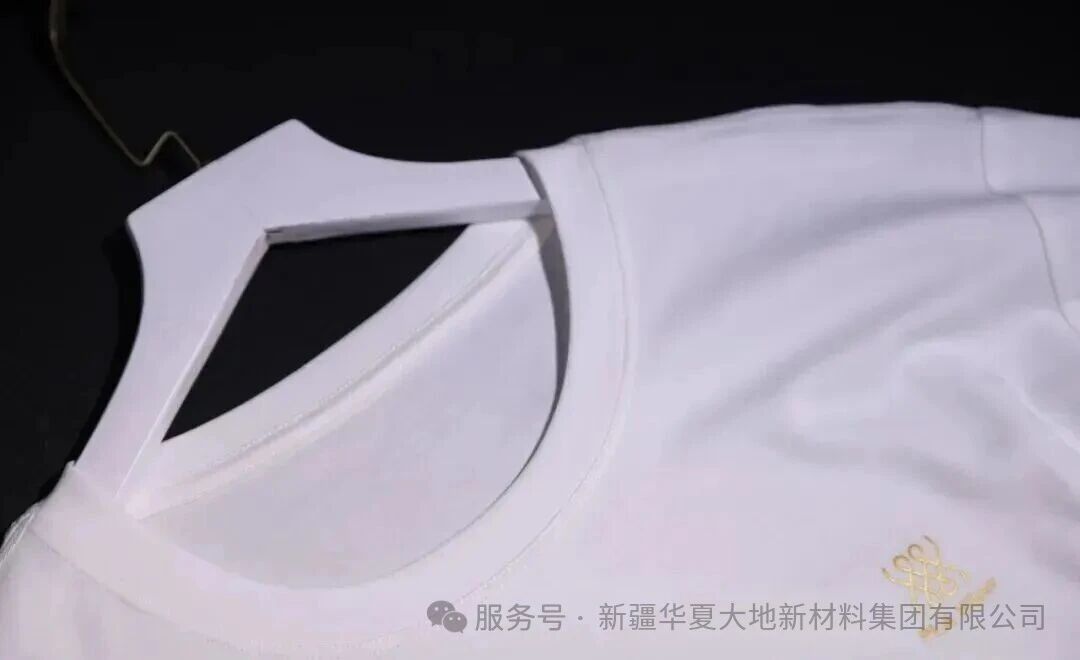
In the clothing industry, Uniqlo has launched PLA fiber T-shirts, which are made from renewable corn and have 30% less carbon emissions during the production process compared to pure cotton T-shirts. After their launch, they have become best-selling items in the eco-friendly series.
Outlook: The Future of PLA is not Limited to "biodegradability"
At present, the application of PLA is still mainly concentrated in the catering industry. This is not only because this industry is closely related to consumers' lives and the demand for environmental protection is more urgent, but also because the packaging form is relatively simple and easy to achieve material replacement. Although challenges such as high costs and the need for performance optimization in some special scenarios still exist, the solutions are gradually becoming clear: Technically, domestic enterprises have optimized the efficiency of microbial fermentation through genetic engineering, reducing the cost of PLA raw materials by 40% compared to 2018. On the policy front, cities such as Shenzhen and Shanghai have already introduced "subsidy policies for biodegradable materials", providing a subsidy of 2,000 yuan per ton to enterprises that use PLA packaging. On the market side, consumers' environmental awareness has improved. According to data from JD Supermarket, the sales volume of food labeled "PLA degradable packaging" is 25% higher than that of ordinary products. The modification technology has significantly enhanced the heat resistance and moisture resistance of PLA, while large-scale production has continuously reduced costs. Multiple favorable factors are accelerating the popularization of PLA.
From clothing fabrics to household items, from industrial components to medical consumables, the application imagination space of PLA is expanding infinitely. The current pioneering practices in various industries are merely the starting point of the green transformation. With the tightening of environmental protection policies and the upgrading of consumption concepts, PLA is bound to transform from an "alternative choice" to a "mainstream standard configuration", injecting lasting impetus into global sustainable development.