
The problem of white pollution on Earth is extremely serious, and it is mainly manifested in the following aspects:
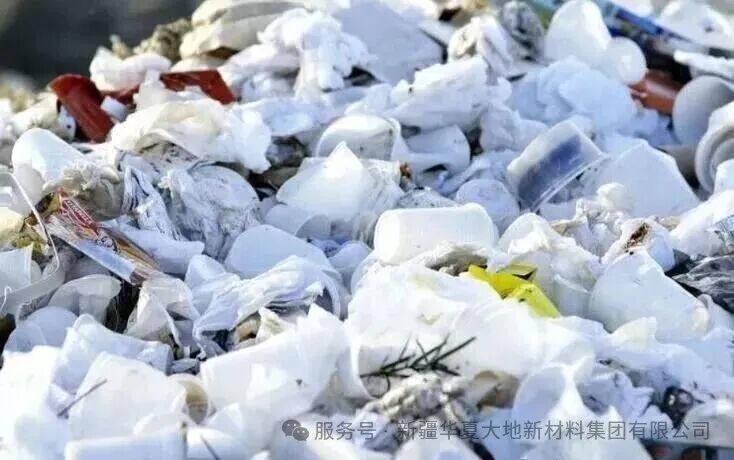
a. The production and consumption of plastics are huge. Every year, approximately 438 million tons of new plastic are produced globally, and the consumption of plastics is increasing at a rate of 8% annually. The annual plastic consumption is expected to reach over 700 million tons by 2030. The widespread use of plastic products leads to the generation of a large amount of waste.
b. The disposal of plastic waste is difficult. Nearly 80% of plastic waste cannot be effectively treated. Most of it is piled up in landfill sites or in the natural environment. Plastic takes several hundred or even thousands of years to completely degrade in the natural environment, during which it releases toxic chemicals and microplastic particles, polluting soil, groundwater and the ecosystem.
c. Marine pollution is severe. Approximately 8 million tons of plastic waste enter the ocean every year, equivalent to dumping a garbage truck's worth of plastic into the sea every minute. Microplastics can be detected in 90% of the surface water bodies worldwide. Marine organisms mistake plastic for food and die from suffocation or other causes, which even affects the balance of the entire marine ecosystem.
d. Soil Pollution and Agricultural Impact: Plastic waste mixed into the soil affects the absorption of nutrients and water by crops, resulting in reduced crop yields. For instance, if there are 3.9 kilograms of residual plastic film per acre, corn yields decrease by 11% to 23%, and wheat yields decrease by 9% to 16%. Moreover, the pollution is difficult to eliminate.
e. Potential threats to human health Humans ingest approximately 5 grams of plastic each week through food, water, etc., which is equivalent to the weight of a credit card. Microplastics may enter the human body through the digestive tract, respiratory tract, and skin, accumulate in organs such as the blood, lungs, and liver, and pose potential hazards to the human endocrine system, immune system, and nervous system.
f. Visual Pollution and Ecological Damage Plastic waste is scattered in cities, tourist areas, water bodies and along roads, damaging the city's appearance and affecting people's quality of life and the ecological environment. At the same time, white waste may become a breeding ground for harmful organisms, increasing the risk of disease transmission.
In conclusion, white pollution has become a global environmental crisis. It is urgent for governments, enterprises and the public of all countries to work together and take measures such as reducing plastic usage, strengthening recycling, and promoting degradable materials to alleviate the threat of white pollution to the Earth's ecology and human health. This task is extremely urgent!! We hope for a better future for the Earth's environment!