
On March 12, 2026, the 14th National People's Congress Fourth Session adopted the "Ecological Environment Code of the People's Republic of China". As a fundamental legal document in the field of environmental protection, this code systematically constructed a system framework for pollution prevention and control, ecological protection, and green and low-carbon development. Among them, the relevant provisions on degradable materials, bio-based products, and environmentally friendly packaging provided clear legal guidance for the green transformation of industries and laid a institutional foundation for public green consumption.
I. Degradable Materials: An Important Path for Pollution Control
In the chapter on solid waste pollution prevention and control, the code clearly states that the application of degradable materials is a key measure to reduce environmental pollution. According to the regulations, degradable materials must comply with relevant national standards and can gradually decompose under natural environments or industrial composting conditions, avoiding ecological damage caused by long-term residue. In terms of application scenarios, the code encourages the promotion of degradable products in areas such as disposable tableware, agricultural films, and packaging materials, and requires producers and operators to prioritize the use of recyclable, easily recyclable, degradable, and harmless alternative products. Regarding disposable plastic products, the code explicitly prohibits and restricts the production, sale, and use of non-degradable plastic bags and other products, promoting the reduction of the use of disposable plastic products, and establishing and improving a recycling system to enhance the resource utilization level of discarded degradable products. In addition, the code sets up full-process regulatory requirements for the production, sales, and use of degradable materials. Producers must ensure that their products comply with pollution prevention and control technical standards, and relevant departments strengthen quality control through monitoring and spot checks to ensure that the environmental protection effectiveness of degradable materials is truly implemented.
II. Bio-based Materials: The Core Support for Green and Low-Carbon Development
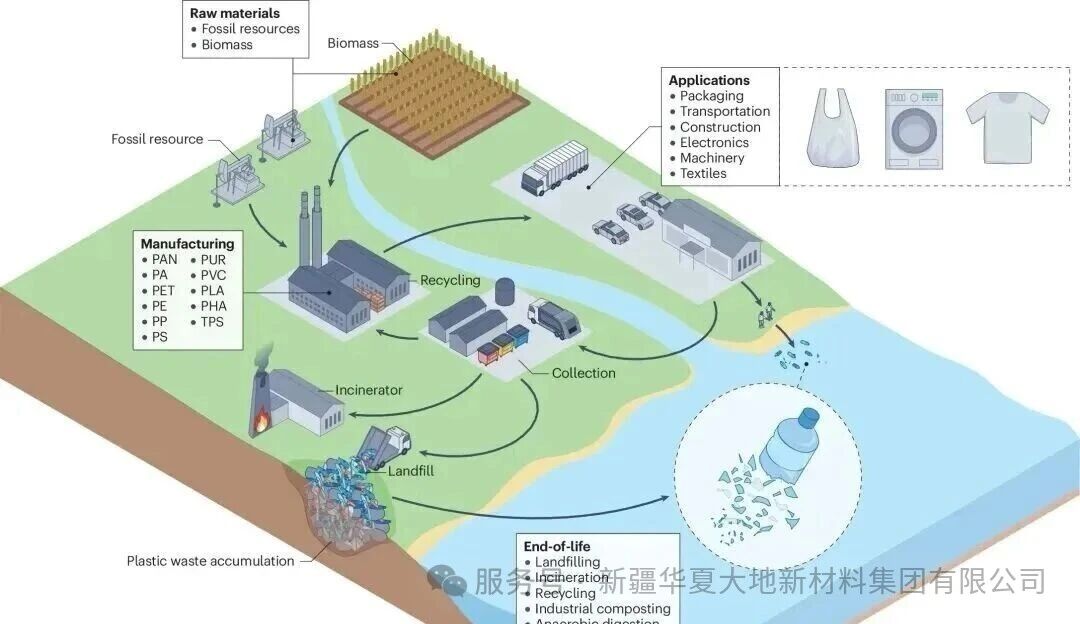
Biobased materials, as environmentally friendly materials derived from renewable biomass resources, are prominently mentioned in the chapter on green and low-carbon development of the code, and have become an important direction for promoting the optimization of the industrial structure. The code clearly supports the research, production, and promotion of biobased materials, incorporating them into the green industry support system. Through fiscal and tax policies, it encourages relevant technological innovation and industrialization applications. In the production process, the code requires that the production of biobased materials follow the principle of clean production, adopt processes and equipment with high resource utilization and low pollutant emissions, and reduce environmental impact from the source. At the same time, the production of biobased materials must comply with relevant standards for ecological environment protection, and must not damage ecosystem functions. The treatment of waste from biobased materials also needs to meet the requirements of degradability or resource utilization, forming a "production - use - waste - circulation" full life cycle environmental protection loop. In the application field, the code encourages biobased materials to replace traditional petroleum-based materials in packaging, light industry, and chemical industries, promoting the construction of green supply chains for related products, and requiring enterprises to prioritize the purchase and use of biobased environmentally friendly materials, promoting the coordinated green transformation of upstream and downstream industries.
III. Packaging Sustainability: Strict Green Requirements Throughout the Supply Chain
The code has established environmental protection regulations covering the entire chain of production, circulation and consumption to address the issue of packaging pollution. It clearly sets the core principles of "green packaging" and "reduced packaging". Producers and operators are required to abide by the mandatory standards that restrict excessive packaging of goods, reduce the generation of packaging waste, and ensure that the materials, structure and cost of packaging are compatible with the contents of the products, avoiding waste of resources and environmental pollution. In terms of packaging material selection, the code encourages the use of recyclable, degradable and biogenic environmental-friendly materials, promotes the use of recycled materials to produce packaging products, and establishes a system for the recycling and utilization of packaging waste. For key industries such as e-commerce, express delivery and food delivery, the code requires relevant enterprises to reduce the use of packaging materials, prioritize the use of reusable and easily recyclable packaging materials, and establish a reporting system for the use and recycling of packaging materials. At the same time, the code strengthens the supervision and management of packaging environmental protection, clarifies the regulatory responsibilities of market supervision and commerce departments at the county level and above, and through special inspections and daily supervision, investigates and deals with illegal acts such as excessive packaging and the use of non-environmentally friendly packaging that does not meet standards, promoting the transformation of the packaging industry towards greening, reduction and recycling.
IV. Legal Guarantee: Protecting the Application of Green Materials
The code improves the legal liability system, providing a solid guarantee for the promotion and application of degradable materials, bio-based products, and environmentally friendly packaging. For behaviors such as producing or selling degradable materials, bio-based products that do not meet environmental protection standards, or using non-environmentally friendly packaging in violation of regulations, the code clearly stipulates administrative penalties such as fines,责令改正 (ordering rectification), and suspension of business operations for rectification. If such actions cause environmental pollution or ecological damage, they must bear civil liability for eliminating pollution and restoring the ecology in accordance with the law; if criminal responsibility is constituted, it will be pursued according to law. In addition, the code establishes an incentive mechanism, providing support in terms of tax preferences and government green procurement for enterprises that adopt degradable materials, bio-based materials, and environmentally friendly packaging, guiding market entities to actively fulfill environmental protection responsibilities. At the same time, through the system of information disclosure and public participation, it encourages public supervision of related illegal acts, creating a favorable atmosphere for the entire society to jointly promote green transformation. The regulations of the "Environmental Law Code of the People's Republic of China" on degradable materials, bio-based products, and environmentally friendly packaging not only respond to the current practical needs of environmental protection, but also point out the direction for the green transformation of industries. With the implementation of these regulations, it will promote the formation of a virtuous cycle of environmentally friendly production and green consumption, providing solid legal support for building an ecological civilization and achieving modernization with harmonious coexistence between humans and nature.