publish:2026-03-17 17:29:09
source
: 微信公众号
author
:地球平衡与稳态
views
:940
Plastic mulch films—primarily composed of petroleum-based polymers such as polyethylene and polyvinyl chloride—are widely used to increase soil temperature, conserve soil moisture and suppress weeds, thus achieving higher crop yields. However, these benefits are accompanied by an increasingly heavy ecological cost.
Non-degradable mulch films can persist in soil for decades or even centuries and gradually fragment into microplastics smaller than 5 millimeters in diameter. These microplastics not only damage soil structure and biogeochemical processes, but ultimately pose a threat to long-term food security.
In addition, mulch films release harmful by-products during weathering, including ethylene monomers and heavy metals such as cadmium and lead. These toxic substances can bioaccumulate through the food chain.
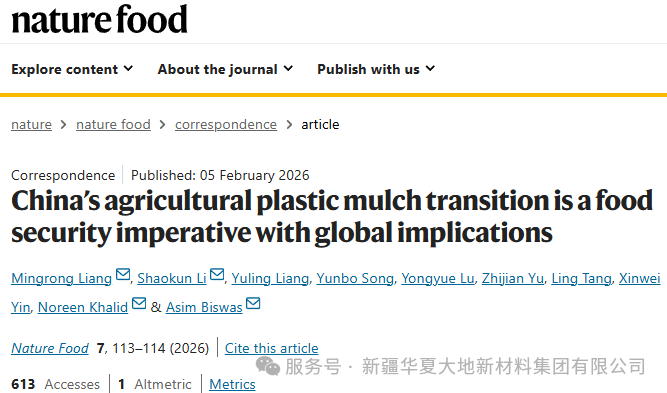
Given the potential risks posed by plastic mulch films, China introduced regulations for the full-life-cycle management of agricultural films in 2020. However, challenges remain, including shortcomings in the waste agricultural film recycling system, inconsistent law enforcement in remote areas (especially in northwest China), and the inadequate promotion and application of biodegradable alternatives. Addressing these issues is crucial to enhancing the overall effectiveness of this policy.
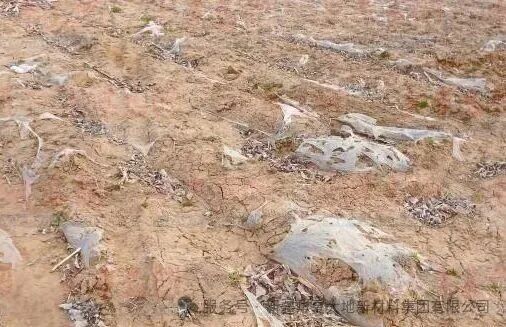
China is the world's largest consumer of agricultural plastic mulch films, accounting for more than 68% of the global total; each year, over 2.5 million tons of agricultural films are applied to approximately 20 million hectares of cultivated land. It is estimated that about 500,000 tons of agricultural film residues (accounting for approximately 18.6% of the total applied amount) remain in the soil each year, and another 4,329 tons enter the water system through soil erosion and surface runoff. The distribution of this environmental load is not balanced. For example, although Shandong and Sichuan provinces rank among the top in historical agricultural film usage in the country (ranking first and third respectively), their agricultural film residue rates are the lowest (0.027 and 0.0097 respectively); this stands in sharp contrast to provinces such as Xinjiang (with a residue rate as high as 0.42), fully revealing that there are still significant regional differences in governance capacity and management levels across various regions. In addition to directly affecting the farmland environment, the carbon emissions generated during the full life cycle of agricultural films are also enormous; in the production link of plastic mulch films alone, the production of 1 kilogram of film may generate 2.5 kilograms of carbon dioxide emissions, creating a direct connection between the use of plastic mulch films and climate goals. Therefore, the above phenomena indicate that there is an urgent need for us to construct a collaborative and operable comprehensive framework that crosses the boundaries of policies, technologies and regions.
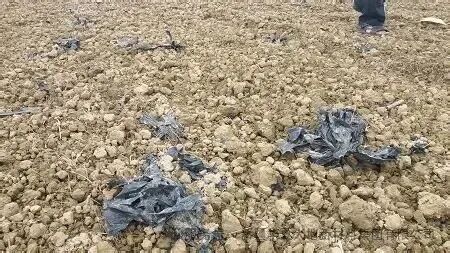
At the policy level, China should formulate a clear timetable for the phased phasing out of non-biodegradable agricultural films: for example, set a goal to increase the penetration rate of biodegradable films to 50% by 2030, and fully complete the transition to biodegradable films in ecologically sensitive areas by 2035. The regulatory system can introduce an "Extended Producer Responsibility (EPR) system", requiring mulch film manufacturers to bear the cost of recycling and disposal of waste agricultural films, thereby establishing an interest-compatible incentive mechanism throughout the supply chain. Through precise regulation, the organic combination of taxes on ordinary plastic films and subsidies for biodegradable mulch films (BMFs) can not only effectively bridge the current cost gap between the two types of products, but also stimulate the vitality of technological innovation without damaging the planting income of farmers. In addition, incorporating microplastic monitoring into the existing food safety testing system can provide regulatory authorities with a trigger mechanism similar to the "pesticide residue limit standards"; this will help accelerate the promotion and application of biodegradable mulch films, and provide corresponding incentives and rewards to agricultural product producers who meet higher sustainability standards. Driven by consumer trust and procurement policies, market signals can be aligned with regulatory goals, thereby creating lasting demand for safer materials and production practices.At the same time, technological deployment must advance in tandem to ensure the feasibility of achieving policy goals. Priority areas for innovation include: biodegradable mulch film (BMF) formulations that can adapt to different climatic conditions and ensure stable degradation in the diverse agricultural and climatic environments across China; systems that implement variable application using precision GPS navigation technology, aiming to reduce material usage while maintaining agricultural production efficiency; on-farm circular utilization approaches that convert collected waste plastics into usable fuels; remediation of historically accumulated microplastics through "soil washing combined with bioaugmentation" technology; and promotion of proven alternative solutions (such as mechanized straw mulching technology) to reduce reliance on polymer films. Systematic integration of these innovative achievements can construct an end-to-end comprehensive governance path: the upstream link focuses on applying smarter materials and achieving streamlined use; the midstream link focuses on the recycling and energy utilization of waste; the downstream link resolves historically accumulated environmental burdens and avoids falling into the predicament of "path dependence" in the future through remediation and alternative means.
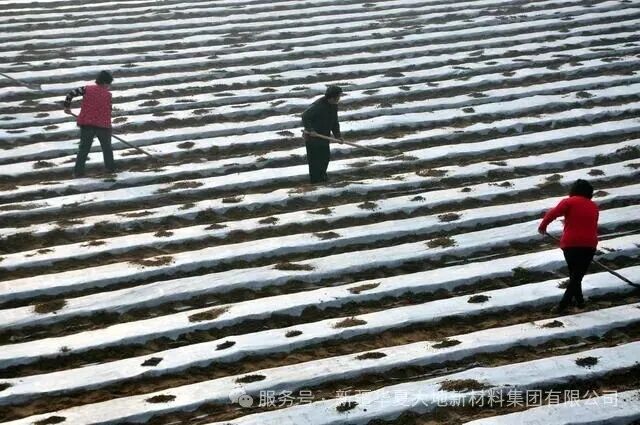
It is particularly important that specific implementation plans must be tailored to local conditions and fully aligned with the local agricultural and ecological environment. In the arid regions of northwest China, where plastic residues often reach more than 1,000 kilograms per hectare, mechanized straw mulching technology provides an immediate alternative—this technology not only maintains crop yields, but also reduces greenhouse gas emission intensity by 12% to 22%. In the intensive agricultural systems in eastern China, the promotion and application of biodegradable mulch films (BMFs) should be closely coordinated with municipal recycling and logistics infrastructure to effectively prevent waste leakage and significantly improve recycling rates. For remote areas with high transportation costs and relatively scarce waste disposal services, portable pyrolysis devices will be of great benefit—such devices can convert collected waste mulch films into fuel on-site, which not only creates a localized economic value stream, but also provides a stronger economic incentive for farmers to participate in waste recycling.A credible national-level plan must also include quantifiable goals and feedback mechanisms. Mandatory recycling quotas—such as setting a recovery rate of at least 80% (this indicator can be adjusted according to the specific conditions of each province)—can be combined with government co-investment in pyrolysis and mechanical recycling capacity; at the same time, investment in scientific research funds will accelerate the development of next-generation biodegradable materials designed specifically for local climate and soil environments. Given that current residues may remain in the environment for 30 to 100 years, the timing of intervention is crucial: even a delay of only five years may cause millions of hectares of land to cross the "irreversible" threshold of soil degradation. Given the transnational nature of food security, the Ministry of Agriculture and Rural Affairs and the Ministry of Ecology and Environment should collaborate with international partners to share best practices and jointly develop emerging global standards for agricultural plastic management.Overall, China's policy choices will reshape the global agricultural plastic market pattern. If a successful transition can be achieved, it will strongly demonstrate that as the world's largest food production system, China is fully capable of reducing its reliance on plastics while improving productivity; this will also provide a highly valuable roadmap for countries facing the trade-off between "short-term yields" and "long-term soil and climate health". If China can play a strategic leading role—such as taking the lead in establishing an "International Research Center for Sustainable Agricultural Mulch Films"—it will help further accelerate the transfer of technologies to low-income countries, prevent the export of backward production models, and promote the establishment of global standards for biodegradable agricultural materials. In the final analysis, the "mulch film pollution crisis" facing China's agricultural sector is a decisive test: if China can achieve sustainable agricultural development while ensuring national food security, it will surely set a strong example for the transformation of the global food system.