
Degradation or Hype? Unveiling the Technical Barriers and Future of Polylactic Acid (PLA)
01 Introduction: A Material That Can Be "Grown"
In the era of global plastic bans, the plastic straws in your hands and the packaging bags in supermarkets might be undergoing a subtle transformation. They look and feel like plastic, but their essence is quite different.
This is poly(lactic acid) (Polylactic Acid, abbreviated as PLA).
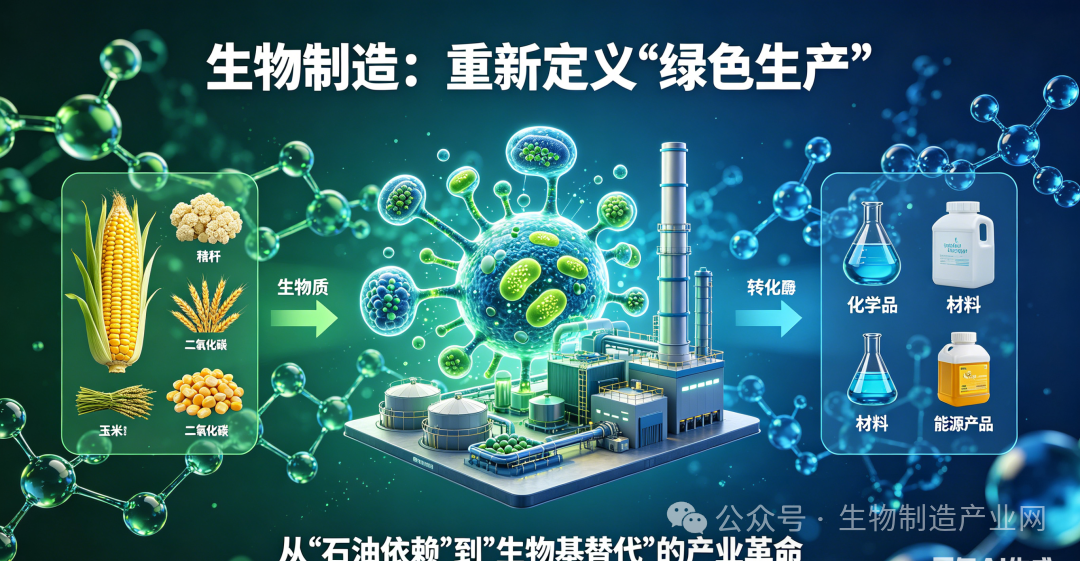
It does not come from buried petroleum underground, but from corn, cassava, or sugar cane on farmland. As the most industrialized and widely used biodegradable material, PLA is hailed as the "green gold".
02 Technical Dissection: From Carbohydrates to Polymers
For technicians, the charm of PLA lies in its elegant chemical transformation process.
1. Production Process: The Two-Step Method is the Mainstream
Currently, the industrial production of high-molecular-weight PLA generally adopts the lactide ring-opening polymerization method (ROP):
Step 1: Fermentation and Extraction. Convert starch into glucose, and then use lactic acid bacteria to ferment to produce lactic acid.
Step 2: Pre-Polymerization and Crystallization. Dehydrate the lactic acid to form oligomers, and catalytically decompose under high-temperature vacuum to generate the intermediate - lactide (Lactide).
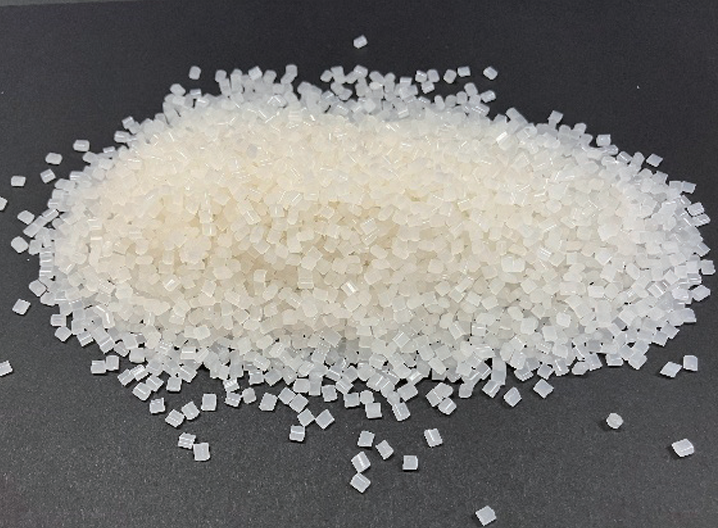
Step 3: Ring-Opening Polymerization. After purification, the lactide undergoes ring-opening polymerization under the action of a catalyst to form high-molecular-weight PLA resin.
Technical Challenges: The purity of lactide directly determines the molecular weight and thermal stability of PLA. That's why "lactide synthesis" is called the "crown jewel" of the biodegradable material industry.
2. Core Performance Indicators
Performance Indicators Values/Characteristics Industry evaluation
Melting point (Tm) 150℃ - 180℃ Moderate, with a wide processing window
Glass transition temperature (Tg) 55℃ - 65℃ Heat resistance is its weakness.
Tensile strength 50 - 70 MPa Close to polystyrene (PS)
Biocompatibility Excellent Can be used for medical sutures and orthopedic stents
03 Pain Point Analysis: The Truth of Degradation and the Art of Modification
Degradation requires "specific conditions"
The general public often has a misconception: PLA disappears in the soil after a few days. The truth: PLA's degradation mainly occurs through random hydrolysis to break the chain, followed by digestion by microorganisms. It can completely convert into water and carbon dioxide within 3-6 months in an industrial compost environment (with a temperature above 58°C and a humidity above 90%). However, in ordinary backyards of households or in the ocean, the degradation rate will significantly slow down.
Performance "Rejuvenation": Modification Technology
The original PLA has high brittleness and is not heat-resistant. To attract more commercial customers, modification technology is crucial:
Heat-resistant modification: By adding nucleating agents or forming a three-dimensional composite crystal with PDLA (poly-DL-lactic acid), the heat-resistant temperature can be raised to above 100°C.
Toughening modification: Introducing PBAT or PBS for blending to solve the problem of "breaking at one fold" of straws.
04 Industry Trends: Who is Paying for PLA?
Catering Packaging: A necessary market under the plastic ban order, including cold drink cups, transparent packaging boxes, straws, etc.
3D Printing: PLA has a low shrinkage rate and is non-toxic, making it the most popular 3D printing material at present.
Textile and Clothing: It has natural antibacterial, UV resistance, and sweat-wicking properties.
High-end Medical: Sustained-release capsules, tissue engineering scaffolds, etc., in high-value-added fields.
05 Conclusion: Business Logic and the Future
Since 2020, PLA has experienced a price surge due to insufficient production capacity and also a rational return after market trials.
For technicians, the opportunities in the future lie in how to reduce the production cost of caprolactone and how to achieve more efficient monomer conversion through biotechnological synthesis.
For enterprise customers, choosing PLA is not only fulfilling environmental protection responsibilities, but also laying out future core competitiveness in the context of global "carbon tariffs".
A "carbon" pioneer, green for the future. The story of PLA has just begun.