
In 2026, the management of plastic pollution will witness a crucial turning point: China's "Ecological and Environmental Code" will come into effect in August, and the EU's ban on single-use plastics will be fully implemented. Globally, the control over plastic pollution will shift from "advocating reduction" to "rigid constraints". Meanwhile, top-level journal research has confirmed that microplastics have invaded the human brain, blood, and even the placenta. Microplastics were detected in over 99% of human brain samples, and long-term exposure may be associated with health risks. The harm of white pollution has spread from the ecosystem to the human body, forcing the industry to seek alternative solutions. Fully biodegradable plastics centered on PLA (polylactic acid) and PHA (polyhydroxyalkanoates) have become the key to resolving the crisis.
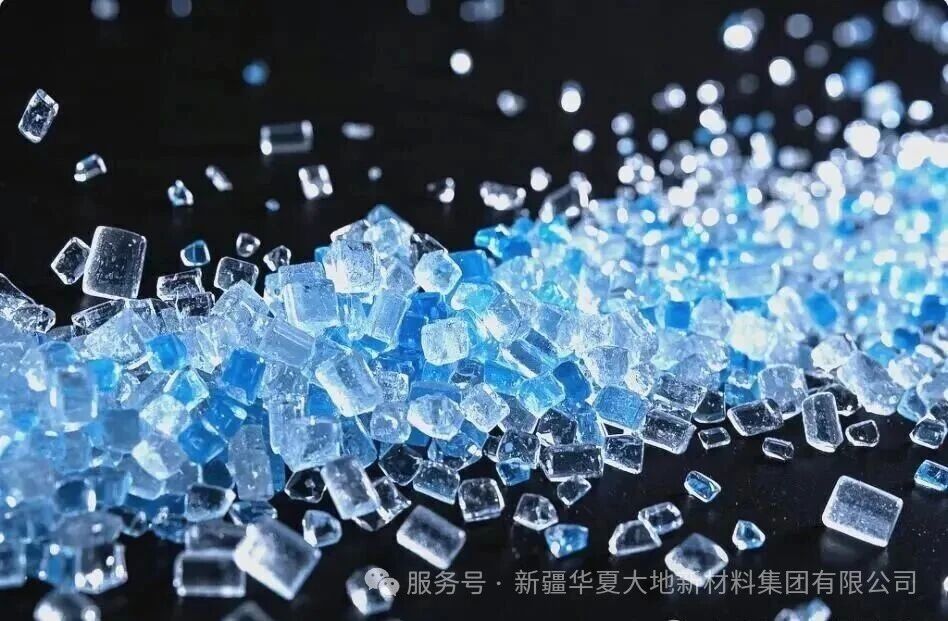
Plastic Pollution: A Dual Crisis Emerges
Picture
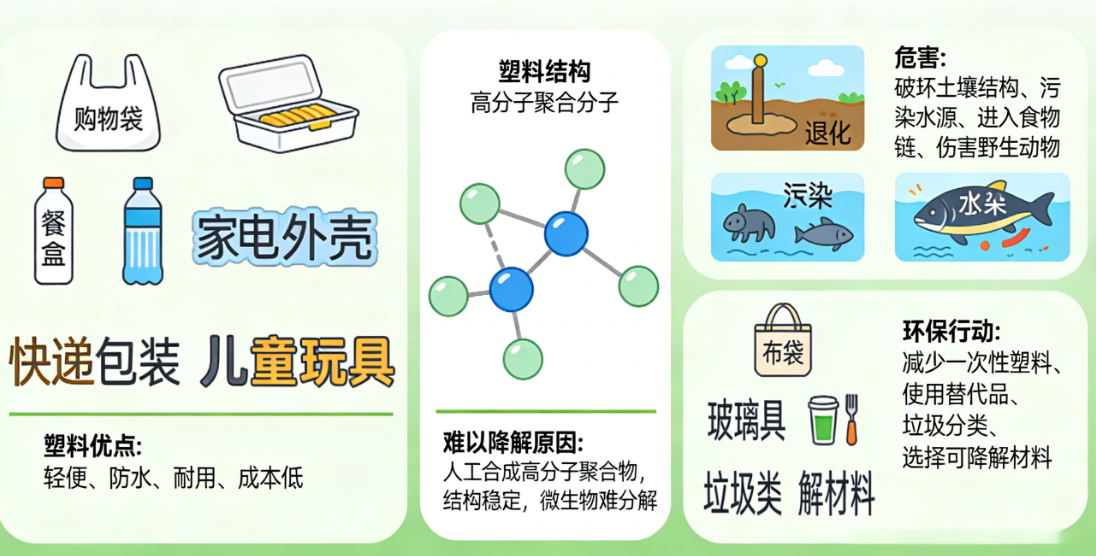
The global annual plastic production exceeds 430 million tons, with 40% being disposable products. Most of them are directly discarded, forming a "white enclosure". As the world's largest producer and consumer of plastics, China generates over 60 million tons of plastic waste annually. Only 10% of it is effectively recycled, while the rest remain in the soil and the ocean. Traditional plastics take 200 to 500 years to degrade, breaking down into microplastics during the process, creating a vicious cycle of "degradation leading to pollution".
Microplastics have crossed the ecological boundary and directly threatened human health. In May 2026, a study conducted by Zhejiang University revealed that when polyethylene takeout boxes containing oily food are microwaved, the amount of microplastics released is 125 times that when they are filled with water. These microplastics can enter the human body through diet, breathing, etc., and within 2 hours, they can cross the blood-brain barrier and accumulate in organs, causing damage. From the snow and ice of Mount Everest to the sediments of the ocean trenches, microplastics have achieved "uninterrupted infiltration", becoming the "invisible killer" of the ecosystem and health.
"Restricting and banning plastic use" has become a global consensus. However, alternative solutions such as non-woven bags and paper products have their drawbacks: non-woven bags have a high plastic content and consume a lot of energy; paper products consume a lot of water and cause pollution, and have poor waterproofing, making them difficult to adapt to high-frequency scenarios. Searching for a completely degradable, performance-compatible, and cost-controllable alternative material has become a core issue for the global industry and scientific research community.

Core materials: PLA and PHA
Biodegradable plastics made entirely from renewable biomass such as corn and straw can be completely decomposed by microorganisms into carbon dioxide and water, leaving no residues and not generating microplastics. This effectively prevents pollution at its source. Currently, the most mature industrialization technologies are PLA and PHA, which have complementary properties and form the core matrix.
(1) PLA: The Main Force of Large-Scale Operations
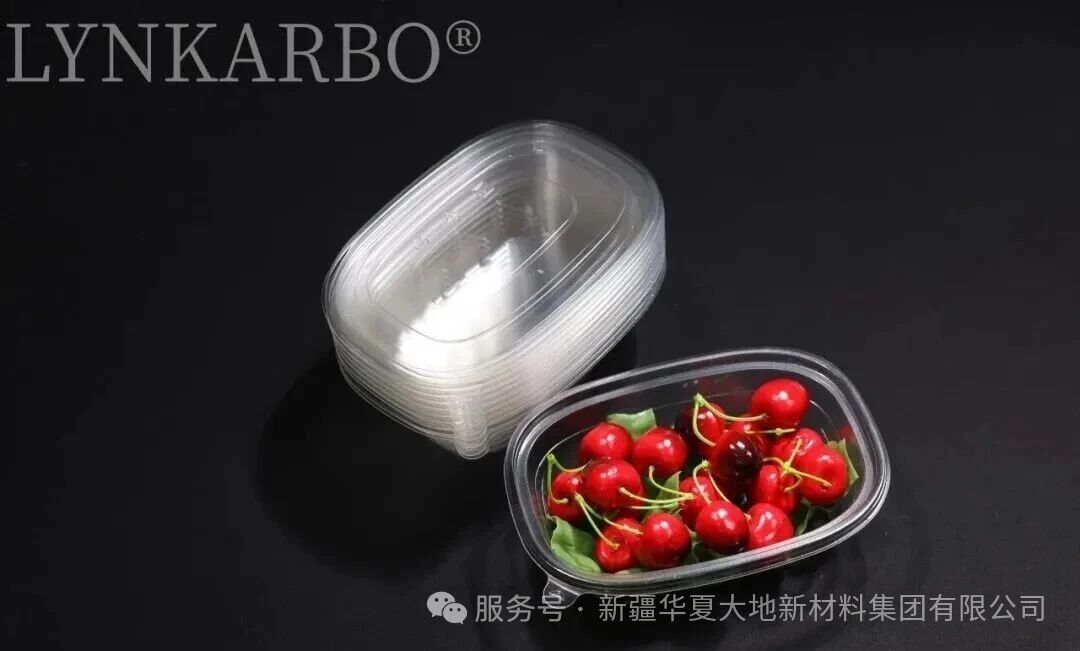
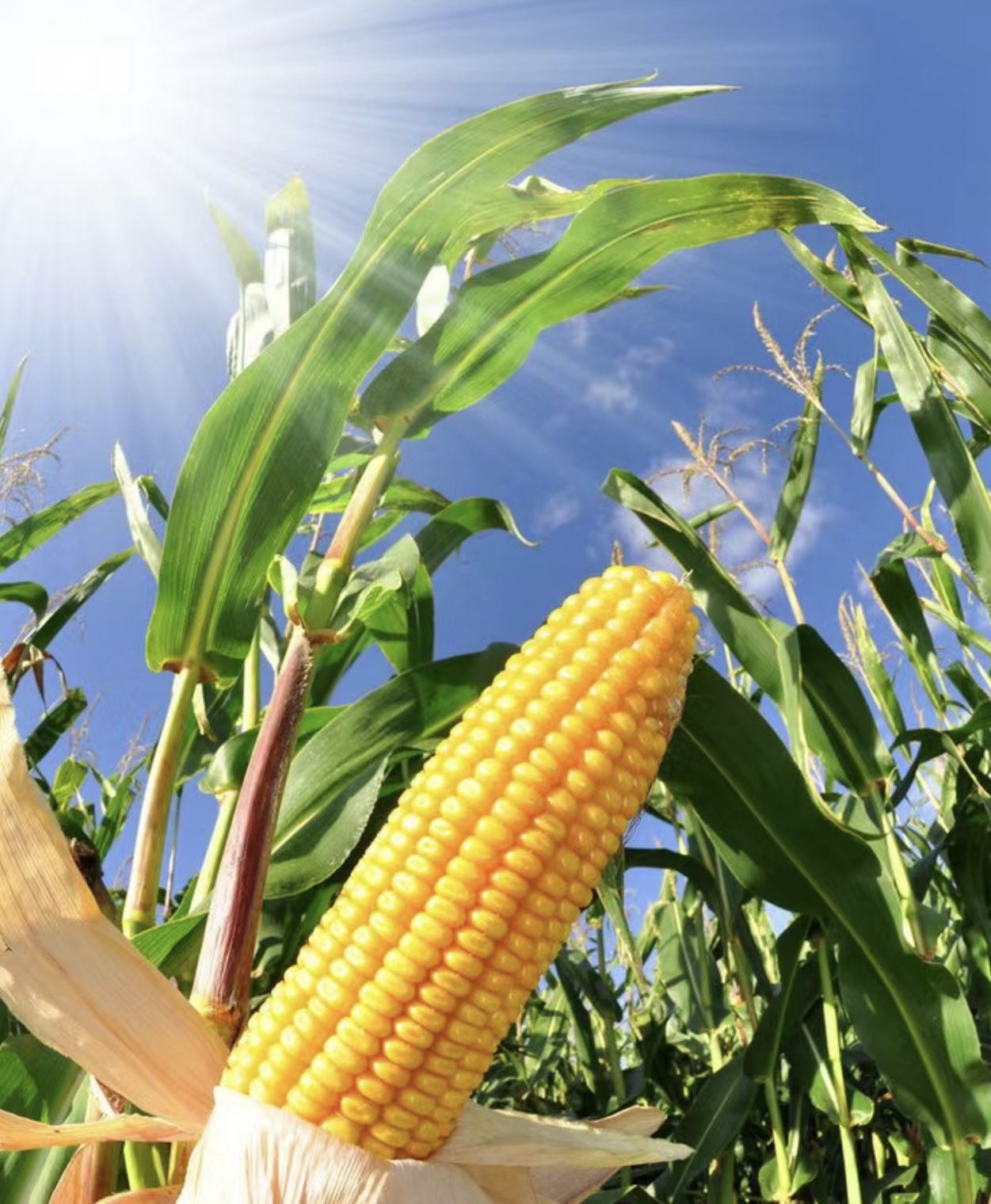
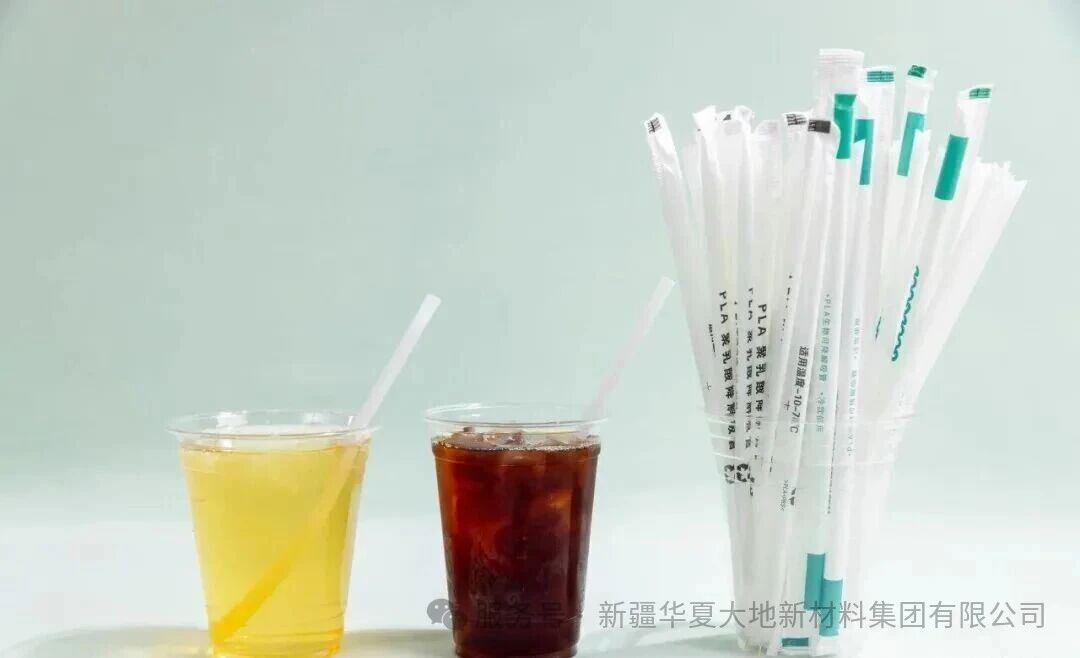
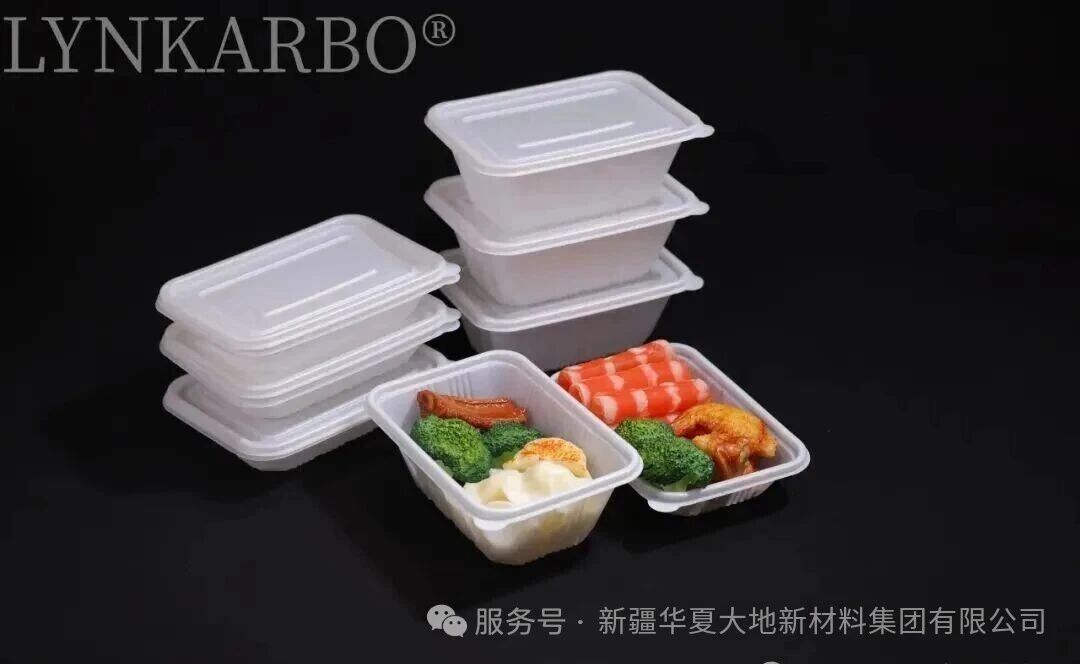
PLA is produced by fermenting and polymerizing corn starch. It is currently the most widely produced and cost-effective fully biodegradable plastic, accounting for over 60% of the global market share. Its raw materials are renewable, highly transparent, and have good strength. Its processing performance is similar to that of traditional plastics, making it suitable for frequent applications such as takeout food boxes, straws, and courier packaging.
In 2026, the PLA industry will witness two significant advantages: On January 9th, the relevant departments jointly issued a document, mandating the substitution of disposable plastics in sectors such as catering and express delivery; On July 1st, the new version of the national standard was implemented, standardizing the degradation standards and labels. Leading domestic enterprises continue to expand production capacity. It is estimated that China's PLA production capacity will reach 8 million tons in 2026, with the cost dropping by 40% compared to 2020, gradually approaching the cost-effectiveness of traditional plastics.
(2) PHA: Full Environmental Degradation
PHA is a natural polymer material synthesized by microorganisms. Its core advantages are complete environmental degradability and comprehensive performance. It can rapidly decompose in any environment such as seawater and soil. In seawater, it can be completely decomposed within 3 to 6 months, completely eliminating the pollution of marine microplastics.
From 2025 to 2026, China made significant breakthroughs in the field of PHA: Shanghai Blue Crystal Microorganisms achieved a global record of 300 grams per liter in single-tank production, solving the problem of production cost; Sichuan University developed high-performance PHA with toughness comparable to high-density polyethylene, which can be recycled in a closed loop.
Currently, PHA has entered the industrialization stage. Jin Guang Group's PHA water-based coating has completed industrial-level verification. Enterprises such as Zhongke Kaolan have also planned to build a thousand-ton production capacity, which is applied in fields such as marine fishing gear and medical consumables. However, the PHA production capacity is small and the cost is relatively high (about twice that of PLA), and large-scale substitution still requires time.
(3) Comparison between the two
Comparison dimension PLA PHA
Source of raw materials Starches from plants such as corn and sugar cane Microbial fermentation (utilizing organic waste)
Degradation conditions Requires high-temperature composting (above 58℃) Seawater, soil and normal temperature can all be degraded.
Core performance High transparency, good strength, average toughness High toughness, excellent heat resistance, and excellent biocompatibility
Cost level Low (mass production scale) High (Capacity to be Expanded)
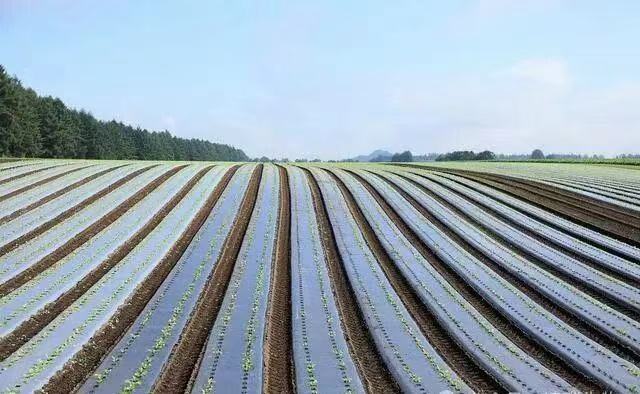
Main applications Takeout food boxes, straws, shopping bags, and courier packaging Marine fishing gear, medical supplies, high-end packaging, agricultural plastic film
Dual-wheel drive: Industry accelerates development
In 2026, the entire biodegradable plastic industry will enter a golden period characterized by "strong policy-driven momentum, rapid technological iteration, and a massive market explosion". The dual benefits from both domestic and international sources will drive the industry to upgrade.
Domestic policies have formed a closed loop: The "Ecological Environment Code" incorporates plastic pollution control into the legal framework; 9 departments issued documents to mandate alternatives in four major areas, along with corresponding incentive measures; The new national standard regulates product quality and purifies the market.
At the international level, the EU's one-time plastic ban has taken effect, and countries like South Korea and the United States have also introduced plastic restriction policies. Global demand has soared, and it is estimated that China's export of biodegradable granules will exceed 800,000 tons in 2026.
The technological innovation focuses on three main directions: diversified utilization of raw materials, utilizing agricultural and forestry waste to reduce costs; process optimization to enhance the performance of PLA and PHA; and blending the two to produce composite materials, expanding application scenarios.
In 2026, the market size of fully biodegradable plastics in China is expected to reach 30 billion yuan, with a compound annual growth rate of over 40%. Leading enterprises are accelerating their production expansion, and the total production capacity is expected to reach 1.2 million tons, achieving large-scale supply.
Challenges and Prospects
The industrial development still faces four major challenges: high costs; the price of PLA is 30%-50% higher than that of ordinary plastics, and the cost of PHA is even higher; the standard system is not complete; the recycling system is not sound, and mixed recycling affects the degradation effect; insufficient consumer awareness, and there are usage misunderstandings.
Looking ahead, the industry will exhibit three major trends: technological breakthroughs will drive cost reduction and performance improvement; application scenarios will expand from one-time packaging to multiple fields, and PHA will become the core material for marine environmental protection; the entire industry will collaborate and develop together to build a closed-loop system, thereby enhancing competitiveness.
The management of plastic pollution is a long-term battle. Biodegradable plastics carry the mission of ecological protection and sustainable development. In the future, with the strengthening of policies, technological innovation, and market maturity, they will completely replace traditional plastics, ending the "white enclosure" and safeguarding a clean and beautiful Earth home.