
As the world's first comprehensive code in the field of ecological and environmental protection, the "Ecological and Environmental Code of the People's Republic of China" will officially take effect on August 15, 2026—just 43 days away from implementation. With policy benefits fully unfolding, China's plastic industry has moved beyond its previously lenient development model, making compliance a fundamental requirement. A combination of new regulations—including stricter controls across all product categories, improved standards for biodegradable materials, and mandatory adoption of recycled materials—has accelerated the shift toward compliance. Biodegradable materials centered on PLA (polylactic acid), with their core advantages of being entirely natural, fully degradable, and safe, are rapidly replacing traditional petroleum-based plastics and becoming the mainstream choice for compliant operations. Companies that have proactively invested in PLA production capacity and technology will leverage these regulatory advantages to enter a period of rapid growth.

Industry regulation has been comprehensively upgraded, reshaping the rules for plastic industry development.
Previously, plastic industry regulations focused solely on plastic bags. With the implementation of the new rules, oversight now comprehensively covers all single-use plastic products, including frequently used items such as disposable tableware, straws, takeout packaging, and courier packaging, ensuring full-category and end-to-end regulation. The market space for conventional plastic products continues to shrink, while demand for eco-friendly alternatives steadily expands.
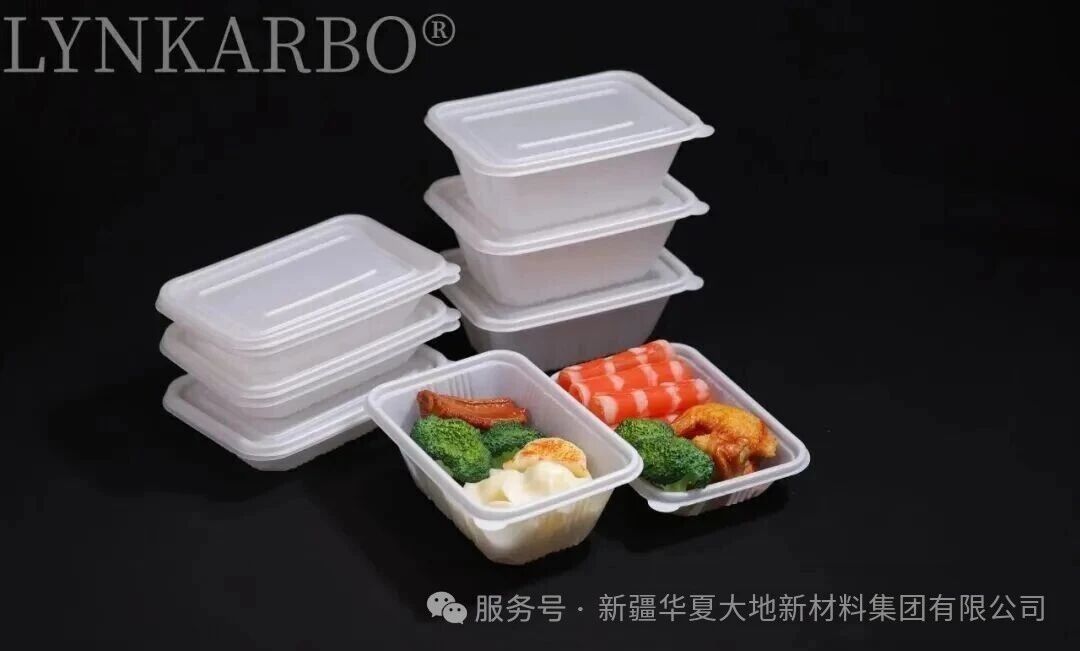
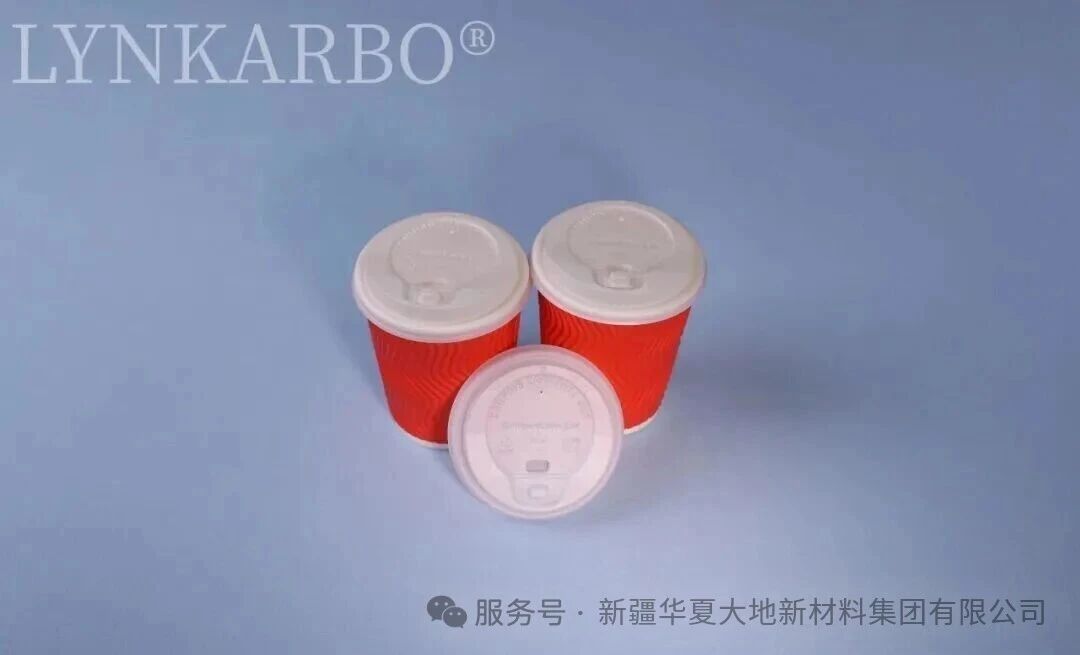
In response to the frequent market chaos in the biodegradable materials sector, the new regulations have introduced strict mandatory criteria for "harmlessness," thoroughly cracking down on counterfeit biodegradable products and imposing dual requirements for material safety and environmental friendliness. PLA (polylactic acid), derived from renewable plant starches such as corn and sugarcane, is currently the most mature and compliant bio-based biodegradable material. It does not rely on petroleum resources and can fully decompose into carbon dioxide and water under industrial composting conditions, leaving no heavy metal residues or secondary pollution—fully meeting the core entry standards of being both environmentally friendly and harmless. Additionally, PLA offers excellent food-contact safety, rigidity, and moldability, and can be modified to meet diverse application needs including heat resistance, cold resistance, and tensile strength. It is widely used in mainstream applications such as disposable food containers, bubble tea straws, food trays, takeout packaging, and courier cushioning materials. Under the stringent new regulations, numerous adulterated and non-completely degradable counterfeit biodegradable materials are rapidly exiting the market, further enhancing PLA's compliance advantages and market penetration.
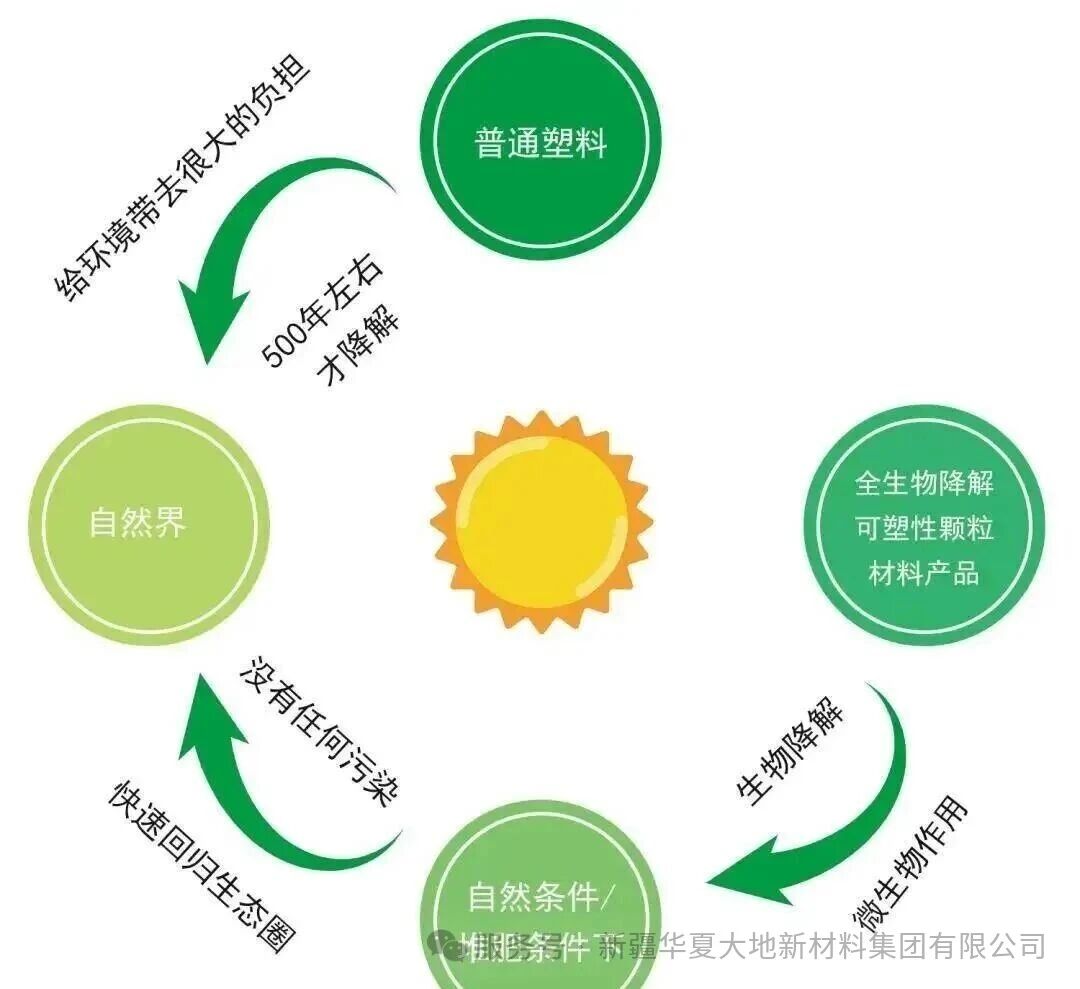
Meanwhile, the new regulations integrate product responsibility throughout the entire lifecycle—from production and use to recycling—requiring plastic manufacturers to establish comprehensive systems for collecting used products and achieving a closed-loop development model of production, sales, and recycling. This requirement is driving the industry away from extensive, inefficient production methods and compelling companies to enter the circular economy sector. Unlike traditional plastics, which are difficult to degrade and have low recycling rates, waste PLA products and production scraps can be reprocessed and reused through specialized sorting and regenerative modification technologies, effectively reducing raw material consumption and production costs. Enterprises with integrated capabilities in PLA collection, recycling, and modification have successfully established a closed-loop supply chain for biodegradable materials, building a core competitive advantage that others find hard to replicate.
To ensure effective implementation of the policy, the new regulations significantly increase penalties for violations through a tiered and targeted enforcement approach. Enterprises violating rules on the production side will face product confiscation, substantial fines, and seizure of illegal gains, with severe cases resulting in direct revocation of production licenses. For enterprises and individual operators on the usage side, corresponding stepped fines will also be imposed. These strict penalty measures effectively eliminate侥幸心理 (侥幸心理 refers to the侥幸 mentality or hope for leniency) within the industry, accelerating compliance transformation across the entire sector.
Notably, the code is the first to legally mandate the use of recycled materials in key products, marking a shift from policy guidance to statutory necessity for recycled materials. This has fully activated the plastic recycling market and driven the industry toward deeper green and circular transformation.
Policy momentum highlights the opportunity, with three types of high-quality enterprises reaping industry benefits
As demand for compliant alternatives surges, companies with high-quality biodegradable material production capacity have become the biggest beneficiaries of this policy upgrade. Against the backdrop of significantly raised industry standards, PLA materials—suitable for multiple applications, consistently compliant, and safe and harmless—have completely replaced inferior pseudo-biodegradable materials and traditional plastics, becoming the dominant choice in the market. Currently, China's PLA consumption market continues to expand, with food packaging and logistics consumables as core essential application areas. Chain tea beverage, restaurant, and e-commerce delivery companies have already begun replacing all product categories with PLA alternatives. Enterprises equipped with mature PLA polymerization, compounding, modification, and mass production technologies can customize heat-resistant, low-temperature-resistant, and highly tough PLA products tailored to different scenarios, enabling them to quickly fulfill large volumes of downstream replacement orders. During this critical industry transformation period, they can rapidly capture market share and reap the benefits of sector growth.

Related enterprises in the field of recycled materials have also seized development opportunities. The mandatory legal requirements for the use of recycled materials have led to a continuous increase in the market demand for plastic recycled raw materials. Industry pioneers such as Limi New Materials have taken the lead in entering the recycled materials sector, deeply exploring traditional plastic sorting and purification, as well as recycled modification technologies. At the same time, they have pioneered the exclusive recycling and regeneration path for waste PLA materials, solving the industry pain points of difficult recycling and high reutilization costs of PLA products. This not only enables the circular reuse of traditional petroleum plastics but also completes the closed-loop regeneration of PLA biodegradable materials. The enterprises have balanced their dual-track recycling business and relied on mature technologies and resource advantages to secure a leading position in the industry, continuously benefiting from the policy dividends of the circular economy.
Furthermore, the industrial platform specializing in industrial transformation services has opened up a vast market. A large number of traditional plastic enterprises lack experience in compliant transformation and encounter numerous challenges in areas such as production line renovation, material substitution, qualification certification, and supply chain upgrading. Industrial platforms that can provide one-stop services such as technological empowerment, qualification processing, and supply chain integration can precisely match the transformation needs of traditional enterprises, becoming an important driving force for the green upgrade of the industry and continuously reaping industry supporting benefits.
The window period is fleeting, and compliance transformation determines the future landscape of the enterprise.
With only 43 days left in the policy buffer period, this is a crucial juncture for the transformation and upgrading of the plastic industry. Nowadays, compliance in the industry is no longer an optional matter; it has become the core prerequisite for the survival and development of enterprises. The clear prohibition and restriction requirements, as well as the standards for the proportion of recycled materials, are all unshakable legal rules. Those enterprises that fail to complete the compliance rectification in time and adhere to outdated production capacity will eventually be eliminated by the market.
The new regulations not only serve as guidelines for the development of the industry, but also represent a brand new starting point for the industrial iteration and upgrading. The "Environmental Law Code" forces the traditional plastic industry to eliminate outdated production capacity and abandon the extensive production model, promoting the entire industry to transform towards greening, compliance, and circularity. In the final golden window period, enterprises that invest in the research and production of PLA bio-based materials in advance, establish a closed-loop system for PLA recycling and regeneration, and complete the green upgrade of production lines will successfully seize the market gap after the exit of traditional plastics, secure long-term development advantages, and seize the certain growth opportunities in the industry's green transformation.