


Polylactic Acid (PLA) is a mainstream bio-based, biodegradable resin material. It is produced by fermenting corn or cassava starch to extract lactic acid, which is then polymerized. As a renewable and eco-friendly material, PLA is the most widely adopted biodegradable plastic substrate available on the market.
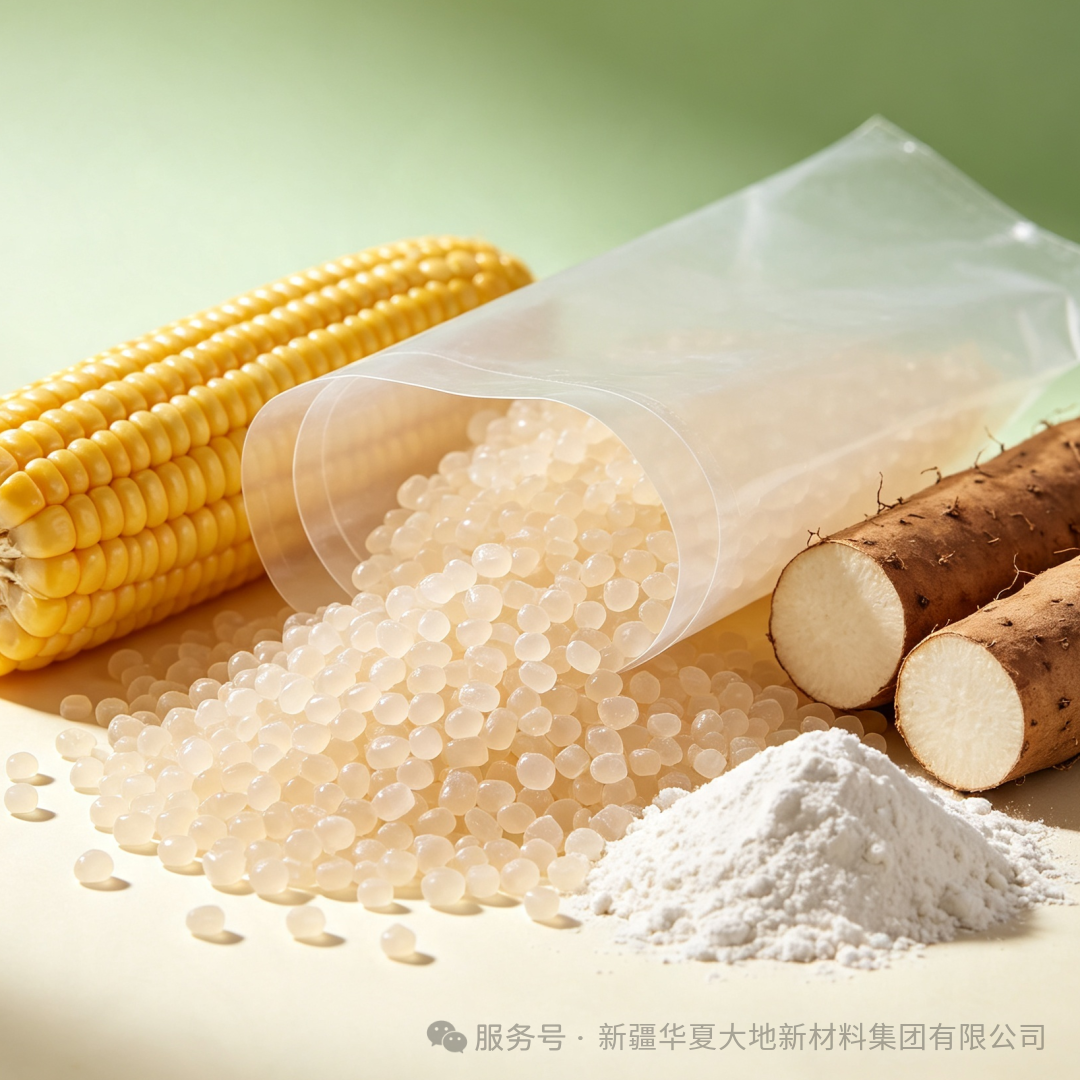 The raw material has high rigidity, excellent gloss and transparency, is non-toxic, odorless, and highly biocompatible, meeting food, medical, and environmental standards. After use, it can naturally degrade in soil and seawater, ultimately breaking down into carbon dioxide and water, leaving no white pollution. It exhibits good processability, suitable for injection molding, blow molding, and extrusion, making it ideal for various daily-use products. Virgin PLA has poor toughness and low heat resistance; in industry, it is commonly modified to improve thermal stability and impact resistance.
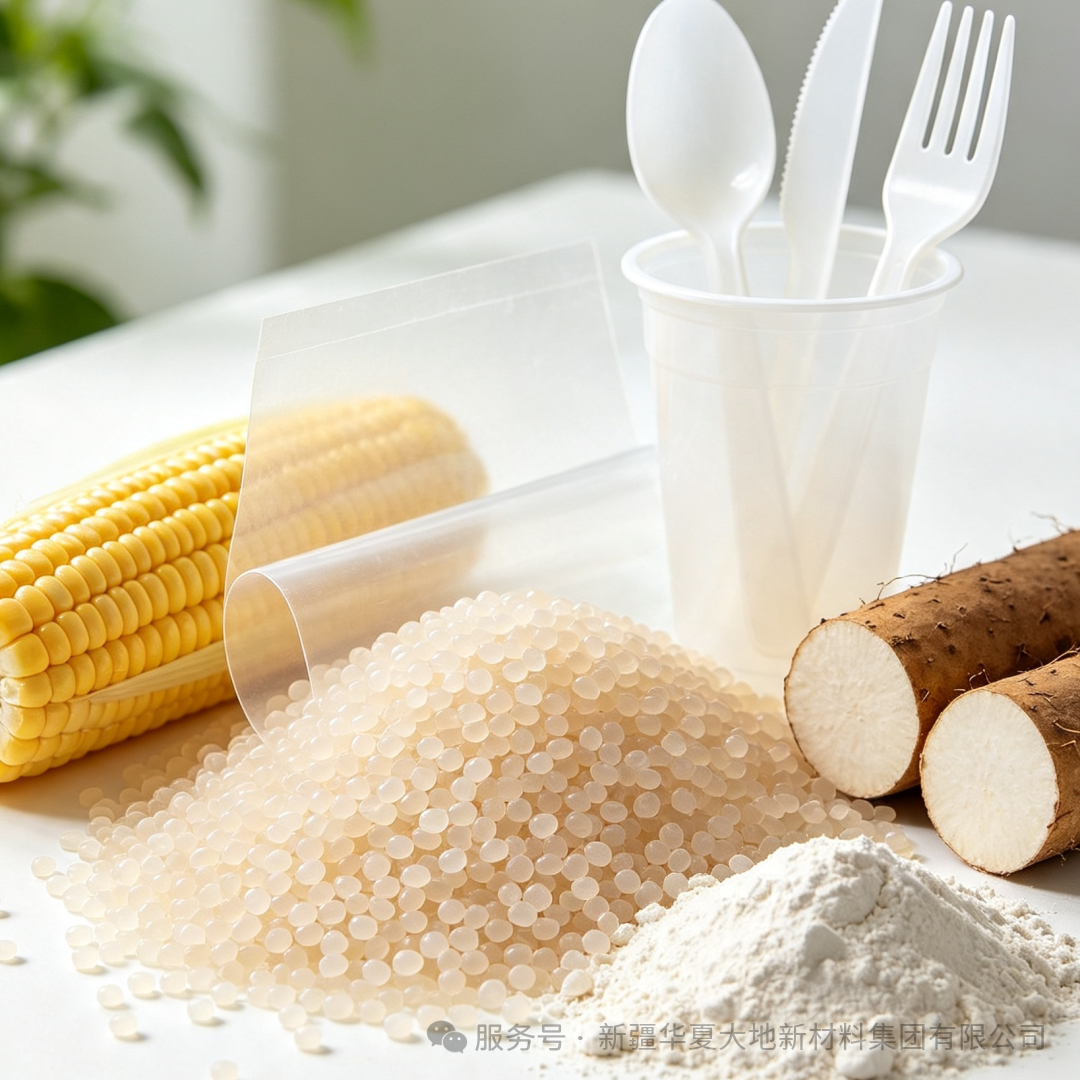 Widely used in disposable tableware, packaging, medical consumables, and biodegradable plastic products.