
The future industries that were strategically prioritized during the "14th-15th Five-Year Plan" period are quietly transforming our lives.
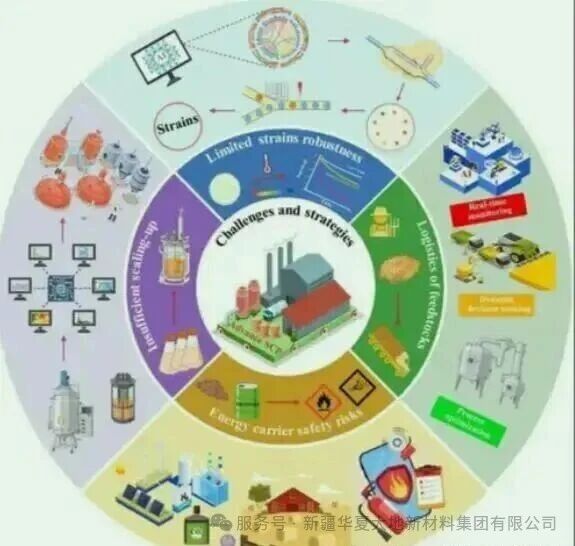
Have you ever imagined such a future?
Industrial waste gases have been transformed into degradable plastics, corn stalks have been woven into T-shirts for our clothes, discarded oils have powered aircraft to fly into the sky, and life-saving drugs like insulin and growth hormones have come from the "hard work" of microorganisms...
This is not a science fiction story; it is a reality that is unfolding right now. In the "14-15" planning proposal, biological manufacturing has been clearly identified as one of the six future industries that our country will cultivate and develop. It is listed alongside cutting-edge fields such as quantum technology and brain-computer interfaces, and serves as an important engine driving the development of new quality productive forces.
So, what exactly is biomanufacturing? And how will it change our lives?
What is biomanufacturing?
In simple terms, biomanufacturing is "having cells work for us".
It utilizes living organisms such as microorganisms, enzymes or cells as "miniature factories", converting renewable raw materials (such as straw, carbon dioxide, industrial waste gas) into various products we need under mild conditions.
Compared with traditional manufacturing that relies on oil and has high energy consumption, bio-manufacturing, which "creates from life", has significant advantages such as the availability of renewable raw materials and a green, low-carbon process.
Do you know? Scientists have achieved "artificial synthesis of starch from carbon dioxide", converting industrial waste gases into feed proteins, turning discarded oils into aviation fuels, and transforming straw into clothing fabrics - all of these are remarkable achievements in bio-manufacturing.
Health sector: More effective drugs and safer materials
Biomanufacturing is completely transforming the landscape of healthcare.
Cheaper life-saving medicine
Through cell factories, we can produce large quantities of protein drugs such as insulin, growth hormone, and interferon. Compared to the traditional extraction from animal tissues, bio-manufacturing has significantly reduced the cost of these life-saving drugs, making them more affordable and accessible to a wider range of patients.
Precise cancer treatment
In the field of cancer treatment, CAR-T cell therapy uses modified immune cells to precisely eliminate cancer cells, bringing new hope to patients with leukemia and lymphoma. This "living drug" is precisely the cutting-edge application of biomanufacturing in the medical field.
Absorbable medical materials
Biological manufacturing can also produce new medical materials. For instance, PHA (polyhydroxyalkanoate) can be used to make biodegradable surgical sutures, tissue engineering scaffolds, artificial blood vessels, etc. Once implanted in the body, it can be absorbed by the human body, avoiding the pain of having to undergo a second surgery to remove it.
Food sector: Healthier dietary choices
In the face of reliance on soy imports and pressure on food security, biotechnology has opened up "non-cultivated land-dependent" protein sources.
Alternative proteins: Reducing "protein anxiety"
The alternative proteins produced through microbial fermentation can be used to make plant-based meat and functional foods. These products not only have a high protein content, but also do not require the occupation of arable land or the consumption of large amounts of water during production.
Natural sugar substitutes: Meeting the demand for low sugar
The synthetic sugar substitutes such as stevioside and erythritol, which are derived from natural sources, have zero calories and do not raise blood sugar levels. These advantages have made them the new favorites in healthy diets.
The Imagination of Future Tables
In the future, the proteins, fats and starches on our dining tables may all come from "cell factories". The whey protein in a bottle of yogurt might be derived from the fermentation of yeast; the myoglobin in a piece of plant-based steak might be produced by genetically modified fungi.
Environmental Field: Solving Plastic Pollution and Contributing to "Carbon Neutrality"
Biological manufacturing is a green solution to environmental problems.
Say goodbye to white pollution
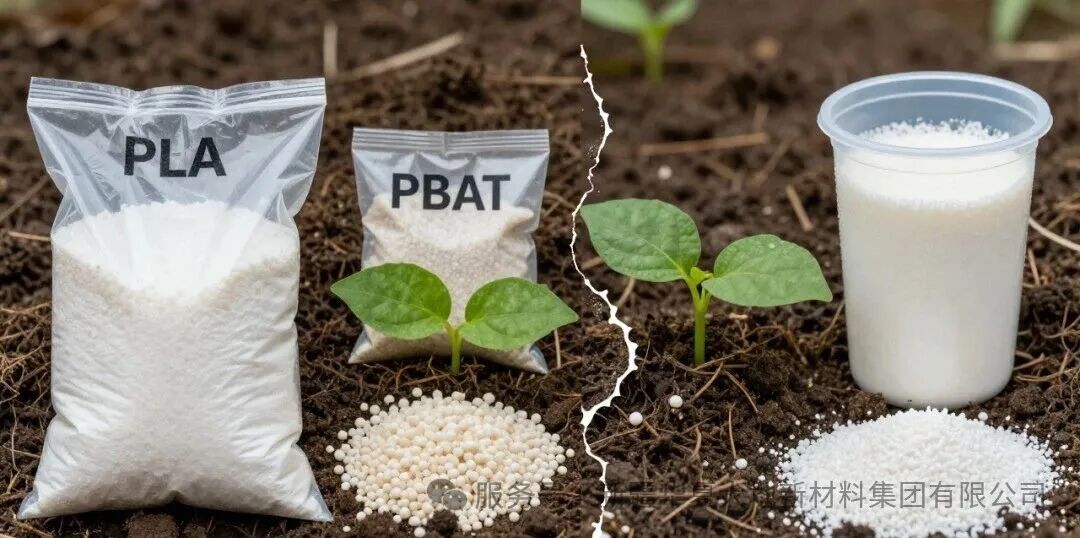
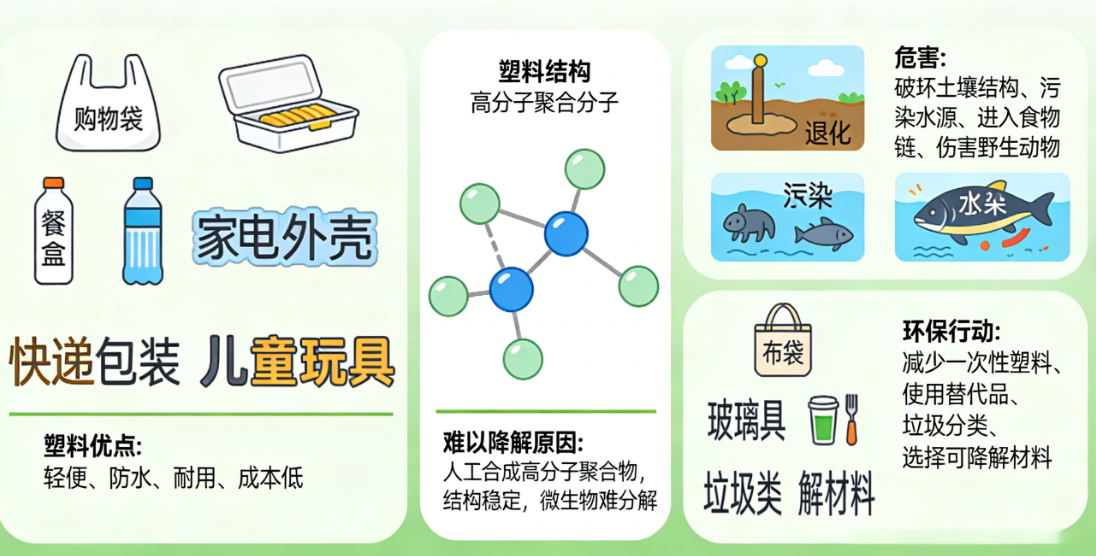
The biobased materials such as polylactic acid (PLA) and polyhydroxyalkanoates (PHA) produced through biomanufacturing can completely degrade in the natural environment, thus solving the problem of plastic pollution at its source. Many of the biodegradable straws, disposable tableware, and packaging materials you use come from biomanufacturing.
Helping to achieve carbon peak and carbon neutrality
Compared with traditional fossil-based routes, bio-manufactured products can achieve an average energy and resource savings of 30% - 50%, and in the future, this figure could reach 50% - 70%. Technologies such as producing ethanol from industrial waste gas and synthesizing starch from carbon dioxide are transforming "waste gases" into "resources", providing solutions for the "dual carbon" goals.
In the realm of life: Greener everyday consumer goods
Biological manufacturing is quietly permeating our daily lives.
The "advanced technology" in skin care products
From recombinant collagen to hyaluronic acid, an increasing number of cosmetic ingredients are derived from biological fermentation rather than animal extraction. These ingredients are of high purity and have good batch stability, making skin care products safer and more effective.
Wearing Clothing for Environmental Protection
Textiles made from biobased fibers are not only comfortable to wear, but also have a more environmentally friendly production process. The polylactic acid fibers made from corn have natural antibacterial and flame-retardant properties; alginate fibers can be used to make medical dressings.
The green upgrade of daily necessities
From biodegradable tableware and packaging materials, to bio-based inks and coatings, and even to eco-friendly detergents, biomanufacturing is making our daily products greener and more sustainable.
The future has arrived, but it is not yet widespread.
Biological manufacturing is not a distant concept; it is an ongoing transformation. It reshapes key sectors of the national economy, such as medicine, materials, energy, and agriculture, in a green and sustainable manner.
As a key area of focus for the "15-19" period, the future industry of biomanufacturing will bring the following benefits to our lives:
✅ Healthier food - alternative proteins, functional foods, natural sweeteners
✅ Safer healthcare - affordable medications, precise therapies, absorbable materials
✅ Cleaner environment - degradable plastics, carbon reduction, resource recycling
✅ Greener lifestyle - eco-friendly daily necessities, biodegradable textiles, green packaging
Let the cells work for us, and let technology add color to our lives. The era of biological manufacturing is accelerating its arrival.