
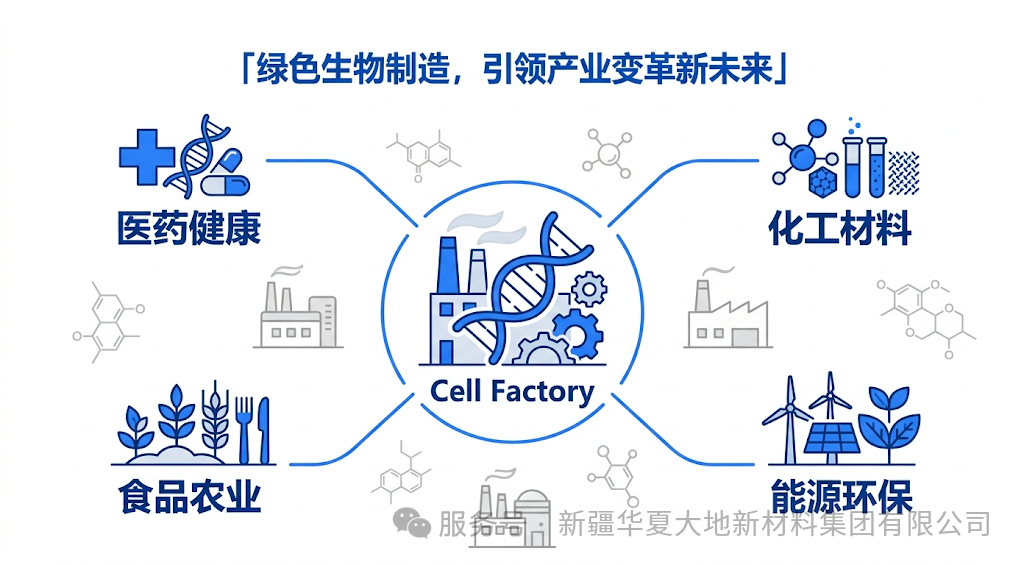
Synthetic biology is the frontier and core science of the bioeconomy, creating or optimizing biological systems through targeted design, modification, and even re-synthesis of organisms. Biomanufacturing, on the other hand, involves engineering and industrializing the achievements of synthetic biology to build highly efficient "cell factories," enabling large-scale production of pharmaceuticals, materials, and energy. Together, these two fields are widely regarded by the industry as the core engines of the "Third Biotechnology Revolution." By purposefully designing, modifying, and even re-synthesizing biological systems, synthetic biology and biomanufacturing create efficient "cell factories" that enable green, high-efficiency, and low-cost production of drugs, materials, energy, and food. During the 15th Five-Year Plan period, the biomanufacturing industry has officially entered a critical window for transitioning from "laboratory breakthroughs" to "large-scale industrial implementation," positioning itself as a key driver for China's green industrial transformation and the development of new forms of productive capacity.
I. Global Landscape: The Global Competition Dynamics of Synthetic Biology and Biomanufacturing in the 15-17 Period
Global Technological Revolution: Breakthroughs in fundamental technologies push industries towards the eve of an explosion
The underlying technologies of synthetic biology are undergoing exponential iterations, laying a solid foundation for the industrial explosion. The toolbox of gene editing tools is constantly expanding and enriching: starting with CRISPR-Cas9, to base editing that can achieve precise single-base conversion, leading-edge editing that does not require double-strand breaks, and epigenetic editing technologies that can regulate gene expression without altering the sequence, all achieving precise, efficient, and safe editing of the genome; the cost of DNA synthesis has dropped significantly in ten years, and by 2025, the price of gene synthesis on some commercial platforms has dropped to the level of cents per base. This provides the possibility for large-scale gene synthesis. The deep integration of AI technology with synthetic biology enables the BioCAD (biological computer-aided design) platform to achieve the automated design, simulation, and optimization of strains, significantly shortening the research and development cycle. The popularization of high-throughput automated biological foundries (BioFoundry) has increased experimental efficiency by hundreds of times, enabling the automated operation of the "design-build-test-learn" (DBTL) cycle.
These technological breakthroughs are profoundly transforming the research paradigm of biomanufacturing, accelerating its transition from the traditional model heavily reliant on "trial-and-error screening" to an engineering model driven by "rational design", significantly reducing research costs and risks, and promoting synthetic biology from academic research to industrial application.
2. Global Industrial Layout: Strategic Planning of Major Economies, Deep Involvement by Multinational Giants
Major economies around the world have all launched national strategies, regarding synthetic biology and biomanufacturing as the core areas for future industrial competition. In 2022, the United States released the "National Biotechnology and Biomanufacturing Plan", investing over 2 billion US dollars to support the research and development and industrialization of biomanufacturing technologies; the European Union released the "Bioeconomy Strategy 2030", proposing that by 2030, the proportion of bio-based products in the EU market should reach 25%; Japan, South Korea, Singapore and other countries have also successively introduced special policies to increase support for synthetic biology.
Multinational pharmaceutical companies, chemical giants, and technology enterprises have all deeply entered the field, laying out their strategies through independent research and development, mergers and acquisitions, strategic cooperation, etc. Merck, BASF, DSM, and other traditional chemical giants regard bio-manufacturing as the core strategy for future development and have invested heavily in building bio-manufacturing factories; Pfizer, Novartis, and other multinational pharmaceutical companies use synthetic biology technology to develop new drugs and raw materials; Google, Microsoft, and other technology enterprises empower synthetic biology research through AI technology, promoting industrial upgrading.
3. Global Trend: Green and low-carbon have become the core driving force, and the substitution of biological manufacturing is inevitable.
Global climate change and the goal of carbon neutrality are driving fundamental changes in industrial development models, with green and low-carbon becoming a global consensus. The traditional chemical production process is characterized by high energy consumption, high pollution and high emissions. In contrast, biomanufacturing uses renewable biomass as raw materials and produces products through microbial fermentation. Compared to the traditional petrochemical route, it can achieve an average energy and emission reduction of 30% to 50%, making it a key technical path for achieving the goal of carbon neutrality.
The official implementation of the EU's Carbon Border Adjustment Mechanism (CBAM) has further increased the cost pressure on traditional high-carbon products, driving the global industry towards a green and low-carbon transformation. McKinsey predicts that 60% of the material products in future global economic activities can be produced by biotechnology. From 2030 to 2040, global direct economic impacts from materials, chemicals, and energy products produced through bioprocessing will amount to approximately $2 trillion to $4 trillion annually. The substitution of traditional chemical production with biomanufacturing has become an irreversible global industrial upgrading direction.
II. Policy Guidance: Special Policy Direction for the Bio-manufacturing Field in the 15th Five-Year Plan
During the "14th-15th Five-Year Plan" period, the country elevated biomanufacturing to a core national strategy, establishing a complete policy system covering "top-level design guidance, technological breakthroughs, industrial support implementation, and safety supervision guarantee".
National Strategy: Designating biomanufacturing as the core pillar of future industries
In the "15th Five-Year Plan", biomanufacturing was explicitly listed as one of the six core directions for the country's forward-looking strategic layout of future industries. Together with quantum technology, hydrogen energy, and nuclear fusion energy, it constitutes the strategic pillars for the development of new quality productive forces. In December 2025, the Ministry of Industry and Information Technology clearly stated that it would compile and release the "15th Five-Year Plan for Biomanufacturing", serving as a guiding document for the development of the biomanufacturing industry during the "15th Five-Year" period. The plan will clearly define key products and typical applications of artificial intelligence, cultivate biomanufacturing pilot production platforms, carry out work such as competitive bidding for high-performance bioreactors, and promote the "stringing together and strengthening links" of the biomanufacturing industry, building a complete industrial ecosystem.
2. Technological breakthrough: Concentrate efforts to overcome the core technical bottlenecks
The country will launch a key technology research and development project for bio-manufacturing, focusing on the core technologies, key equipment, and essential raw materials in the critical areas where there are bottlenecks in synthetic biology, and concentrating efforts on conducting technological research and development.
Underlying technology research and development: Support the research and development of self-controlled gene editing tools, DNA synthesis technology, and AI-assisted biological design technology, and break through core technologies such as high-performance enzyme preparations, chassis cell design and construction. Core equipment research and development: Carry out the research and development and industrialization of key equipment such as high-performance bioreactors, high-throughput automated experimental platforms, and online analysis and detection equipment, breaking the foreign monopoly. Key raw material research and development: Support the research and production of upstream key raw materials such as bio-based raw materials, culture media, and chromatography packing materials, and build an independently controllable industrial chain and supply chain system.
3. Industrial Support: Provide comprehensive support for the implementation of industrialization and the adoption of green alternatives
The country will introduce a series of special support policies to facilitate the industrialization of biomanufacturing technology and promote its green alternative applications. Support for pilot plant construction: Accelerate the establishment of a number of service-oriented and shareable biomanufacturing pilot plants with strong capabilities, addressing the "death valley" problem that exists in transitioning from laboratory technology to industrialization; provide a maximum 30% subsidy for fixed asset investment for the construction of pilot plants. Green alternative pilot demonstration: Implement the bio-based material substitution initiative, and conduct pilot applications of bio-based products in fields such as packaging, textiles, and building materials; offer tax incentives and subsidies to enterprises that use bio-based products. Financial and tax support: Encourage financial institutions to develop financial products suitable for the characteristics of the biomanufacturing industry, providing services such as medium- and long-term loans and intellectual property pledge loans; in terms of tax support, biomanufacturing enterprises can enjoy preferential policies such as the additional deduction of research and development expenses (currently, general enterprises enjoy 100% deduction) and the reduced corporate income tax rate for high-tech enterprises at 15%. Cluster cultivation: Support the construction of world-class biomanufacturing clusters in regions such as the Yangtze River Delta, the Pearl River Delta, and the Beijing-Tianjin-Hebei region, improving industrial supporting facilities and enhancing the clustering effect.
4. Biosafety: Establishing a scientifically sound regulatory framework
The country will adhere to the principle of "equal emphasis on safety and development", and establish a scientific, standardized, efficient and orderly regulatory system for biological manufacturing, guiding the industry towards healthy development. Improve the legal framework: Implement the "Biosecurity Law", issue regulatory guidelines for synthetic biology, and clarify the management requirements for the research, production, use and environmental release of gene-edited organisms and synthetic biological products. Establish a hierarchical and classified regulatory system: Based on the risk levels of biological security, implement hierarchical and classified regulation for synthetic biological products. Simplify the approval process for low-risk products and implement strict supervision for high-risk products. Explore new regulatory models: Conduct pilot programs for regulatory sandbox in regions such as Shanghai, Shenzhen and Tianjin, and explore new regulatory methods such as "sandbox regulation" and trigger-based regulation to reserve space for industrial innovation and development. Strengthen the construction of biological security capabilities: Build a national biosecurity risk monitoring and early warning system, and enhance the ability to prevent and respond to biological security risks.
III. Trends and New Business Models: Core Development Directions of Synthetic Biology and Biomanufacturing in the 15th-17th Years
During the "14th-15th Five-Year Plan" period, the biomanufacturing and synthetic biology industries in China will focus on four core directions to achieve technological breakthroughs and industrial upgrading, and become a new growth pole driving the high-quality development of China's economy.
Deep application in the medical field: Reconstructing the model of drug research and production
Synthetic biology is comprehensively reconfiguring the research and production models of the pharmaceutical industry, significantly reducing the cost of drug production and enhancing production efficiency, bringing revolutionary changes to the pharmaceutical industry.
Green production of active pharmaceutical ingredients and intermediates: Synthetic biology technology is replacing traditional chemical synthesis methods to produce active pharmaceutical ingredients and intermediates such as antibiotics, vitamins, amino acids, and peptides. For instance, using engineered yeast to produce the active pharmaceutical ingredient simergulide, the cost is reduced by more than 50% compared to traditional chemical synthesis, and the production cycle is shortened by 60%; the biological manufacturing technologies for penicillin and cephalosporin antibiotics have been applied on a large scale, with significant reductions in energy consumption and emissions.
Research and production of new biological drugs: Synthetic biology technology provides strong support for the research and production of new biological drugs such as mRNA vaccines, ADC drugs, cell and gene therapies. By using synthetic biology technology, mRNA sequences can be quickly designed and optimized, enhancing the stability and immunogenicity of vaccines; by modifying chassis cells like CHO cells, the expression level of antibody drugs can be significantly increased, reducing production costs; using microorganisms to produce toxins and linkers for ADC drugs enables the safe and efficient production of high-activity substances.
Efficient Synthesis of Natural Products: Many natural products have significant medicinal value, but traditional extraction methods have low yields, high costs, and consume a large amount of resources. Synthetic biology technology, by constructing engineered cell factories, can achieve efficient synthesis of natural products such as artemisinin, paclitaxel, and ginsenosides. For instance, using yeast cells to produce artemisinic acid and then through chemical conversion to obtain artemisinin, the production cost of artemisinin has been reduced by over 90%, solving the problem of global shortage of artemisinin supply.
2. Upgrade of Green Biomanufacturing: Promoting the Green Transformation of Traditional Industries
Biological manufacturing technology is increasingly penetrating into various fields such as chemical engineering, materials, energy, and food, promoting the green and low-carbon transformation of traditional industries.
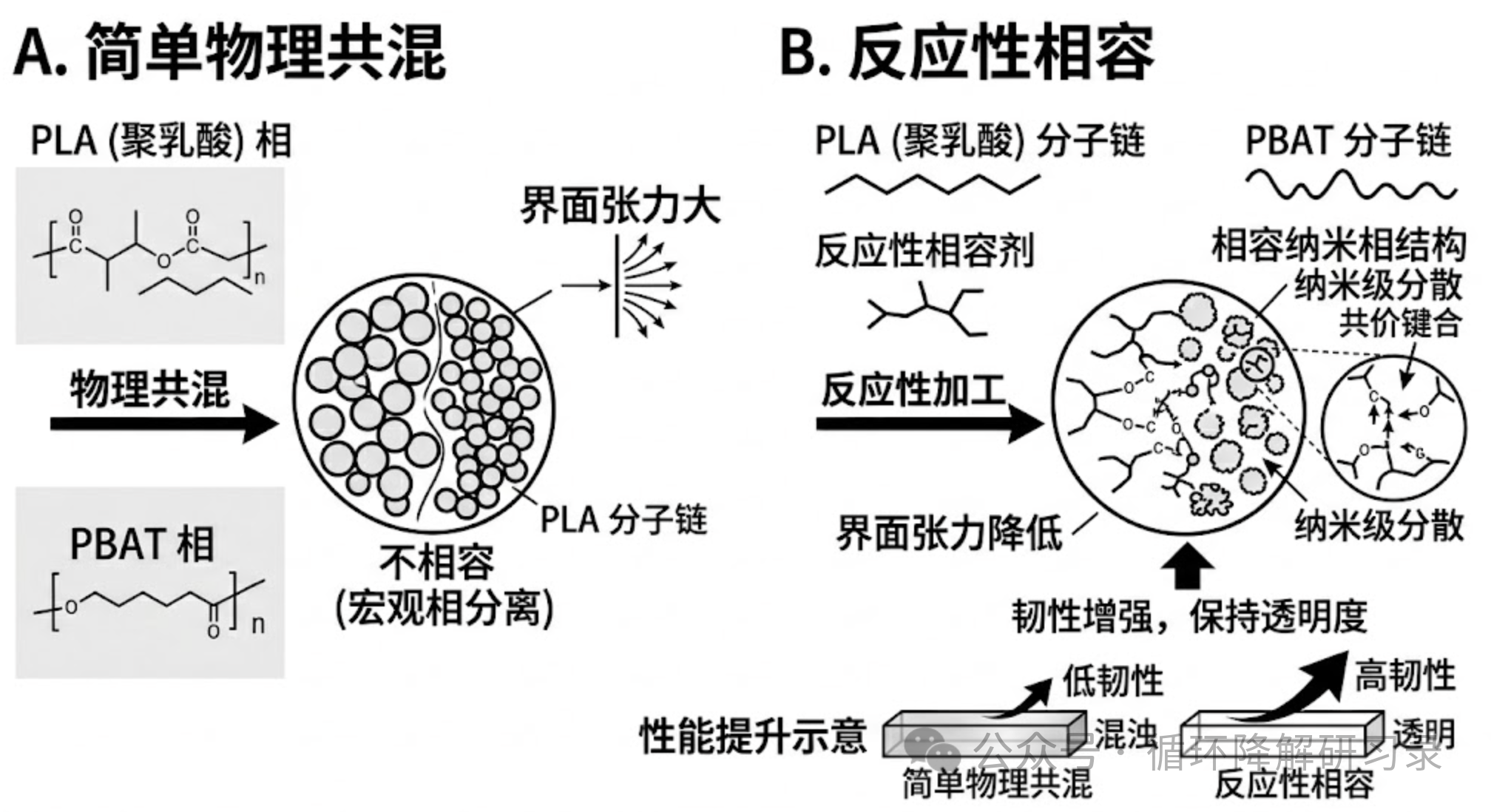
Biobased material substitution: Biobased materials such as biobased plastics, biobased fibers, and biobased rubbers are replacing traditional petroleum-based materials. PHA (Polyhydroxyalkanoates) is a fully biodegradable biobased plastic that can be used in packaging, disposable products, medical fields, etc., and its market demand is growing rapidly; PLA (Polylactic acid) and PBAT (Polybutylene adipate terephthalate) biodegradable plastics have achieved large-scale production and application; biobased fibers such as lyocell fibers and polylactic acid fibers are widely used in the textile industry.
Biobased chemical production: Utilizing biotechnology to produce major chemicals such as succinic acid, 1,3-propanediol, adipic acid, and ethylene glycol, replacing traditional petroleum-based chemicals. For instance, 1,3-propanediol is a key raw material for PTT fibers. The traditional chemical synthesis method is costly and highly polluting, while the production of 1,3-propanediol through biotechnology has reduced the cost by over 40%, and has achieved large-scale industrial production.
Food and Feed Additive Production: Synthetic biology technology is transforming the production methods of food and feed additives. The biological manufacturing technologies for natural sweeteners such as erythritol, steviol glycosides, and arabinan have been widely applied on a large scale; the production of feed additives like amino acids, vitamins, and probiotics using microorganisms has significantly increased production efficiency and reduced production costs.
3. Core technological breakthrough: Achieving autonomy and controllability as well as intelligent upgrades
During the "14th-15th Five-Year Plan" period, China will make significant breakthroughs in the underlying technologies of synthetic biology, establish an independent and controllable technological system, and promote the industry towards intelligentization and automation.
Self-controlled gene editing and synthesis technology: Break through the independent intellectual property rights of gene editing tools, such as base editors and primed editors, to break the foreign monopoly; achieve efficient and low-cost synthesis of long-chain DNA, build a large-scale gene synthesis platform; develop high-throughput gene assembly and editing technologies to improve the efficiency of strain construction.
AI-driven biological design platform: Develop a BioCAD platform with independent intellectual property rights, enabling the entire process from target discovery, pathway design, strain optimization to process development to be fully automated; Utilize machine learning and big data technologies to predict the behavior of biological systems, thereby increasing the success rate of strain design; Build a biological big data platform, integrating multi-omics data such as genomics, transcriptomics, and proteomics, to provide data support for biological design.
High-throughput automated experimental platform: Build an automated biological manufacturing plant (BioFoundry) to achieve fully automated operation of the "design-build-test-learn" cycle; Develop high-throughput screening, detection and analysis equipment to enhance experimental efficiency and data quality; Promote the standardization and modularization of the experimental platform to achieve resource sharing and collaborative innovation.
4. New industrialization model: A comprehensive transformation from technological research and development to product commercialization
During the "15-17" period, the synthetic biology industry will shift from "technology-driven" to "product-driven", giving rise to a series of new business forms and models.
Enterprises are transforming from platform-based to product-based models: In the early days, most synthetic biology enterprises focused on technology platforms and earned revenue by providing technical services. In the future, an increasing number of enterprises will shift to product-oriented models, independently developing and producing biological manufacturing products, and building their core competitiveness.
Integrated layout across the entire industry chain: Leading enterprises will extend their operations to the upstream, acquiring core technologies and raw materials; they will also expand to the downstream, establishing their own production and sales channels, forming an integrated layout of "research and development - production - sales" across the entire industry chain, thereby enhancing their profitability and risk-resistance capabilities.
The rise of CXO services in synthetic biology: With the widespread application of synthetic biology technology, professional CXO service enterprises in synthetic biology have emerged, providing customers with a one-stop service ranging from strain design, pilot-scale production to large-scale manufacturing, thereby reducing the R&D costs and risks for customers and accelerating the product launch process.

IV. Regional Layout: Development Direction of the Bio-manufacturing Cluster in the 15th-16th Century
National landscape: Three core clusters drive industrial development
China has established three core clusters in synthetic biology and biomanufacturing - the Yangtze River Delta, the Guangdong-Hong Kong-Macao Greater Bay Area, and the Beijing-Tianjin-Hebei region. Each cluster leverages its own advantages to develop distinctive characteristics.
The Yangtze River Delta Cluster: With Shanghai as the core for innovation generation, Suzhou, Hangzhou and Changzhou serve as the industrialization hubs. Shanghai has the country's first key laboratory in synthetic biology and the first synthetic biology innovation alliance, and has gathered a number of leading enterprises such as Kai Sai Bio, Blue Crystal Microbiology, and Kang Mao Bio. It focuses on developing basic research, innovative drug biomanufacturing, and high-end biobased materials. Suzhou, relying on its strong foundation in the biopharmaceutical industry, focuses on developing pilot-scale production and large-scale production in biomanufacturing. Hangzhou, leveraging its advantages in the digital economy, focuses on developing AI + synthetic biology.
The Guangdong-Hong Kong-Macao Greater Bay Area Cluster: Centered on the Guangming Science City in Shenzhen, supplemented by Guangzhou and Foshan. By the beginning of 2026, the Guangming Science City in Shenzhen has gathered over 150 synthetic biology enterprises, with a cluster valuation of over 42 billion yuan. It has established a complete innovation ecosystem covering "basic research + technology breakthroughs + industrialization of results + science and technology finance + talent support", focusing on the development of AI-driven synthetic biology, bio-based materials, and food bio-manufacturing. Guangzhou, relying on its foundation in the biopharmaceutical industry, focuses on the development of pharmaceutical and biological manufacturing.
The Beijing-Tianjin-Hebei Cluster: With Tianjin as the industrialization core and Beijing as the innovation source. Tianjin has national-level platforms such as the Tianjin Institute of Industrial Biotechnology of the Chinese Academy of Sciences and the National Center for Synthetic Biology Innovation. It has achieved world-class original results in areas like artificial synthesis of starch from carbon dioxide. It focuses on developing bio-based materials, bulk biochemicals, and pilot-scale transformation services. Beijing, relying on the resources of universities and research institutions, mainly conducts basic research and frontier technology development in synthetic biology.
2. Industrial Chain Agglomeration: Establish a complete industrial chain park
All regions are building specialized industrial parks around the bio-manufacturing industry chain, and creating a complete industrial ecosystem covering "basic research - pilot-scale production - large-scale manufacturing - supporting services".
Clear functional divisions: Industrial parks are generally divided into four functional areas: the basic research area, the pilot-scale expansion area, the large-scale production area, and the supporting service area. The basic research area gathers universities, research institutions, and enterprise R&D centers; the pilot-scale expansion area builds standardized pilot workshops and public pilot platforms; the large-scale production area builds large-scale production workshops and warehousing and logistics facilities; the supporting service area provides services such as office, accommodation, commerce, and finance.
Shared public platform: The park has established a public technology service platform to provide enterprises with services such as gene synthesis, strain construction, analysis and testing, and pilot-scale expansion, thereby reducing the R&D and production costs of the enterprises.
Coordinated development of the industrial chain: The park attracts enterprises at all stages of the industrial chain, forming a complete industrial chain covering raw materials from the upstream, core equipment, production of midstream products, and application in the downstream, achieving coordinated development of the industry.

V. Looking Forward to the Future
By the year 2025, when the 15th-16th decade comes to an end, China will have fully established a biological manufacturing industry system that is technologically self-reliant, has a complete and secure industrial chain, is green, low-carbon and efficient, and leads globally in terms of competitiveness. It will officially enter the first echelon of global biological manufacturing industries and become the core source of innovation, the core carrier of industrialization and the core pillar of the bioeconomy in global biological manufacturing. The biological manufacturing industry centered on synthetic biology will officially become the second growth curve of China's biopharmaceutical industry, the core engine for high-quality manufacturing development, and the core pillar of the bioeconomy. In the global new round of biotechnology revolution, it will firmly occupy the strategic initiative and provide lasting and strong power for China's self-reliance and strength in science and technology, the realization of the dual carbon goals, and the high-quality economic development.