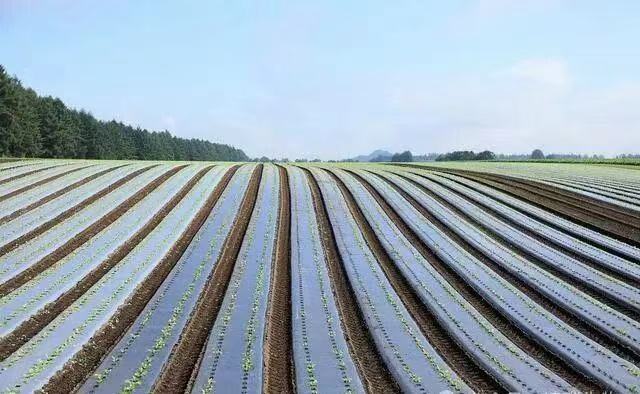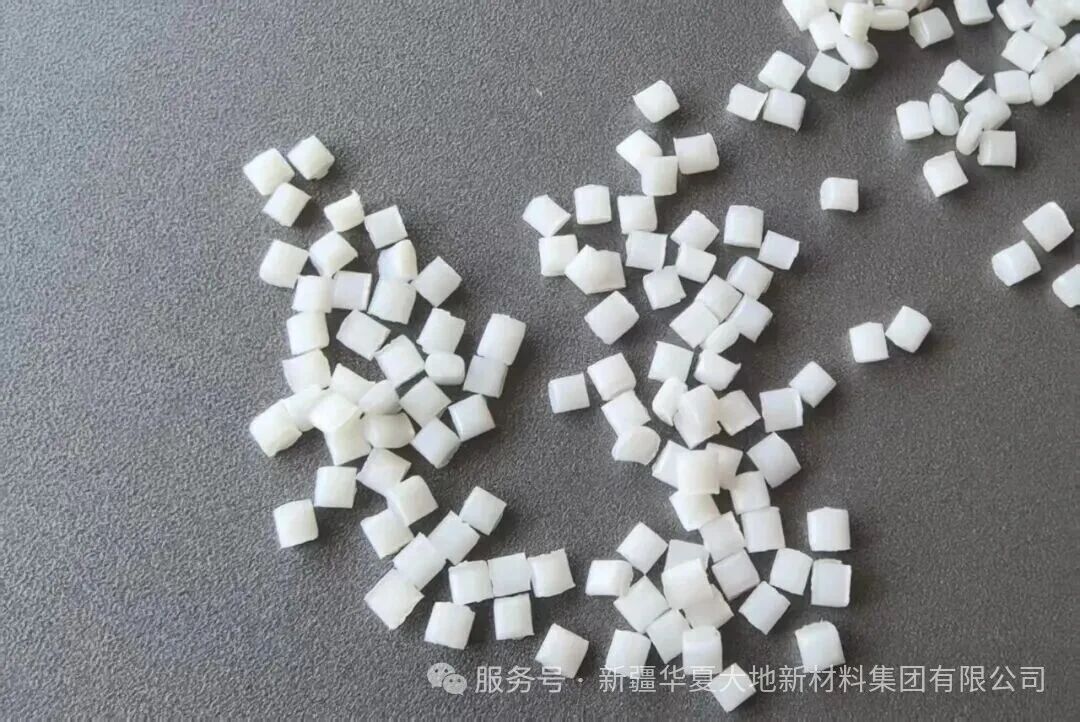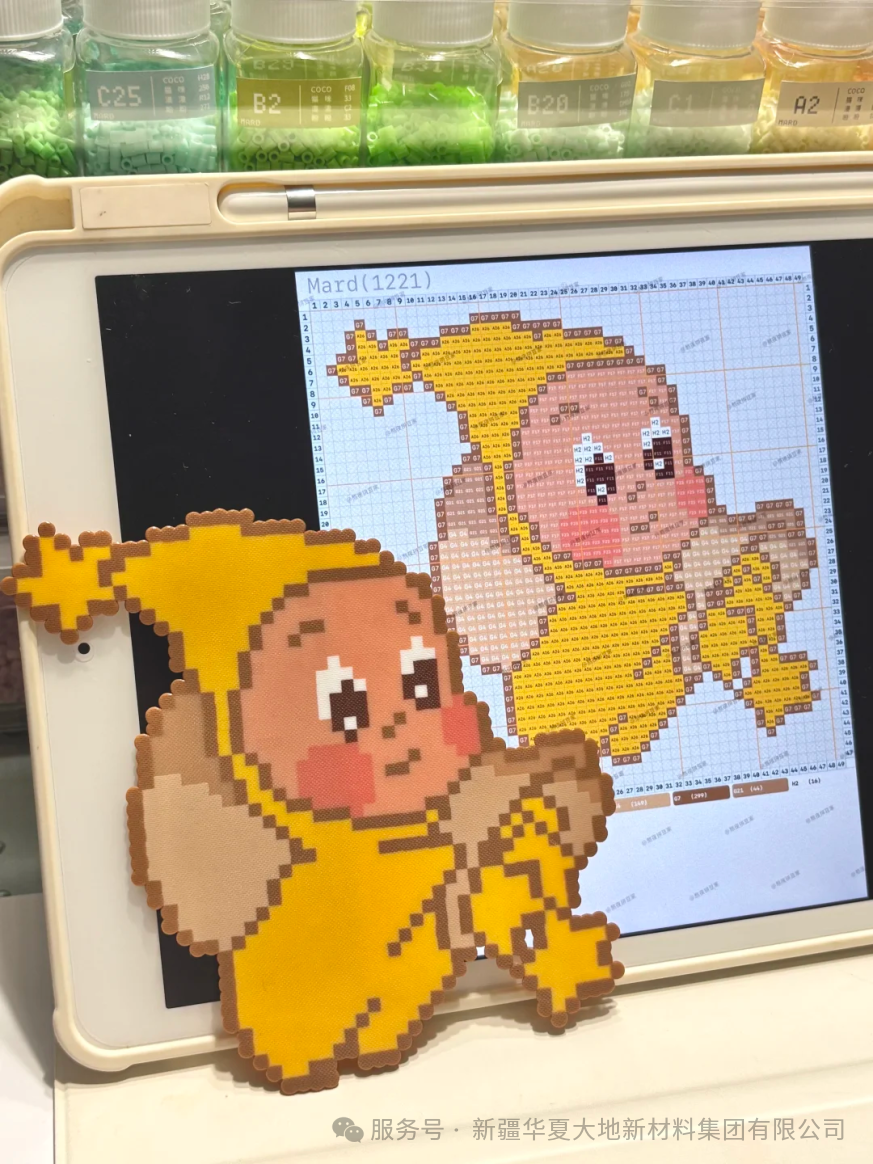


Industrial exhaust gas transformed into fish feed, gutter oil converted into aircraft fuel, and crop straw turned into plastic film—biomanufacturing is a disruptive manufacturing paradigm that uses enzymes and microbial cells as core "production workshops." As an advanced method of molecular material production, biomanufacturing is closely linked to numerous sectors of the national economy, with extensive integration points. It is rapidly penetrating industries such as food, pharmaceuticals, chemicals, materials, and energy, emerging as a key driver for advancing new industrialization and strengthening, optimizing, and expanding the real economy.
Industrial development achieves growth in both scale and quality
Compared to manufacturing methods that rely on petrochemical feedstocks and high energy consumption, bio-based manufacturing uses renewable biomass as raw material, offering mild processing conditions, low pollution, high energy efficiency, and strong sustainability, making it a typical representative of green manufacturing and the circular economy.
Li Boyang, Director of the Consumer Goods Industry Research Institute at CCID Consulting, explained that bio-manufacturing reduces carbon emissions across multiple stages—including raw materials, processes, and recycling—by directly producing target products using microorganisms, enzymes, and cells, significantly improving material conversion efficiency.
In recent years, with rapidly declining costs and significantly improved efficiency in gene editing, sequencing, and strain design, some large-scale alternative and innovative products have gradually achieved industrial production. Currently, China's biomanufacturing industry has an annual output value exceeding 1.1 trillion yuan, accounting for over 70% of the world's fermentation capacity, with both bio-based food and biopharmaceuticals each surpassing 400 billion yuan in annual output value.
Li Boyang stated that the expansion of biomanufacturing and the improvement in its development quality are closely related to industrial integration, technological convergence, and application-driven demand, and that China has multiple advantages in developing biomanufacturing.
In terms of the industrial system, China's manufacturing value-added accounts for nearly 30% of the global total. It is the only country in the world that covers all 41 major industrial categories, 207 medium categories, and 666 minor categories defined by the United Nations. The supporting infrastructure—including technology research and development, equipment manufacturing, and service-oriented manufacturing—related to core aspects of biomanufacturing such as fermentation production, process engineering, separation and purification, and testing and inspection—is well-developed, laying a solid foundation for the large-scale growth of the industry.
In terms of application scenarios, China's vast territory and large economy have led to the development of numerous regional characteristic industries. Diverse demands exist across sectors such as food, pharmaceuticals, light industry, textiles, and electronics. Meanwhile, high-quality development is rapidly advancing in areas including agriculture, ecological conservation, and urban-rural construction, creating broad opportunities for agricultural bioproducts, microbial formulations, and bio-based materials.
In terms of the market, China has a population exceeding 1.4 billion, with substantial domestic demand. Residents' income levels and consumption capacity are steadily rising, driving continuous growth in demand for high-quality, personalized, and nutritious products. By aligning product supply with consumer needs, this helps stabilize and expand consumption, contributing to a higher-level dynamic balance between supply and demand.
In terms of industry, China ranks first globally in fermentation industrial capacity, producing over 70% of the world's bulk products such as amino acids and vitamins, and has accumulated comprehensive engineering capabilities and a skilled workforce spanning from strain selection to large-scale separation and purification.
Accelerating empowerment across thousands of industries
Biomanufacturing is accelerating its empowerment across thousands of industries, providing a crucial industrial foundation for stimulating industrial vitality and enriching people's lives.
In the chemical industry, bio-based manufacturing is gradually replacing traditional petrochemical production methods. In sectors such as food and additives, daily chemicals and cosmetics, high-performance textile fibers, pharmaceutical active ingredients, and rare natural products, the supply capacity and alignment between supply and demand of bio-manufactured products continue to improve, better meeting consumer needs. Innovation remains vibrant in the fields of biomaterials and green energy, with expanding applications in home building materials, construction engineering, aerospace, and other areas.
Take the yeast industry as an example. As a natural microorganism, yeast is widely used in fermentation-based foods such as bread and brewing. Today, the rapid advancement of synthetic biology has made yeast an ideal "factory" for bio-manufacturing.
Hubei Angel Bio-Group Co., Ltd. has been dedicated to biomanufacturing for 40 years, strengthening its core businesses in yeast and food health while expanding into bio-agriculture and new biotechnologies. Zhang Yan, the group's chief engineer, explained that the company is vigorously advancing new biotechnologies represented by synthetic biology, focusing on breakthroughs in key industrial technologies such as microbial protein, functional food ingredients, and agricultural microbial agents, promoting deep integration and transformation of synthetic biology in fields including bio-agriculture, biomaterials, and biopharmaceuticals.
Zhang Linshan, a researcher at the Institute of Macroeconomic Research under the National Development and Reform Commission, believes that bio-manufacturing is poised to achieve pioneering breakthroughs in several key areas. By 2030, it is expected to foster trillion-yuan-scale bio-manufacturing industrial clusters with global competitiveness. First, bulk bio-based materials such as polylactic acid and bio-based polyamides will replace chemical fibers and petrochemical plastics. Second, new food and feed products—including microbial protein, cell-cultured meat, and milk-oligosaccharides—will expand the boundaries of food security. Third, high-value biopharmaceuticals will take the lead in fields like engineered bacterial live therapies and universal cell therapies, leveraging clinical resource advantages. Fourth, green agricultural inputs such as microbial nitrogen-fixing agents and RNA-based biopesticides will accelerate carbon reduction and efficiency improvements in agriculture.
Work together to overcome challenges and bottlenecks
"China's bio-manufacturing industry has a solid foundation, distinctive features, and strong vitality, and will enter a critical period of development during the 15th Five-Year Plan," said Li Boyang. While the industry is thriving, bio-manufacturing still faces several pressing challenges that require breakthroughs—such as the urgent need to enhance innovation, R&D, and production capacity in key areas including core strains, enzyme preparations, and high-end instruments; the lack of a diversified raw material supply system; and the need to strengthen supporting capabilities in standards, talent, and financial tools.
In Zhang Linshan's view, the current transition of bio-manufacturing toward scale-up still faces multiple bottlenecks. Technologically, key enzyme preparations, core microbial strains, and chassis cells remain highly dependent on foreign sources, with insufficient self-reliance and controllability, while foundational databases and industrial software are underdeveloped. On the engineering side, the intermediate-scale pilot stage between laboratory research and industrialization is weak, making it difficult to maintain product quality and consistency during scale-up, and production costs remain relatively high. In terms of resources, there is a shortage of interdisciplinary talent, and a non-grain raw material supply system has yet to be established. Institutionally, standards and regulatory frameworks are incomplete, and market entry barriers remain high in certain areas.
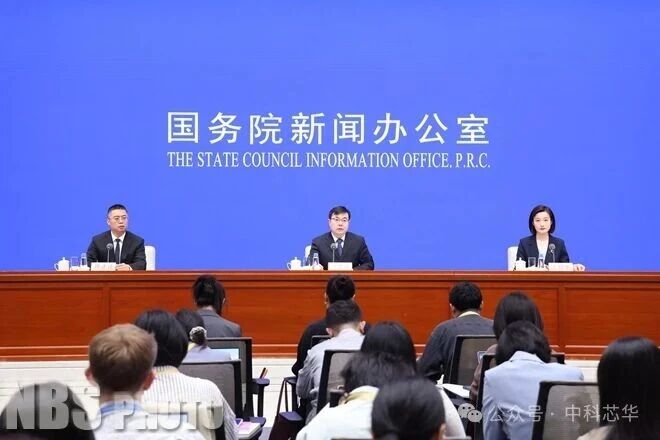
Top-level design is continuously improving. In June 2025, the Ministry of Industry and Information Technology and the National Development and Reform Commission jointly issued the "Notice on Promoting the Cultivation of Pilot-scale Capacity Platforms for Bio-manufacturing," aiming to cultivate more than 20 pilot-scale capacity platforms for bio-manufacturing by 2027, serve over 200 enterprises, and incubate more than 400 products. In December 2025, the Ministry of Industry and Information Technology released the first list of landmark bio-manufacturing products, further strengthening the cultivation and promotion of such products to foster a favorable market environment for their application.
The Ministry of Industry and Information Technology will focus on fundamental scientific challenges and major engineering bottlenecks facing the bio-manufacturing industry, strengthening original innovation and breakthroughs in key core technologies. It will promote coordinated development among industry, academia, research, application, and finance, accelerating the construction of product and enterprise matrices in bio-manufacturing. Additionally, it will expand application scenarios and actively drive widespread use of bio-manufactured products in future food, healthcare, and other fields.
Zhang Linshan suggested that the next step should focus on strengthening research and development in foundational technologies such as chassis cells and gene editing to build an independent technological system; establishing national-scale pilot platforms and concept validation centers to streamline industrialization chains; promoting deep integration between AI and bio-manufacturing to address shortcomings in data infrastructure; improving policies for evaluation, approval, standard setting, and market access to foster a sustainable business ecosystem; and exploring high-value utilization of agricultural waste such as straw to overcome raw material constraints.
Li Boyang stated that it is also necessary to improve product evaluation mechanisms and labeling systems, accelerating market access for original innovations; enhance intellectual property protection mechanisms for gene editing, microbial strains, enzyme preparations, and other areas; encourage local governments to refine pre-approval procedures for pilot production lines in bio-based chemical industries; leverage the leading role of "key enterprises—specialized supply chains—major products" to strengthen the development of specialized, refined, distinctive, and innovative enterprises and manufacturing champions; establish a comprehensive standardization system and actively participate in international standardization efforts; support the growth of market-oriented industrial funds and promote financial institutions to develop more products tailored to enterprise needs.