


Amid the ongoing global environmental protection wave and the steady progress of the "dual carbon" goals, the problem of white pollution caused by traditional petroleum-based plastics has become increasingly prominent. However, a new type of green and degradable plastic raw material - PLA (polylactic acid), with its unique advantages, has quickly become a new favorite in the plastic industry and various production fields, gradually replacing traditional plastics and leading the industry into a new era of green materials.
Today, let's take a comprehensive look at this PLA plastic raw material, which is hailed as the "star of eco-friendly materials", and explore what makes it so outstanding!
1.What is PLA material?
PLA, the full name of which is polylactic acid, is a biodegradable polymer material based on renewable plant resources. It belongs to the aliphatic polyester family and is currently one of the most mature and widely used biodegradable plastics in industrialization.
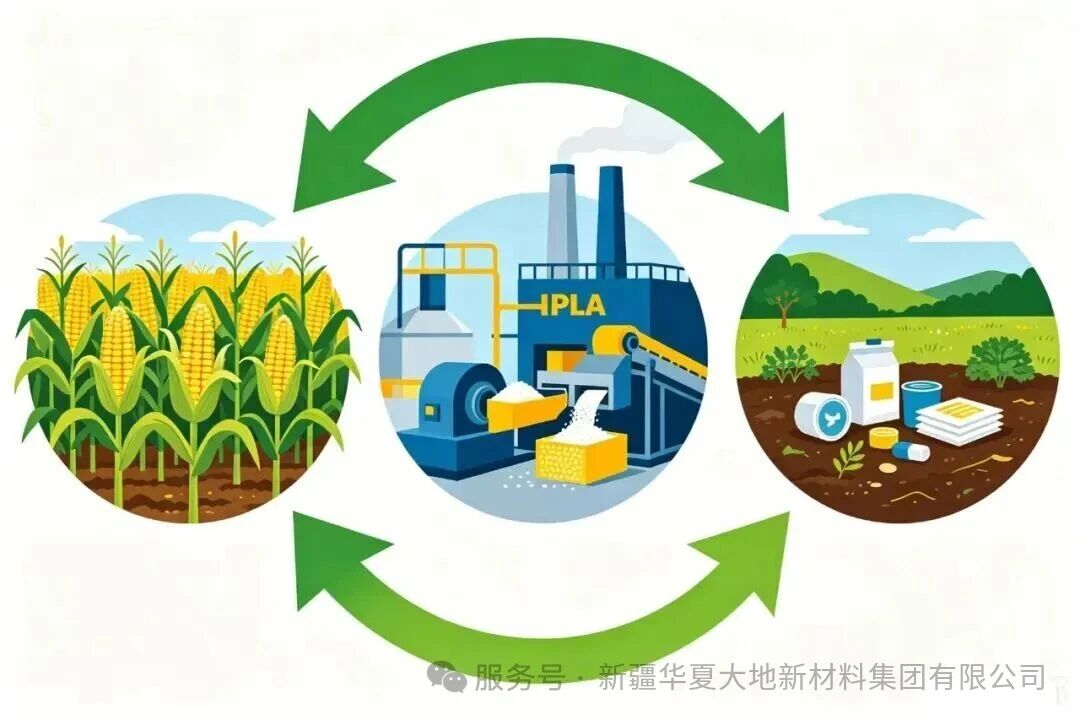
Unlike traditional plastics that rely on non-renewable petroleum, the raw materials of PLA are all derived from plant starches such as corn, cassava, sugarcane, and straw. Through saccharification and fermentation to produce lactic acid, and then through polymerization processes to refine it, from raw material acquisition to final degradation, the entire process adheres to the concept of green circulation, truly achieving "taken from plants, returned to nature", and completely breaking the curse of traditional plastics being "difficult to degrade and highly polluting".
2.The core advantages of PLA materials
Ultimate environmental protection, fully biodegradable
This is the most prominent core advantage of PLA! Under industrial composting conditions, PLA products can be completely decomposed by microorganisms in nature within just 6 to 12 months, ultimately transforming into carbon dioxide and water. No harmful substances are left behind, nor does it cause pollution to soil or water sources. It fundamentally solves the problem of white pollution and perfectly aligns with global environmental protection policies and the demands of sustainable development.
2. Renewable raw materials, free from reliance on petroleum
Unlike traditional petroleum-based plastics such as PP, PE, and PS, PLA is made from non-grain, renewable plants like crop stalks and cassava, without consuming precious petroleum resources. This not only reduces the consumption of fossil energy but also lowers the carbon footprint during the production process, facilitating the realization of low-carbon production and green transformation in various industries.
3. Excellent physical properties, suitable for processing in various scenarios
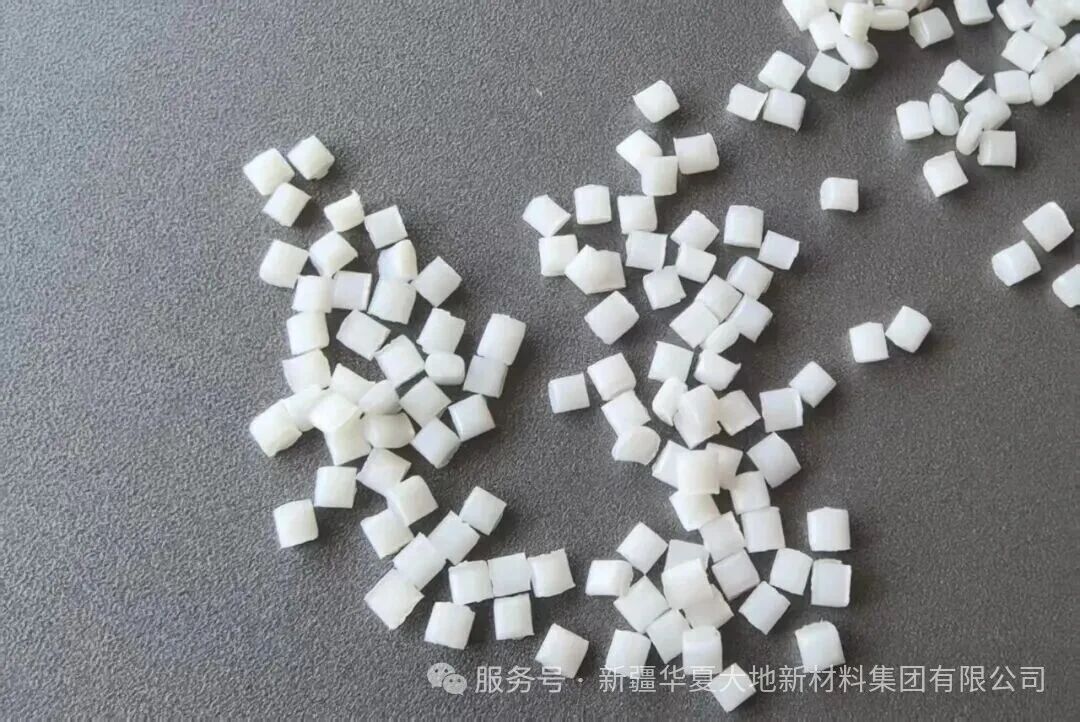
PLA possesses excellent processing performance and physical properties: it has high transparency and excellent gloss, resulting in products with a refined appearance; it exhibits outstanding hardness and rigidity, comparable to polystyrene (PS); moreover, it can be molded through various conventional plastic processing methods such as injection molding, extrusion, blow molding, filament spinning, and 3D printing, without the need to replace specialized equipment, significantly reducing the transformation costs for enterprises.
4. Excellent biocompatibility, safe and non-toxic
PLA has excellent biocompatibility, is non-toxic and non-irritating, and has passed the safety certification for food contact materials. It can be directly used in food packaging, catering equipment and other fields, without releasing harmful substances, ensuring maximum safety in use. At the same time, its outstanding biocompatibility can also meet the material usage requirements in the medical field.
5. Outstanding barrier performance, ensuring product quality
The barrier properties of PLA to oxygen and water vapor are superior to those of traditional PS plastics. It can effectively extend the shelf life of food and daily necessities, and is particularly suitable for packaging protection of short-shelf-life foods and fresh products. It truly achieves a balance between environmental friendliness and practicality.
3.The main application scenarios of PLA materials
Thanks to its multiple advantages such as environmental friendliness, safety and ease of processing, PLA plastic raw materials have been widely applied in various fields including daily life, industry and healthcare, and the application scenarios are very diverse.
The field of food packaging (the largest application market)
This is the most mainstream application direction of PLA, covering disposable lunch boxes, salad bowls, beverage cups, straws, cling film, fresh food trays, and takeout packaging boxes, etc. It can effectively replace traditional non-degradable plastic tableware. It not only complies with the plastic restriction policies in various regions, but also ensures food contact safety, and has become the preferred environmentally friendly packaging material for the catering and fresh food industries.
2. The field of daily consumer goods
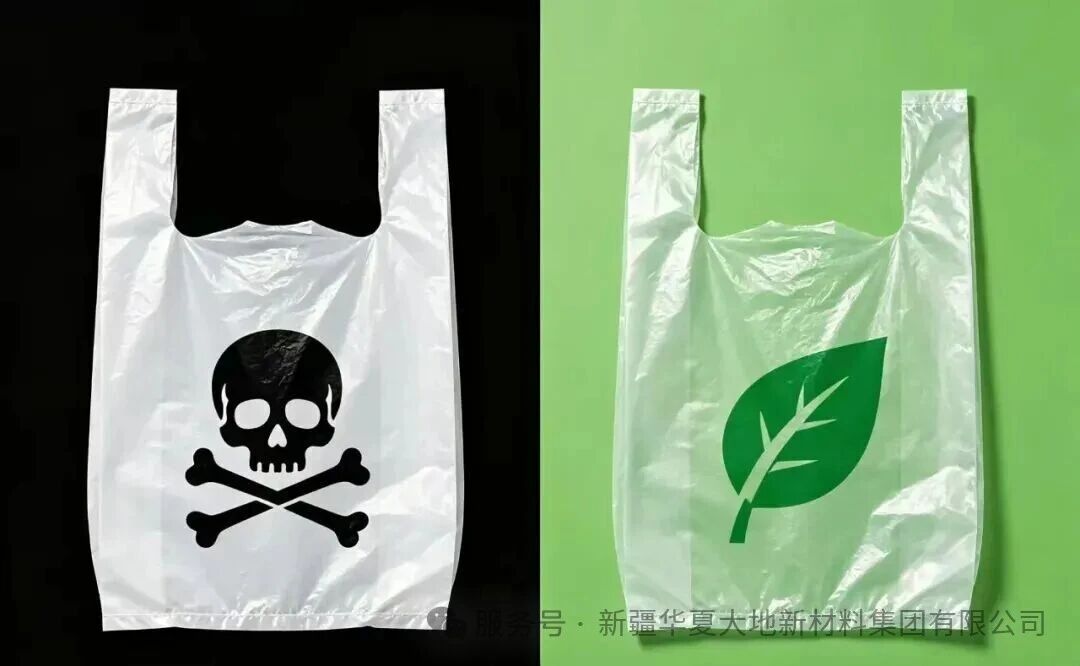
It can be used for making cosmetic bottles, packaging for personal care products, gift boxes, eco-friendly shopping bags, disposable toiletries, etc. It not only takes into account the product's texture but also highlights the environmental attributes, aligning with the current consumers' green consumption concepts and helping the brand enhance its environmental image.
3. 3D Printing and Industrial Manufacturing
PLA is the most commonly used material for FDM 3D printers. It has a low printing temperature, no pungent odor, excellent molding effect, and low shrinkage rate. It is widely used in 3D printing of figurines, models, industrial components; at the same time, it can also be used to make small parts for car interiors, environmental-friendly shells for electronic and electrical products, etc.
4. Textile and Clothing Industry
PLA can be spun into fibers, which are used to produce eco-friendly clothing, home textiles, mask base fabrics, wet wipes non-woven fabrics, etc. These types of fabrics have a soft feel, good moisture absorption and sweat wicking properties, as well as UV resistance. They combine comfort and environmental friendliness, meeting consumers' demands for green clothing.
5. Medical and Healthcare Field
Thanks to its excellent biocompatibility and degradability, PLA can be used to make surgical sutures, orthopedic fixation screws, drug-controlled release carriers, and disposable medical consumables, etc. After being implanted into the human body, it can slowly degrade and be absorbed without the need for a second surgery, effectively reducing the patient's pain.
4.Application of PLA Materials
PLA can be compatible with various processing techniques such as injection molding, extrusion, blow molding, and 3D printing, and can meet different production requirements.
The modified PLA offers a wide range of options, with colors including high transparency, semi-transparency, natural color, coffee color, and rice husk color, etc.
It has advantages such as high toughness, high impact resistance, stable size, easy demolding and high temperature resistance in terms of performance.
Main application scenarios: Injection molded food containers, various containers, eyeglass frames, transparent phone cases, knives and forks and other daily necessities, suitable for the production needs of multiple industries.
5.PLA: Leading the New Trend of Green Plastics
With the continuous intensification of global plastic restriction and prohibition policies, and the continuous enhancement of consumers' environmental awareness, the market demand for PLA plastic raw materials has witnessed an explosive growth. At the same time, PLA modification technology is also constantly breaking through. High-heat resistance, high toughness, and low-cost modified PLA products have been successively launched, not only compensating for the shortcomings of traditional PLA in terms of heat resistance and toughness, but also further expanding its application scope.
As the core representative of green degradable materials, PLA (polylactic acid) is not only a key direction for the transformation and upgrading of the plastic industry, but also one of the best solutions for achieving low-carbon and environmentally friendly development in various industries. In the future, it will completely replace traditional petroleum-based plastics and become the mainstream choice in the plastic material market, ushering in a new era of green plastics.