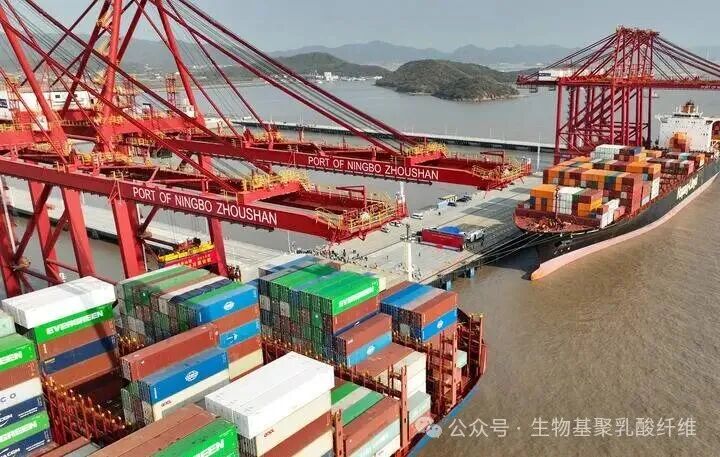

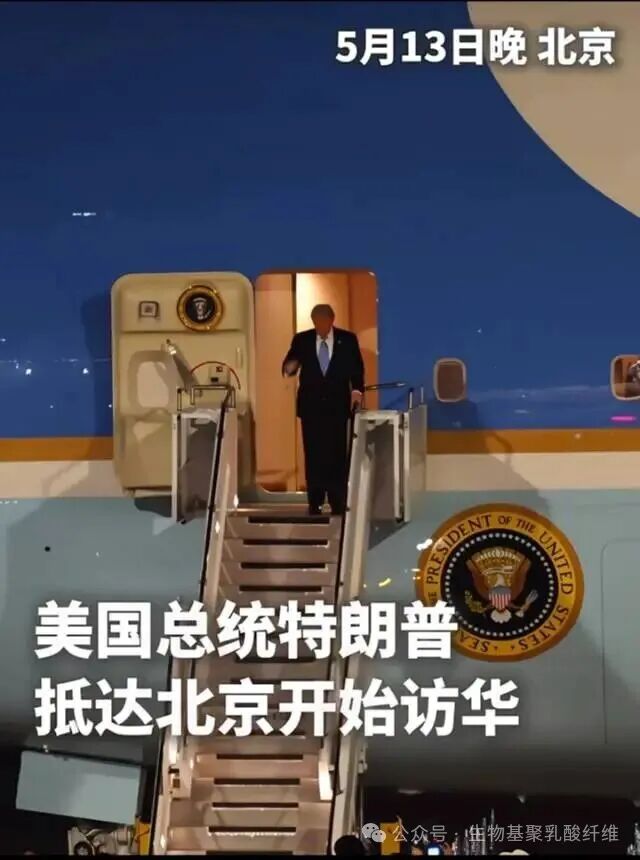
Trump's visit to China has sent out positive signals of easing tensions in Sino-US economic and trade relations, presenting a major favorable window period for China's export industry!
Under the backdrop of the comprehensive upgrade of the "plastic restriction order" in Europe and America and the continuous increase of environmental protection thresholds, PLA polylactic acid fiber, with its core advantages of 100% degradability, natural antibacterial properties, skin-friendliness and breathability, has become the "golden material" for the export of hygiene products such as sanitary napkins, diapers and disposable products. It perfectly meets the urgent needs of environmental protection policies in Europe and America, and the market space is about to explode!
?? PLA Fiber: A Natural Bio-based Material, an "All-Rounder" in the Hygiene Field
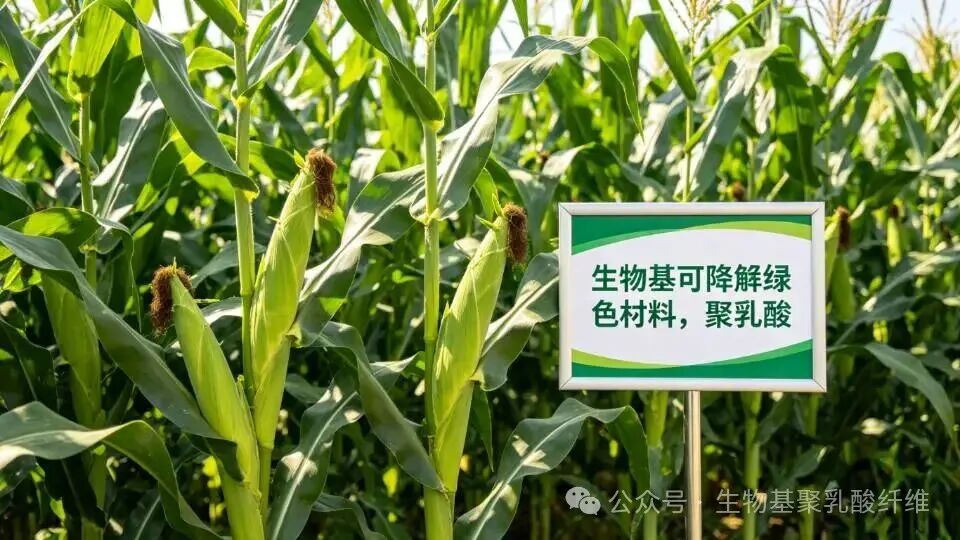
PLA (polylactic acid), made from renewable crops such as corn and cassava through fermentation and polymerization, is globally recognized as an environmentally friendly material. It breaks away from petroleum dependence from the source and is green and low-carbon throughout its entire life cycle.
✅ Four core advantages, overwhelming traditional petroleum-based fibers
1. 100% biodegradable, directly addressing the environmental concerns in Europe and America
After being discarded, it can be decomposed by microorganisms in the natural environment into carbon dioxide and water. There are no residues and no pollution to the soil or water sources, perfectly solving the "white pollution" problem of disposable hygiene products. The EU implemented the "Single-use Plastic Products Directive" in 2021, strictly controlling the circulation of non-degradable hygiene products. PLA became the only compliant alternative solution.
2. Natural antibacterial + zero irritation, safe for mother and baby care
Certified by FDA, PLA has 100% biocompatibility and does not add drugs to naturally inhibit bacterial growth. There are no harmful residues such as formaldehyde, fluorescent agents, and fragrances. It completely solves the problems of traditional synthetic fabric surface layers such as allergies, stuffiness, and odors. It is especially suitable for infants and sensitive skin groups.
3. Core suction + dry and moisture retention, experience far exceeding traditional materials
The cross-section of PLA fibers is flat and round, with grooves on the surface, forming a strong core suction effect. It quickly removes moisture and has a two-fold higher breathability than ordinary synthetic fibers. When used as the surface layer of sanitary napkins, it instantly absorbs and does not backflow; when used as the surface layer of diapers, it effectively reduces red buttocks in babies and is long-lasting and dry and comfortable.
4. High temperature resistance + easy processing, suitable for all scenarios of hygiene products
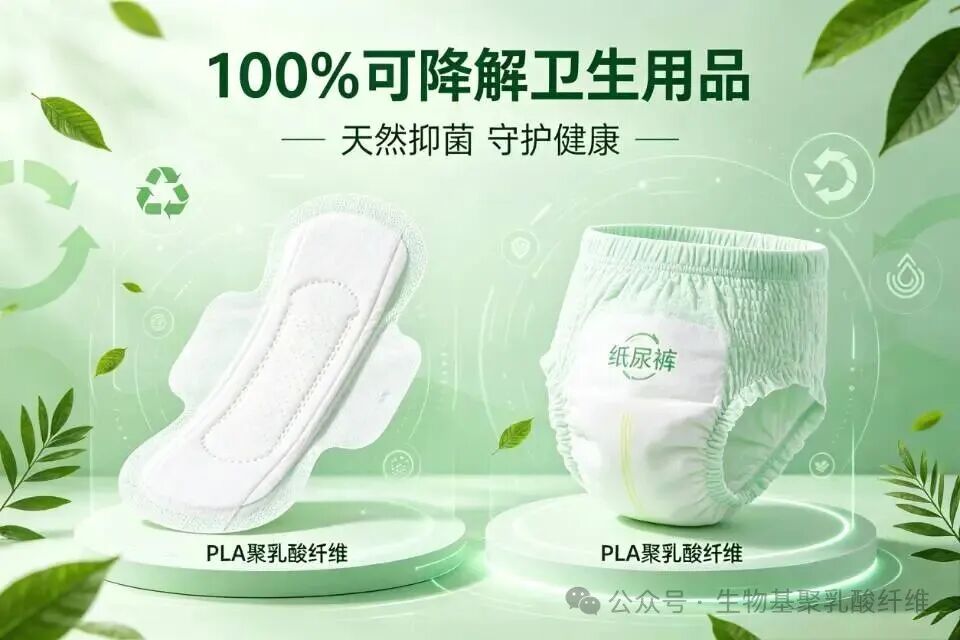
Resistant to 121℃ high temperature, suitable for hygiene product high-temperature production processes; it can be made into various forms such as non-woven fabric, melt-blown fabric, etc., and is widely used in the surface layers of sanitary napkins, diapers, disposable bed sheets and pillowcases, medical underwear, makeup wipes, etc. of all types of hygiene products.
?? Export Boom Opportunity: Dual-driven by policies and market, PLA Waisai becomes a must-have for Europe and the United States
The economic relations between China and the United States have improved, and the export channels have been fully opened up.
Trump's visit to China has promoted the recovery of Sino-US economic and trade relations. Tariff barriers have been lowered and trade restrictions have been relaxed. China's export of Wastebord products has entered a "golden opportunity period". The demand for high-quality, cost-effective and environmentally compliant disposable Wastebord products in the European and American markets has surged, providing a broad expansion space for the export of PLA fiber Wastebord products.
2. Environmental protection policies in Europe and the United States have tightened, and PLA has become the "passage" for businesses.
- EU: Since 2021, the sale of non-degradable disposable packaging has been banned. In 2024, new regulations will further strictly control harmful substances such as PFAS. PLA packaging products can directly pass customs inspection in compliance with regulations.
- USA: In 2023, the "Plastic Pollution Prevention National Strategy" was released. Efforts were made to widely promote degradable materials. PLA packaging products enjoy policy subsidies and market preferences.
?? Market Outlook: A trillion-dollar blue ocean, PLA's export of medical supplies is unstoppable
The global market size of disposable medical supplies exceeds 500 billion yuan, with Europe and the United States accounting for 40% of it. Among them, the penetration rate of degradable medical supplies is less than 15%, leaving a huge potential for substitution.
- Demand side: Consumers in Europe and America have awakened their environmental awareness. 85% of consumers prefer biodegradable packaging materials. The acceptance rate of PLA materials among the maternal and infant groups exceeds 90%.
- Supply side: China leads the world in PLA production capacity. The technology is mature and the cost is controllable, making it a core production base for PLA packaging globally.
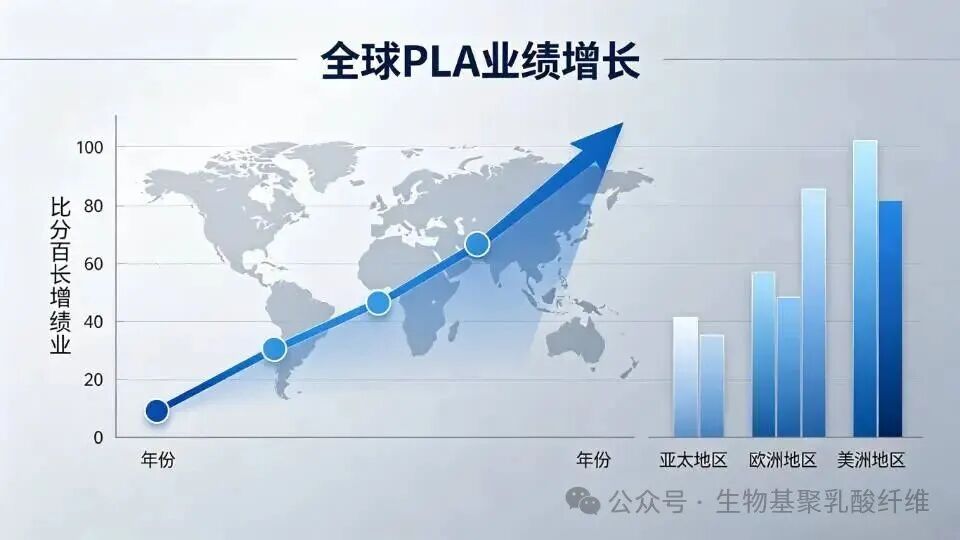
- Trend side: Driven by the favorable economic relations between China and the United States and the environmental protection needs of Europe and America, the compound annual growth rate of China's PLA packaging exports from 2026 to 2030 will exceed 30%, becoming a new engine for export growth.
✨ Conclusion: Capitalize on the trend, the export of PLA fiber products is in high demand now.
The window period for the recovery of Sino-US economic and trade relations has arrived, and the favorable period for environmental protection policies in Europe and the United States has come! PLA biodegradable fibers, with their four core advantages of degradability, high safety, strong breathability, and easy processing, perfectly meet the export demands of hygiene products such as sanitary napkins, disposable diapers, and disposable bedding, aligning with the environmental protection policies of Europe and the United States, and directly addressing market demands.
For hygiene product enterprises, laying out the application of PLA fibers is seizing the "advantageous position" in the trillion-dollar blue ocean market in Europe and the United States; choosing to export PLA fiber hygiene products is seizing the "dividend" of the favorable economic relations between China and the United States!