


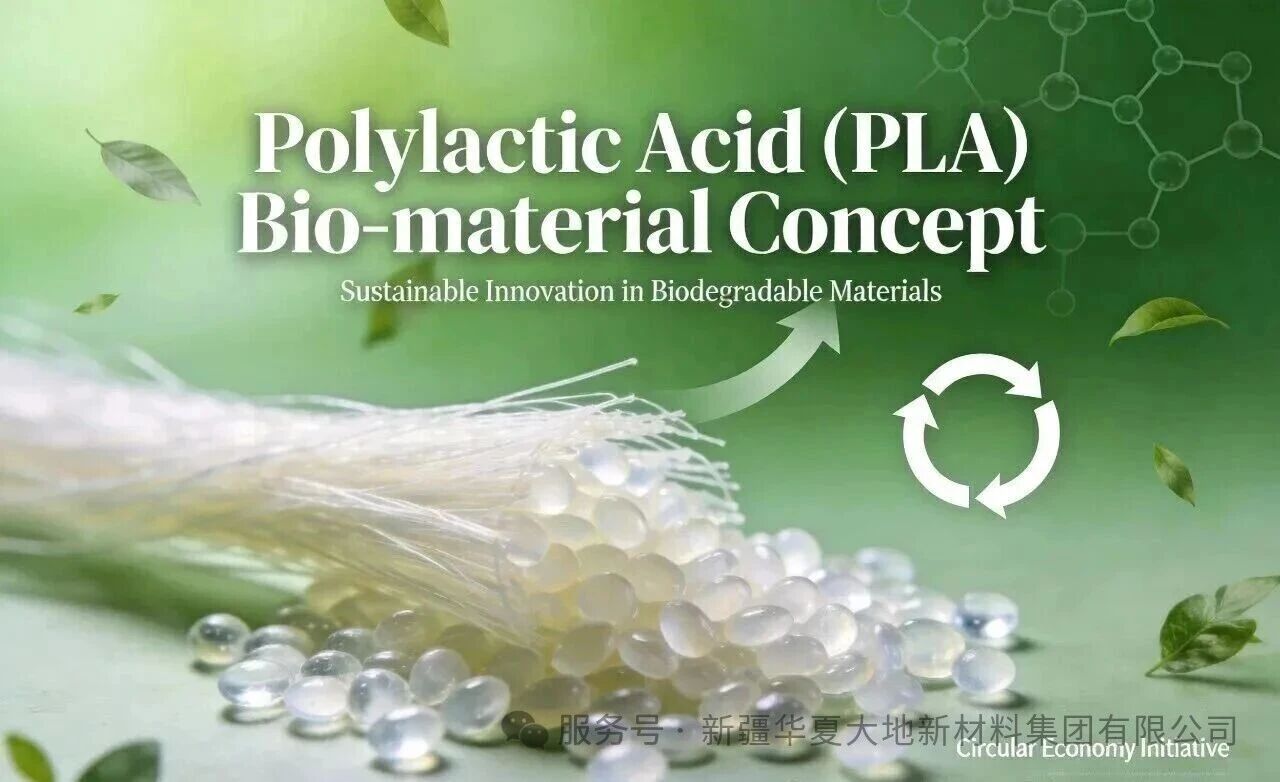
Upgrade environmental protection with preferred green new materials
You might not know the name PLA, but you've likely already used it—perhaps in milk tea cup lids, tea bag filters, compostable food containers, or even in the clothes you wear. This material, grown from corn and straw, is hiding in plain sight.
In 2026, as cities at or above the prefecture level across China fully ban single-use plastics, global production capacity doubles, and modification technologies overcome traditional performance limitations, PLA is transitioning from a niche eco-friendly concept to large-scale commercial replacement.
?? Plant-based ♻️ Fully biodegradable 📊 Global market surpasses $3 billion 🔬 Modified to overcome performance limitations
What is PLA? — A Raw Material "Grown" from Farmland
PLA (Polylactic Acid) is a bio-based polyester synthesized from lactic acid. Where does lactic acid come from? It can be obtained through fermentation of plant starches such as corn, cassava, and sugarcane, or extracted from agricultural waste like crop straw.
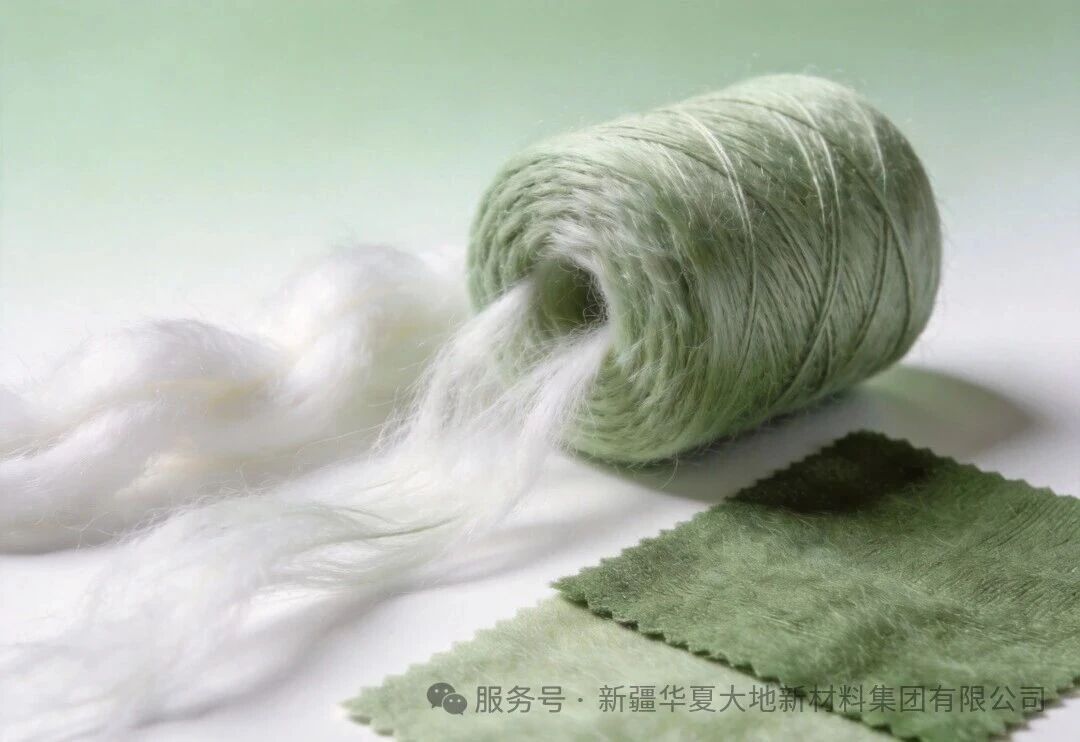
Anhui Xinyuan Bio Co., Ltd. has launched a new type of polylactic acid—Xinyuan Fiber—highlighting its green, biodegradable, and high-performance features. Xinyuan Fiber addresses industry challenges such as difficult dyeing, low colorfastness, and poor heat resistance, making it more suitable for large-scale textile applications.
Simply put, traditional plastics are made from petroleum, while PLA is derived from plants—two entirely different starting points that determine their completely different end results.
Traditional petroleum-based plastics (PE/PP/PS) PLA (Polylactic Acid) – A New Type of Bioplastic
Raw Material Source Petroleum (non-renewable)
Corn/straw, etc. (renewable) Carbon Emissions in Production
3.2–4.1 tons CO₂ per ton 1.8 tons CO₂ per ton, a 62% reduction
Degradation Period 200–500 years
Over 90% degradation within 90 days under industrial composting Degradation Byproducts
Microplastics and leaching harmful substances CO₂ + H₂O, returning to nature
Biocompatibility Poor; not suitable for human implantation
Excellent; FDA-approved for use as implantable material Processing Methods
Extrusion / Injection molding / Blown film Same methods apply (thermoplastic)
The key point is that PLA is not just a "conceptual material"—it is thermoplastic and can be processed using equipment nearly identical to that used for conventional plastics: extrusion, injection molding, blown film, spinning, etc. This means downstream manufacturers do not need to completely replace their production lines to switch raw materials. 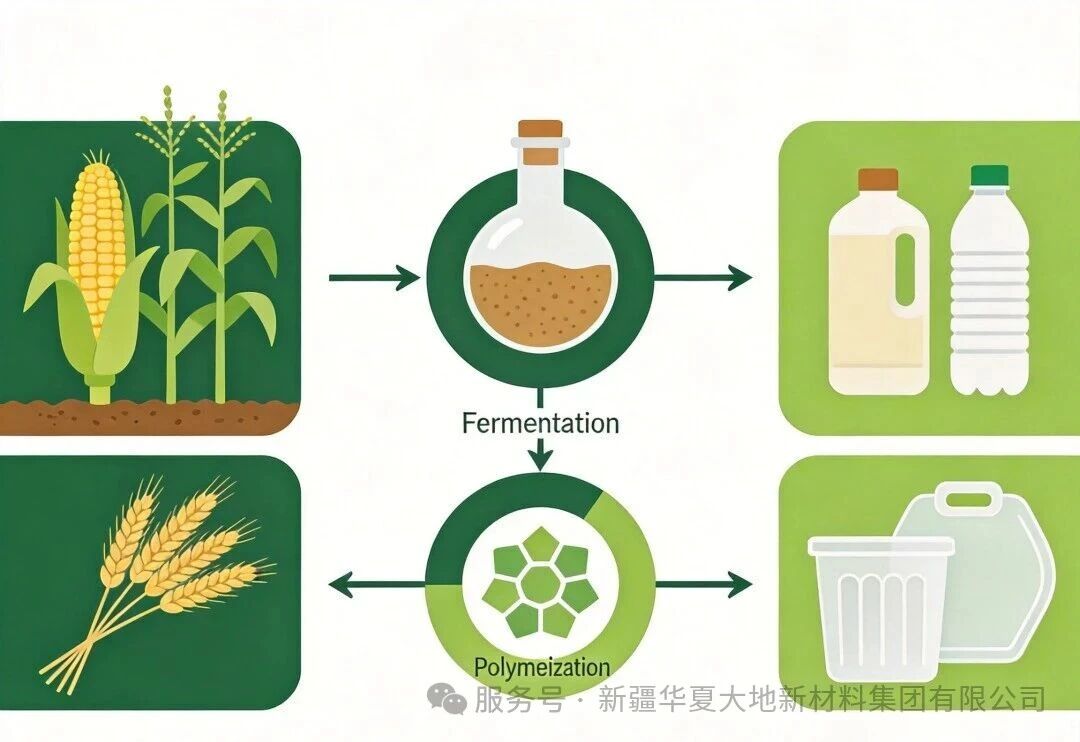
II. What Can PLA Do? – A Comprehensive Overview of Five Key Application Scenarios
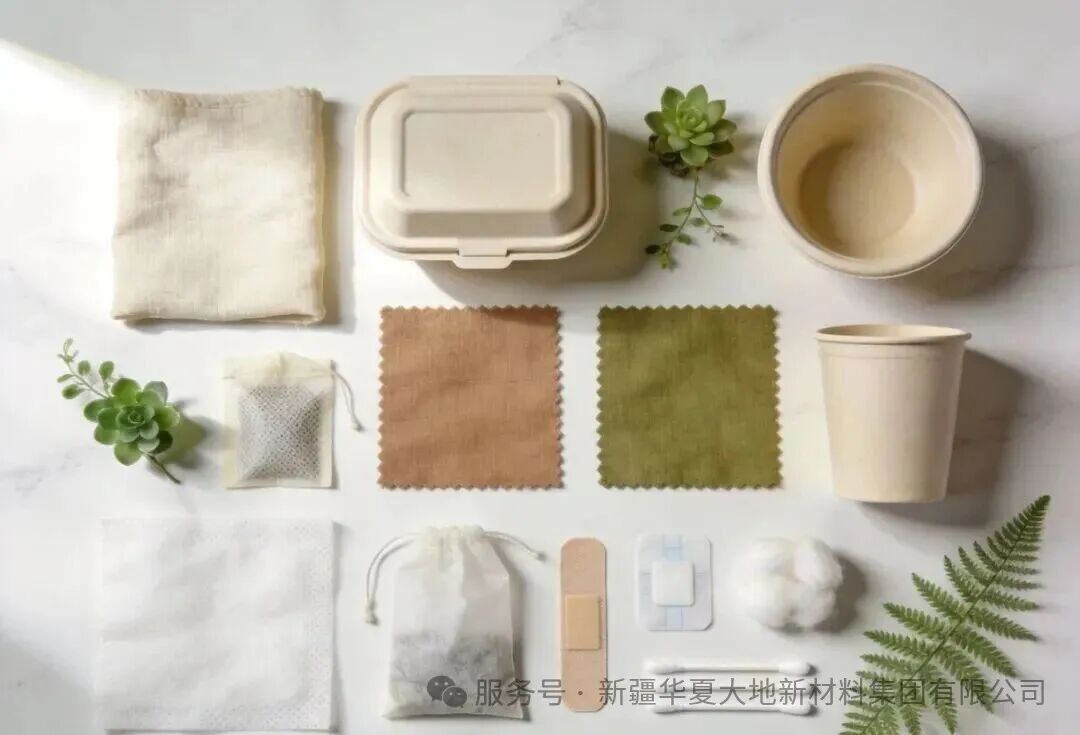
▲ PLA has penetrated various fields including nonwovens, textiles and apparel, papermaking, petroleum, and construction.
1 Nonwoven fabric (accounting for 55% of total PLA usage)
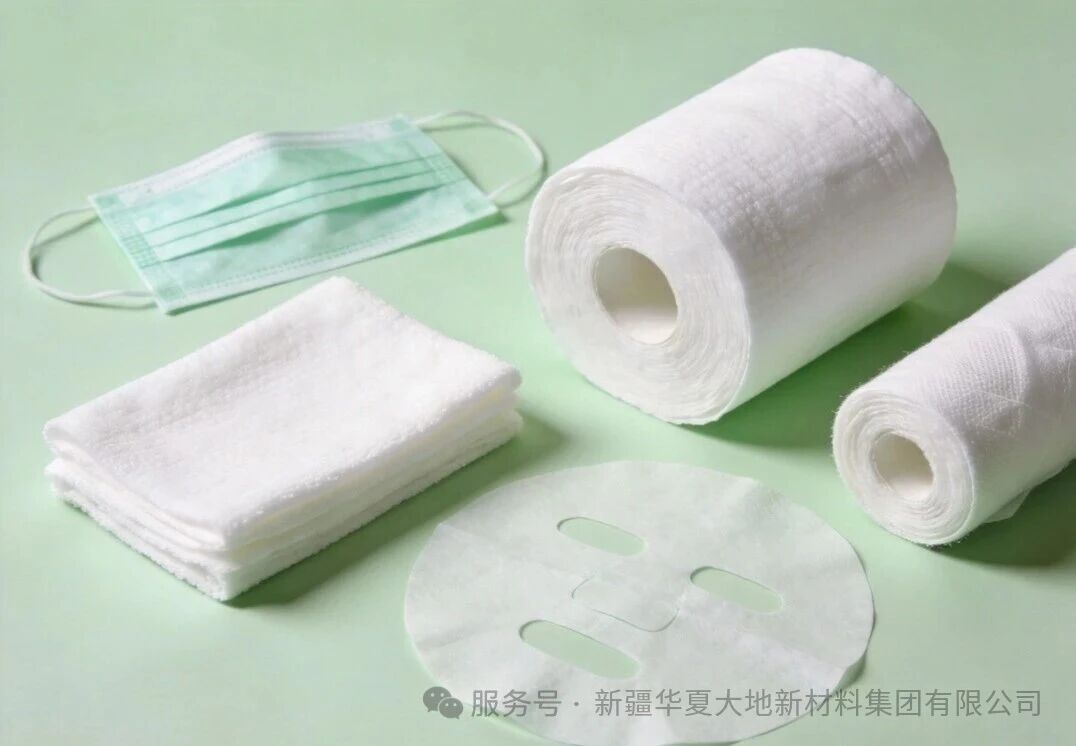
PLA nonwoven fabric, processed through technologies such as spunlace, spunbond, and thermal bonding, is widely used in disposable facial wipes, hygiene product topsheets, medical protective fabrics, agricultural weed control cloth, and geotextile protection materials. It offers a soft touch and can be composted after disposal, effectively reducing plastic waste pollution.
2. Textile and clothing sector (accounting for 23% of PLA total usage)
PLA (polylactic acid) fibers can be either pure-spun or blended with cotton, viscose, and other fibers. They are used to make underwear, sportswear, home textiles, and outdoor knitted products. The fabric is breathable and dry, has antibacterial and ant螨 properties, and the discarded textiles can naturally degrade without the need for complex recycling.
3. Paper-making sector (accounting for 11% of the total PLA usage)
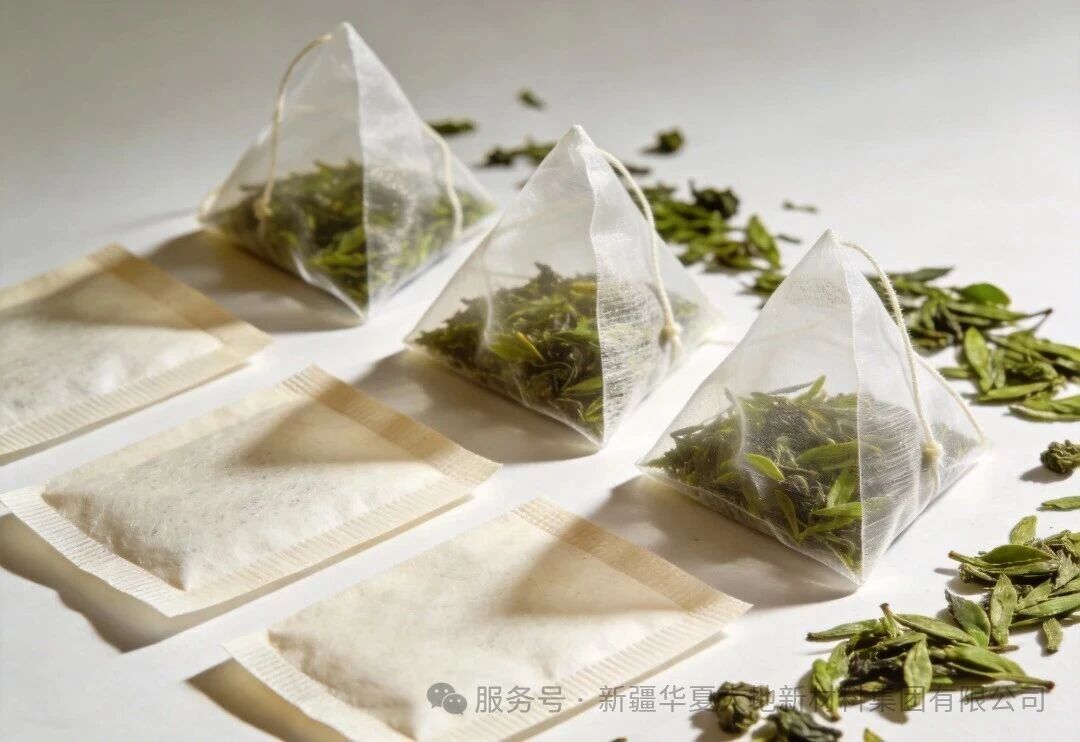
PLA fibers can be combined with wood pulp for wet papermaking. They are mainly used in tea bag filter paper, food filtration paper, industrial dust-free wiping paper, and functional packaging paper. They do not release harmful substances and can be completely degraded after use, meeting the environmental control requirements of the food industry.
4. Petroleum sector (accounting for 3% of PLA's total consumption)
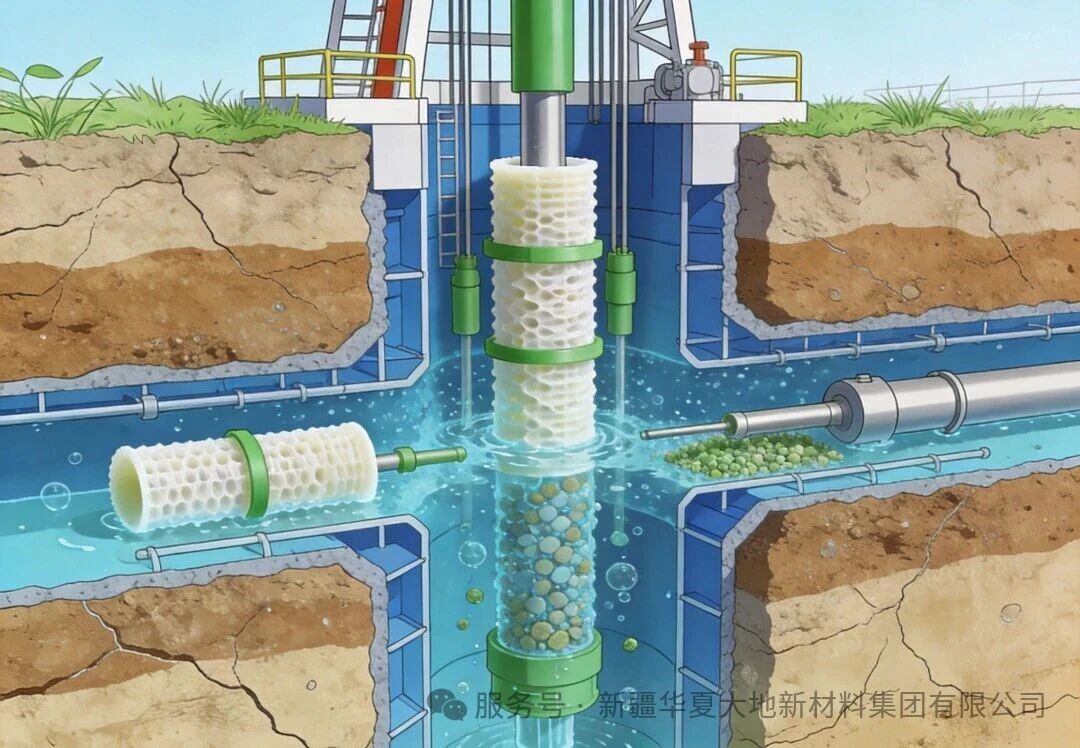
In the oil and gas extraction scenario, PLA mainly produces downhole biodegradable temporary plugging balls, soluble plugs, fracturing filtration materials, and construction site anti-seepage adsorption materials. After the operation is completed, these materials will decompose naturally in the formation environment, eliminating the need for retrieval procedures. At the same time, they avoid polluting the formation and water and soil with traditional plastic components.
5. Construction sector (accounting for 8% of PLA's total usage)
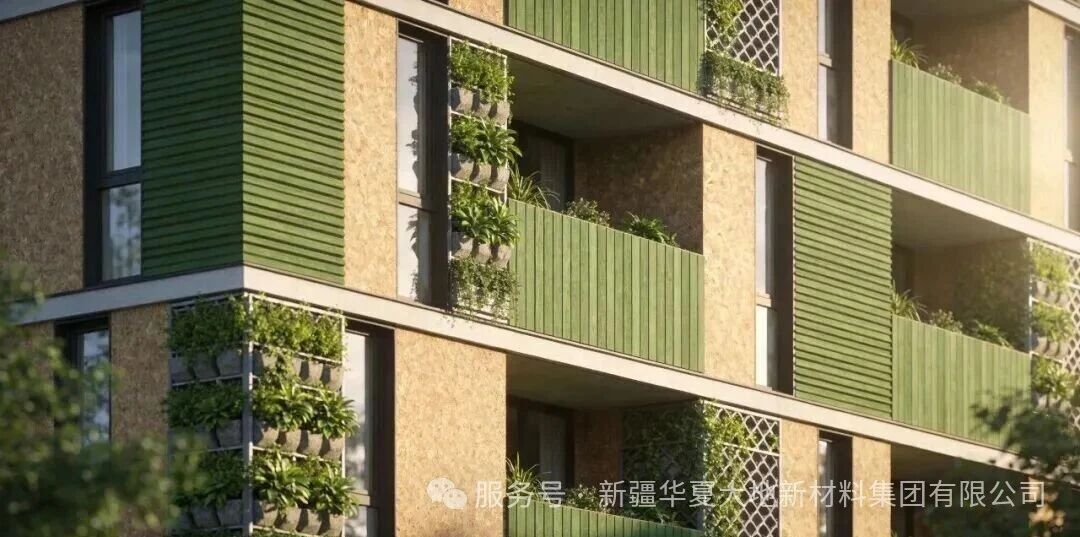
The PLA is accelerating its entry into the green building materials sector. The polylactic acid aerogel insulation board has excellent properties such as low density, high strength, A-level fire resistance, and excellent insulation and soundproofing. A group standard (T/CECS 10548-2026) was released in March 2026. The thermal conductivity of PLA/microcellulose foamed insulation material is as low as 0.049W/m·K, and its insulation performance is close to that of traditional polyurethane foam. Moreover, the 50-day compost degradation rate exceeds 79%. The long carbon fiber reinforced PLA has a bending strength of ≥150MPa, and its weight is only 1/4 of that of concrete. It can be used for exterior wall panels, partition boards, and decorative panels - PLA is moving from a decorative material to a structural-functional integrated building material.
III. How Large is the PLA Market? - Data Overview
?? Core Data of the Global PLA Market
The global market size will reach 29.2 billion US dollars in 2025.
In 2026, it is projected to reach 3.45 billion US dollars, an increase of 18%.
The forecast for 2035 is 15.69 billion US dollars.
The market size in China in 2025 will be 12.86 billion yuan.
In 2026, China is expected to have 153.4 billion yuan, an increase of 19.3%.
Global production capacity will be 100 - 140 million tons in 2026.
Among them, China's production capacity accounts for 45% to 50%.
China is becoming a global production center for PLA - in 2024, China's production capacity will be only 10-15 million tons, and it is expected to expand to 50-70 million tons by 2026. The global share will increase from 25% to nearly 50%.
However, while the supply side is experiencing explosive expansion, the demand side is also accelerating. In 2026, all cities at or above the prefectural level across the country will implement a complete ban on plastic use, with the policy covering over 900 million people. 62% of the PLA demand is related to sustainable packaging, and 48% of manufacturers are replacing traditional plastics with PLA.
IV. Can PLA be Better? - Three Major Technological Breakthroughs in 2026
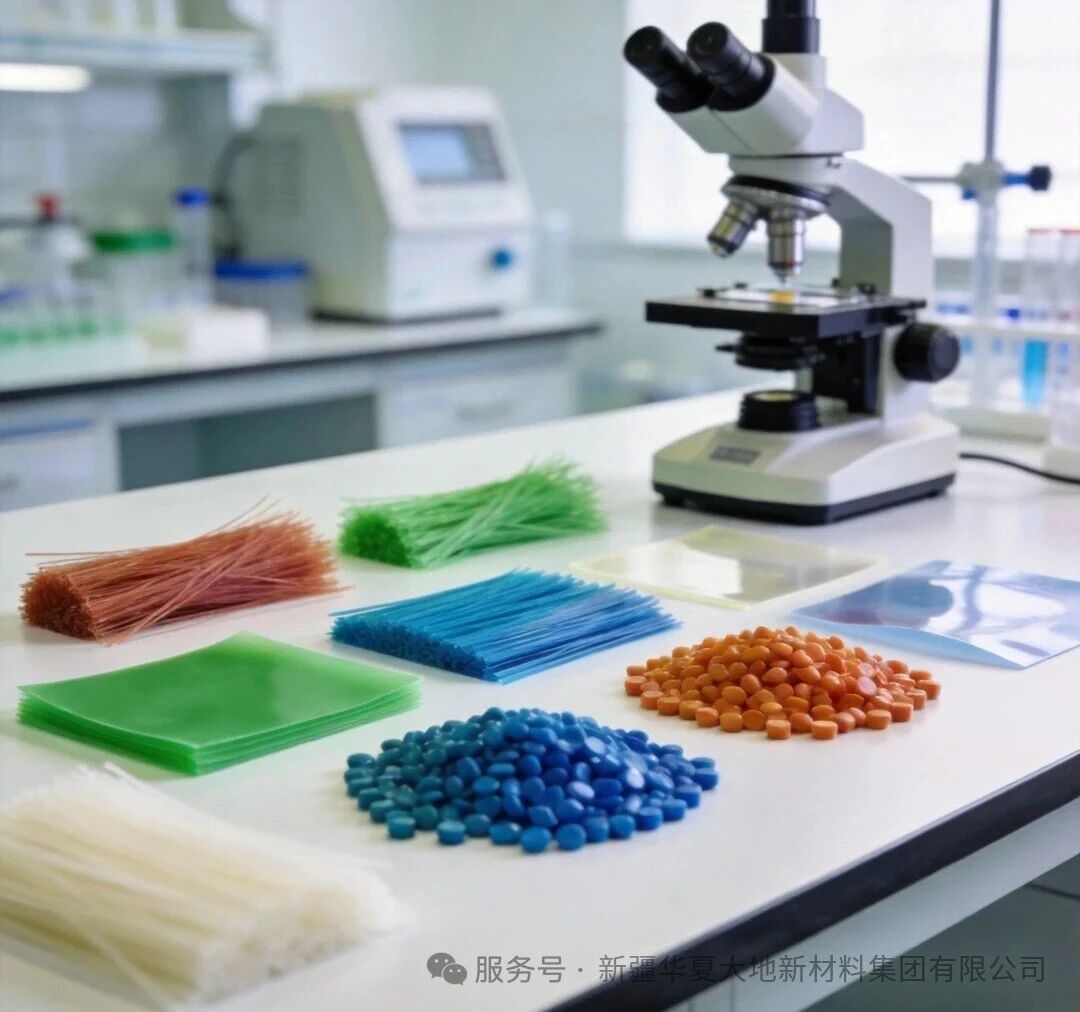
PLA is not without its shortcomings - it has high brittleness, poor heat resistance, and difficulty in coloring. These were once the "critical bottlenecks" that limited its application in broader scenarios. But in 2026, three directions of technological breakthroughs are changing the situation:
Toughening modification: The elongation at break increased from 3% to 449%
The tensile elongation of pure PLA is only 1-5%, making it extremely brittle. In 2026, adding 3% of epoxy neem oil (EJO) can increase the tensile elongation to approximately 210% (an increase of 7000%); the GMA core-shell nanoparticle toughening scheme further pushes the tensile elongation to 449%. The ternary blend system of PLA/PBS/PBAT has a notch impact strength of approximately 1000 J/m, which is 3000% higher than that of pure PLA. Brittleness is no longer the Achilles heel of PLA.
② Heat resistance modification: The heat distortion temperature has exceeded from 55℃ to 120℃.
The pure PLA has a thermal deformation temperature of only 55℃, which is too low to be used for making heat-resistant cup lids. Long carbon fiber reinforced PLA (with a 30% content) has a HDT of 120-125℃, capable of withstanding high-temperature boiling and sterilization; domestic enterprises have already launched heat-resistant PLA (with a HDT of >100℃), which is used for Starbucks' heat-resistant cup lids and has a heat deformation temperature of 112℃. Crystallized PLA can also significantly enhance heat resistance, opening up high-temperature scenarios such as microwave meal boxes and coffee capsules.
③ Deep dyeing modification: Breaking through the limitation of light color for PLA fibers
The traditional PLA fibers have difficulty in coloring and poor color fastness, and they can only produce light-colored products for a long time - this is the biggest pain point in the textile industry. Through copolymerization modification and dispersion dye adaptation technology, deep coloring of PLA fibers has been achieved, enabling stable mass production of dark non-woven fabrics and knitted fabrics. From underwear to home textiles, from medical supplies to outdoor clothing, full color coverage has become possible.
V. 2026, The Key Trends in the PLA Industry
1. From "Policy-driven" to "Market-driven"
In 2026, the absolute increase in the PLA market will expand from 2.08 billion to 2.48 billion. The order fulfillment rate of leading enterprises will exceed 92%. The growth momentum is shifting from the mandatory substitution due to the plastic ban to the downstream's proactive pursuit of PLA solutions.
2. The ability to modify is the pricing power.
The gross profit margin of general-grade PLA is less than 15%, but the gross profit margins of heat-resistant, medical-grade, and deep-dyeing PLA products can reach over 58%. Whoever can solve the three major problems of brittleness, heat resistance, and colorability of traditional PLA will be able to capture the high-value-added market.
The Yangtze River Delta has become the core battlefield for PLA operations worldwide.
The East China region accounts for 52.3% of the national PLA production capacity. Anhui (for raw materials), Jiangsu (for midstream modification and polymerization), Zhejiang (for downstream application and export), and Shanghai (for standard certification) form a complete closed loop. Cross-provincial policy recognition and resource sharing have led to continuous improvement in the operational efficiency of the industrial chain.
4 "False degradation" clearance, benefiting genuine PLA
Starting from March 2026, the "Management Measures for Labeling of Biodegradable Plastic Products" will mandate that all products labeled as "biodegradable" must pass the national composting degradation test. Approximately 35% of the products claiming to be biodegradable in the market actually cannot be fully degraded - with the tightening of the standards, enterprises that truly possess degradation capabilities will gain significant competitive advantages with PLA.
Final Note
PLA is not merely an environmental concept; it is becoming a fundamental material option in manufacturing - not only in the non-woven fabric, paper, textile and apparel, petroleum, and construction sectors, but the application boundaries are expanding every year.
In this industrial transformation that replaces traditional plastics, Anhui Xin Yuan Biotechnology Co., Ltd. is focusing on the most differentiated value环节 in the PLA industrial chain - Xin Yuan Fiber (a new type of modified polylactic acid). They have independently developed a deep dyeing modification technology to break through the limitations of light colors, and have developed heat-resistant modified PLA to open up new scenarios for electronic packaging. They have also developed PLA fibers specifically for filter paper to meet the upgrading needs of tea beverage brands.