


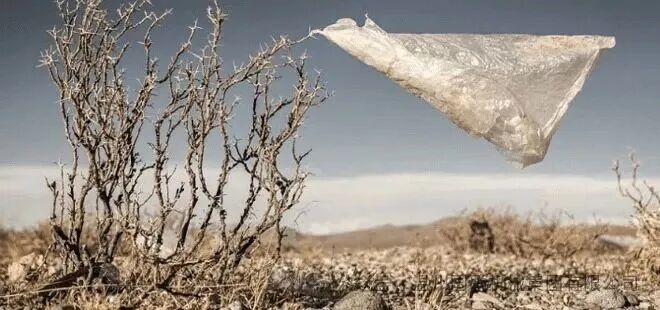
Ubiquitous plastic films, if left in the environment for extended periods, can degrade soil quality and contaminate water bodies. Driven by environmental protection policies and growing consumer demand for green products, various biodegradable films are gradually entering sectors such as agriculture, food packaging, and retail consumables. Today, we spotlight three widely used raw materials for biodegradable films: PLA (polylactic acid), PBAT (polybutylene adipate terephthalate), and bamboo fiber-modified biodegradable material.
1. PLA (Polylactic Acid) Biodegradable Film
PLA, short for polylactic acid, is currently the most mature industrialized bio-based biodegradable material.
It is derived from starch of crops such as corn, cassava, and sugarcane. Through microbial fermentation, lactic acid is produced, which then undergoes polymerization to form high-molecular particles. These particles are processed into films via blow molding or cast film techniques.
This film features excellent clarity and a glossy surface, enabling sharp and attractive printing results. It is inherently non-toxic and odorless, meeting food-contact safety standards. It is commonly used for fresh produce packaging, bakery food laminates, transparent takeout container lids, and gift wrapping films.
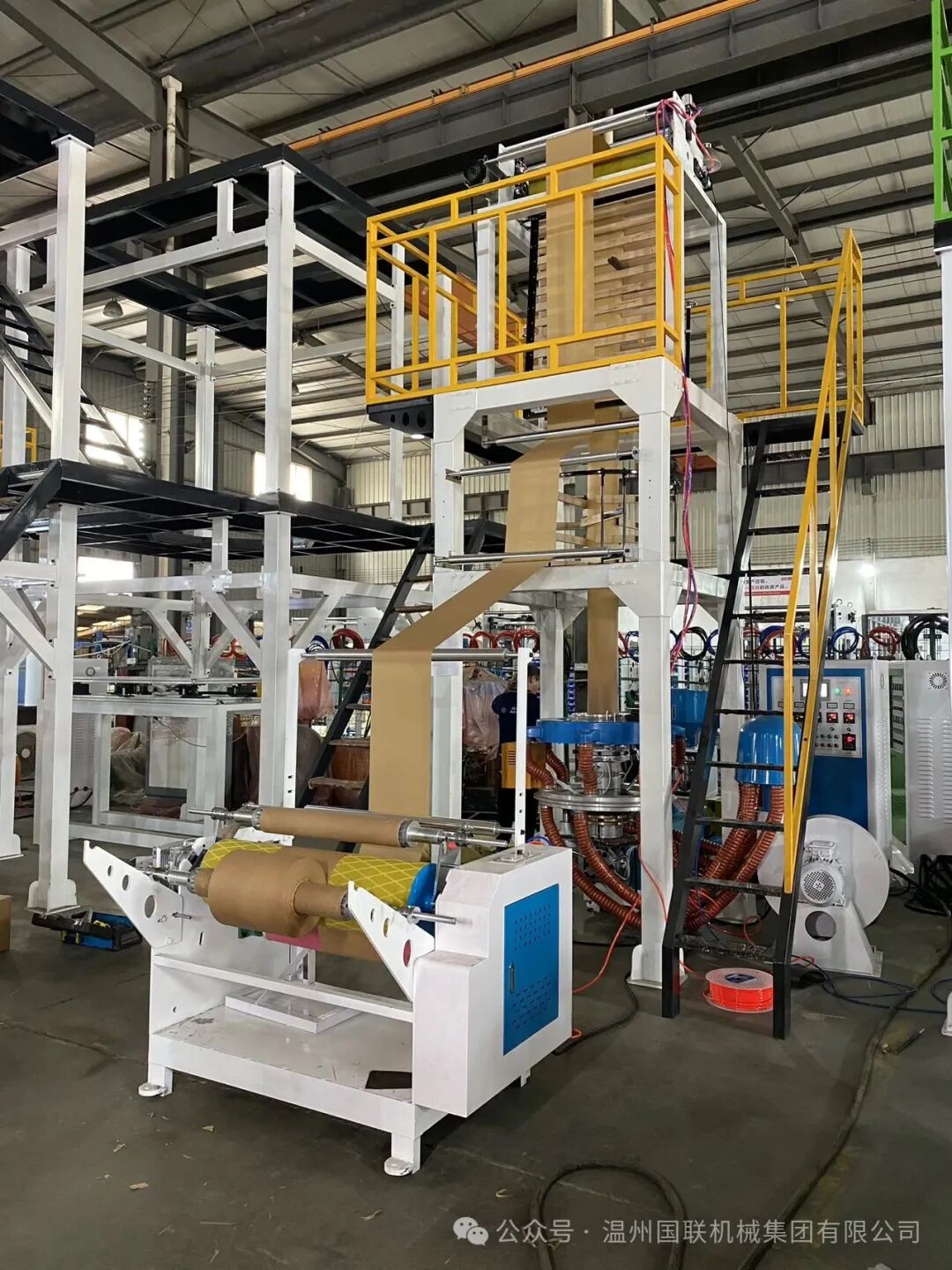
In terms of processing, PLA is compatible with most plastic film production equipment, ensuring stable mass production and ample supply.
The material itself is compostable; in industrial composting environments at temperatures above 55°C, it fully decomposes into carbon dioxide and water within several months, leaving no microplastic residue. Pure PLA film tends to be brittle and has relatively low toughness. Therefore, it is typically blended with other flexible biodegradable materials in the industry to improve handling properties.
2. PBAT Biodegradable Film
PBAT, or polybutylene adipate terephthalate, is a fully biodegradable polyester material and the core raw ingredient for flexible degradable films.
Although derived from petrochemical synthesis, its molecular chain structure can be completely broken down by microorganisms in natural environments, making it an essential material for agricultural films and soft packaging products.
Films made from PBAT offer excellent softness, outstanding tensile and tear resistance, and a tactile feel similar to traditional PE plastic film. They are also cold-resistant, waterproof, oil-resistant, and highly weather-resistant when used outdoors.
These films naturally degrade in normal soil conditions, making them ideal for applications such as mulch films in farmland, single-use shopping bags, food waste bags, and takeout packaging films—scenarios requiring durability under tension and prolonged contact with soil.
However, pure PBAT films have relatively low transparency and insufficient stiffness, so they are rarely used alone. In practice, market-standard products typically blend PBAT with PLA to achieve optimal balance between softness and formability. Once buried in soil, the film gradually disintegrates and ultimately converts entirely into natural organic matter, eliminating the need for manual recycling.
3. Modified Biodegradable Film from Bamboo Fiber
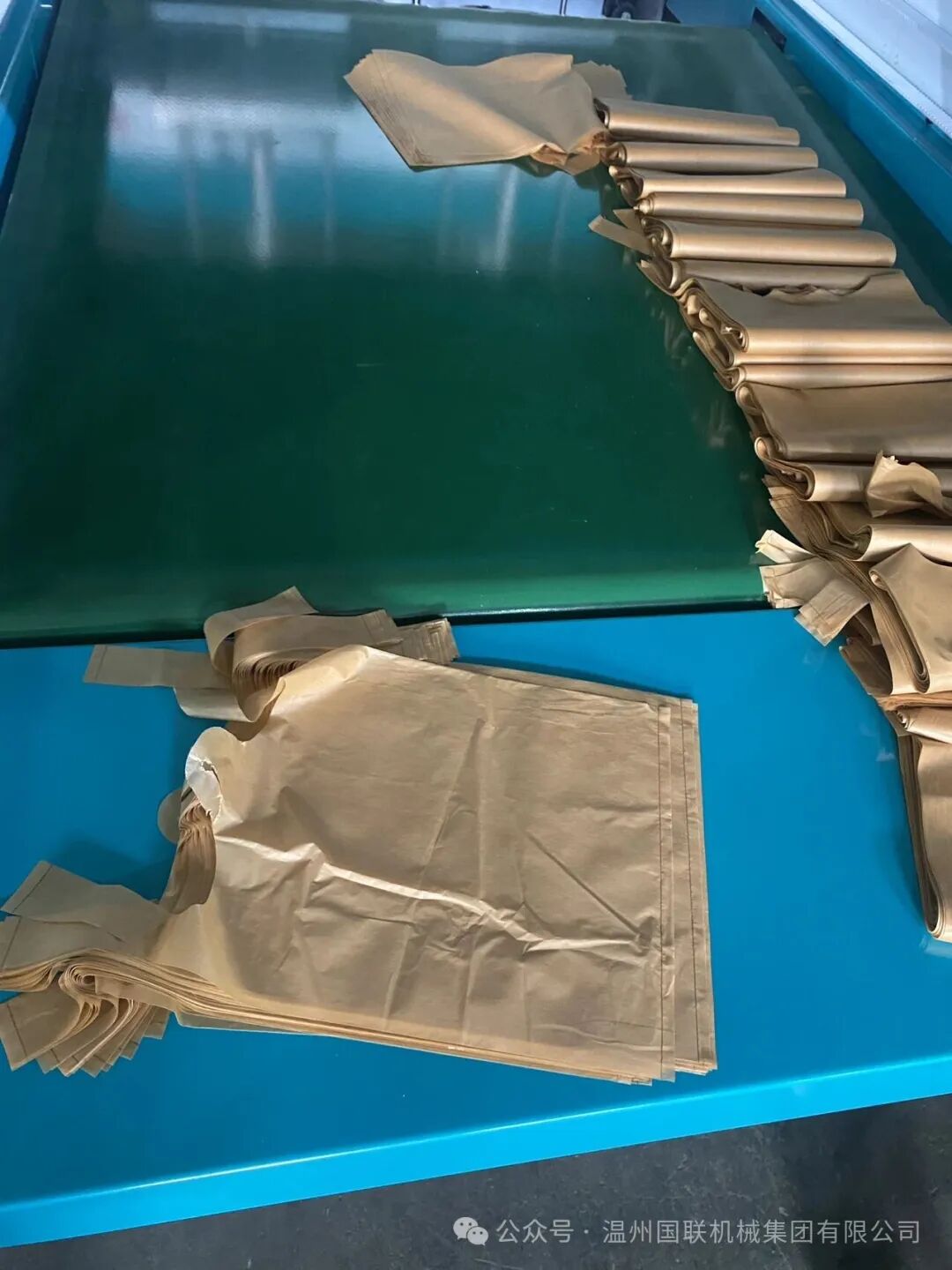
Bamboo fiber biodegradable film is a new type of eco-friendly, natural plant-based composite material developed from waste byproducts of the bamboo processing industry.
The raw materials consist of bamboo shavings and edge scraps, from which ultra-fine bamboo fibers are extracted. These bamboo fiber powders are thoroughly blended with PLA, PBAT base materials, and environmentally friendly plasticizers, then processed into functional composite films.
Bamboo grows rapidly and is renewable; recycling bamboo waste significantly reduces the material's carbon footprint, offering clear advantages in low-carbon and environmental sustainability. The film features a naturally matte texture derived from bamboo fibers, giving it a rustic and distinctive appearance. It also possesses mild natural antibacterial properties, making it highly favored for organic agricultural products and eco-conscious cultural and creative packaging.
This bamboo fiber film meets full biodegradability standards, gradually decomposing without harmful residues whether through industrial composting or burial in soil. Additionally, the lower cost of bamboo fiber raw materials effectively reduces production expenses for packaging products. It is widely used in simple fruit and vegetable sleeves, courier cushioning films, inner packaging for agricultural goods, and specialty eco-friendly carry bags—ideal for single-use, short-term packaging applications. However, due to the hydrophilic nature of natural fibers, the film has relatively weak waterproof performance and is not suitable for long-term storage of wet or high-moisture items.
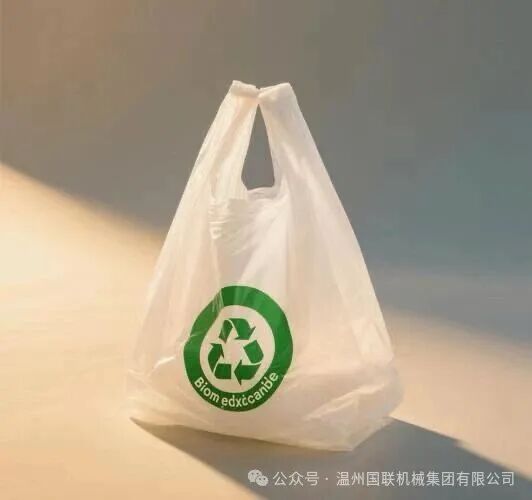 Three types of biodegradable film materials, each suited to different applications based on their raw material properties, have become the mainstream alternatives to traditional plastic films. With continuous advancements in modification and processing technologies, the user experience of biodegradable films continues to improve, making them an important eco-friendly solution for addressing white pollution.