
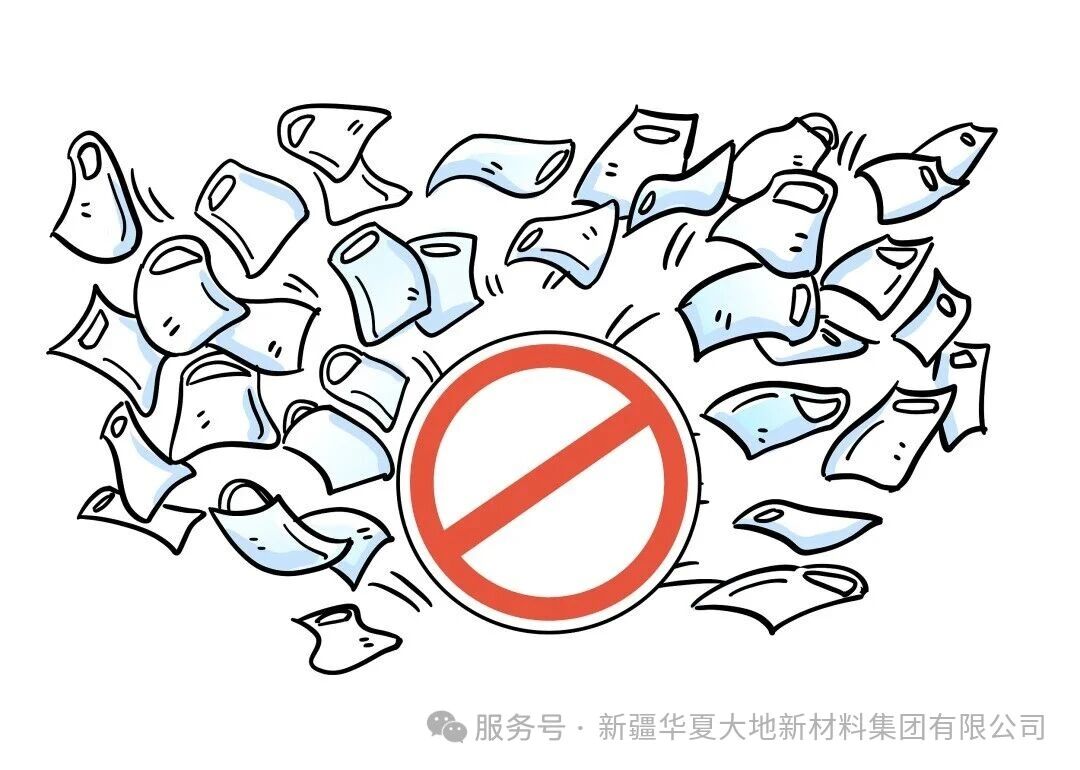
In the public perception, plastic has long been associated with negative labels such as "white pollution" and "environmental sin." Issues like marine debris, microplastic contamination, and ecological invasion have solidified the widespread belief in banning or restricting plastic use. However, most people only see the environmental drawbacks of plastic, overlooking its irreplaceable role as a core material in modern industry—and missing the ongoing, transformative decarbonization revolution currently reshaping the plastics sector.
As a fundamental material spanning packaging, automotive, construction, healthcare, and other sectors, global plastic production exceeds 400 million tons annually, with 99% relying on fossil feedstocks such as oil and natural gas. From raw material cracking and manufacturing to waste disposal, the entire plastic industry chain generates substantial carbon emissions, essentially forming a central "carbon chain" that runs through the industrial system.
As a result, plastic decarbonization has long moved beyond mere environmental concerns to become a central arena in global carbon neutrality efforts, international trade competition, and industrial upgrading. Entering 2026, global policies, markets, and technologies are accelerating simultaneously, with three pivotal turning points fundamentally reshaping the plastics industry landscape. Understanding these shifts is key to grasping the future trends and business opportunities within the sector.
Innovating at the source, raw materials completely break free from fossil fuel dependence
The core source of plastic decarbonization lies in the raw materials, which also represents the most fundamental low-carbon advantage of PLA over traditional plastics. Conventional plastics such as PE, PP, and PET entirely depend on petroleum and natural gas cracking feedstocks, releasing several tons of carbon dioxide for every ton of plastic produced—emissions that are irreversible and cannot be offset.
PLA (polylactic acid) completely breaks free from dependence on fossil resources, using biomass such as corn, cassava, sugarcane, and crop straw as core raw materials. Through microbial fermentation, lactic acid is produced and then polymerized into a high-performance polymer material. It is one of the few industrial plastics globally capable of achieving full lifecycle carbon neutrality. As plants absorb and sequester carbon dioxide during growth, this offsets carbon emissions generated during PLA production and use, forming a natural biological carbon cycle that fundamentally disrupts the high-carbon foundation of the plastic industry.
Compared to conventional bio-based plastics, the PLA raw material system is more mature and versatile. It can be produced not only from food grain starch but also from agricultural waste cellulose, significantly alleviating the industry's challenge of competing with food crops for arable land. As global carbon prices continue to rise and raw material costs increasingly internalize carbon emissions, PLA's advantage in zero-carbon feedstocks is gradually translating into tangible cost and trade advantages, making it a core choice for replacing traditional high-carbon plastics.

Process decarbonization
In addition to its natural advantages in raw materials, PLA is further widening the carbon gap with traditional plastics through process upgrades. Traditional plastic production involves high-energy consumption and high emissions during polymerization and modification stages, and even with later process optimizations, it remains difficult to escape the high-carbon nature of fossil fuels. In contrast, PLA's low-carbon transformation focuses on refined bio-fermentation and full-process replacement with green electricity, significantly reducing carbon emissions at the production stage.
Currently, leading domestic PLA production bases have fully transitioned to clean energy, replacing traditional thermal power with wind and solar green electricity across the entire production chain—including fermentation, purification, and polymerization. Meanwhile, the industry continues to advance low-temperature fermentation and high-efficiency purification technologies, significantly reducing energy consumption. Data shows that PLA products powered by green electricity have a carbon footprint of only 15%–20% over their full lifecycle compared to conventional petrochemical plastics, demonstrating an exceptionally strong low-carbon advantage.
With the expansion of the EU's CBAM carbon tariff and the implementation of global mandatory product carbon footprint disclosure policies, PLA's low-carbon production advantages have become a key competitive barrier for export-oriented enterprises. Numerous companies exporting packaging materials, daily necessities, and medical consumables are now fully replacing traditional plastics with PLA to comply with international carbon regulations and avoid carbon tariff costs.

Continuous implementation, chemical recycling solves the problem of end-of-pipe emission reduction.
For a long time, the biodegradable plastic industry has been plagued by numerous controversies: some materials can only degrade under specific conditions, their degradation in ordinary environments is inefficient, the recycling rate is low, and the emission reduction effect is exaggerated. However, PLA has completely addressed the industry's pain points through a dual model of industrial composting degradation and chemical closed-loop recycling, making plastic decarbonization from a "concept" become a "practical reality".
On the one hand, PLA has excellent biodegradability. Under industrial composting conditions, it can completely decompose into carbon dioxide and water, leaving no residues or pollution. This effectively eliminates the problems of white pollution and microplastics, and perfectly suits short-term usage scenarios such as food delivery packaging, courier consumables, and disposable daily items. It solves the plastic pollution problem from the end.
On the other hand, the PLA chemical recycling technology has achieved a breakthrough in scale, becoming a key increment for the industry's decarbonization. Domestic industrialized enzymatic and alcoholysis recycling facilities have been put into operation, which can efficiently convert waste PLA into high-purity lactic acid monomers and caprolactone raw materials. The material recovery rate exceeds 90%, and it can be re-polymerized to produce new high-quality PLA products. This "biological synthesis - end use - chemical regeneration" full closed-loop model completely breaks the high-carbon model of traditional plastics "used and then discarded", and also addresses the shortcomings of ordinary degradable materials that cannot be recycled or have unstable degradation.
Compared with the low-quality recycled materials obtained through traditional mechanical recycling, chemical recycling of PLA can achieve infinite recycling without degradation of quality. By 2030, the global recycling capacity of PLA will witness an explosive growth, becoming the core increment in the low-carbon plastic sector.

The underlying logic of decarbonization
The acceleration of carbon reduction in the plastic industry is not driven solely by environmental protection concepts. Instead, it is the inevitable outcome of global policy constraints and market pressure. It is a core transformation that concerns the survival of enterprises and the reshaping of the industry landscape.
At the policy level, the global carbon regulatory system continues to tighten. The EU's CBAM (Carbon Border Adjustment Mechanism) has been continuously expanded, and industry experts predict that plastic products will officially be included in the taxation scope around 2026, with the carbon emissions of export enterprises directly linked to trade costs. Japan has launched the "Carbon Neutral Plastic" strategy, clearly setting a hard target of 60% of renewable raw materials by 2030. The domestic "Green and Low-Carbon Development Roadmap for the Plastics Industry" has been officially implemented, establishing three core development directions: bio-based raw materials, chemical recycling, and energy efficiency improvement. At the same time, many countries such as the United States, Japan, and South Korea have fully implemented the carbon footprint accounting for the entire life cycle of plastics, achieving full traceability and quantitative control of carbon emissions throughout the entire chain from raw materials to waste disposal.
At the market level, low-carbon has shifted from being a brand promotion slogan to a mandatory cooperation clause. Global leading brands such as Coca-Cola, Unilever, and IKEA have all incorporated low-carbon plastics and renewable packaging into their supply chain assessment standards. Suppliers that fail to meet the carbon reduction requirements will be directly removed from the supply chain system. The rigid demand in the terminal market is forcing the entire value chain to accelerate its decarbonization transformation.

PLA decarbonization is not a greenwashing tactic; it is an industry necessity.
The rapid spread of PLA at present is not merely driven by environmental concerns, but rather is the inevitable outcome of global policy constraints and market demands at the end of the supply chain. It represents the core trend of the plastic industry's evolution.
On the policy front, the "Green and Low-Carbon Development Roadmap for the Plastics Industry" in China has clearly designated bio-based degradable materials as a core development direction, and has focused on supporting the industrialization and recycling technology of PLA. The European Union, Japan, and South Korea have continuously tightened their plastic carbon emission standards. It is expected that plastic products will be included in the CBAM carbon tariff system in 2026, causing the export costs of high-carbon traditional plastics to rise significantly. In contrast, low-carbon PLA products can enjoy extremely low costs, highlighting their trade advantages.
Future Outlook
In the past, the plastic industry competed based on price and production capacity; in the future, it will compete on carbon footprint, recycling ability, and low-carbon technologies. PLA, as the core carrier of carbon-neutral plastics, is redefining the competitive logic of the entire industry.
For China's industries, China is the world's largest producer of PLA, with a complete raw material, production, and recycling industrial chain system. This is one of our few advantageous sectors in the global competition for low-carbon plastics. Companies that have made early preparations for the substitution of PLA materials, carbon footprint accounting, and recycling systems will seize the benefits of the future trillion-dollar low-carbon plastic market and gain control over global trade rules.
In conclusion, the decarbonization revolution in the plastic industry is essentially an iterative revolution from fossil-based plastics to biobased circular plastics. And PLA is the core protagonist in this industry reshuffle. Understanding the three major decarbonization turning points of PLA is equivalent to understanding the turnaround path of the plastic industry from its high-carbon past to a low-carbon future.