


Enterprises engaged in the production, processing, and modification of polylactic acid (PLA) are already well familiar with the national standard GB/T 29284. Following the official implementation of GB/T 29284-2024, the “volatile matter content” item from the 2012 edition has been directly removed and replaced by a new control parameter: “lactide content ≤ 0.5%.”
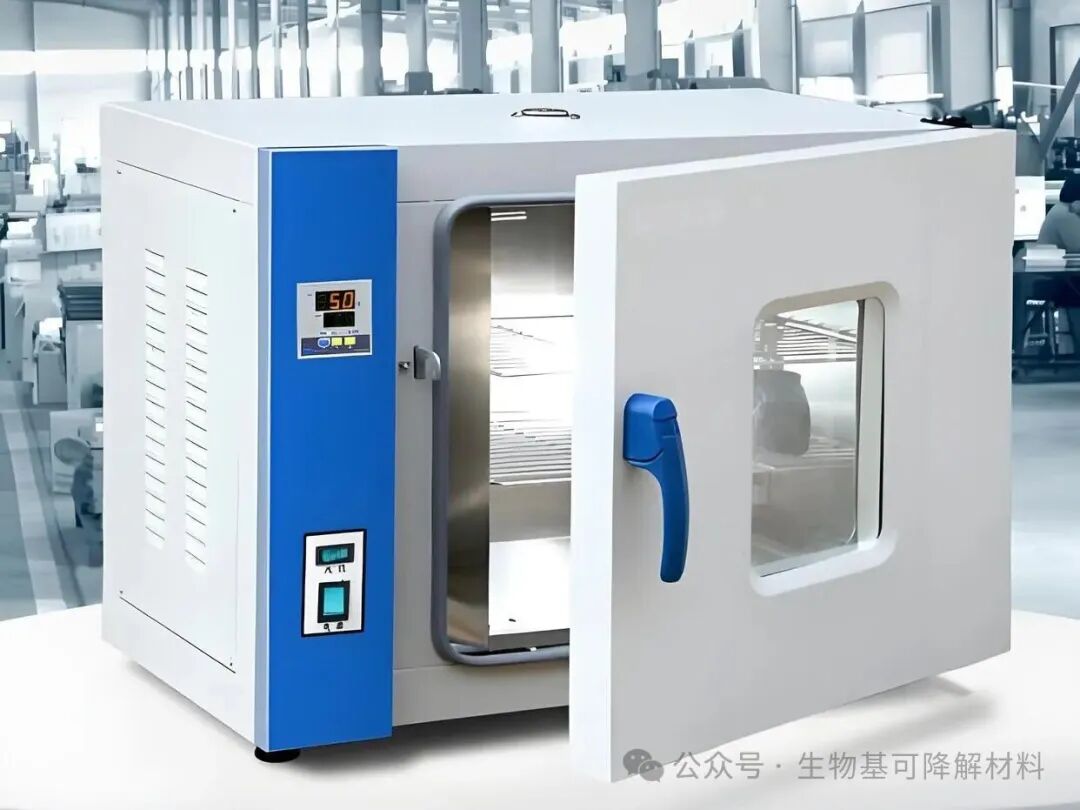
The old standard allowed simple and inexpensive testing of volatile substances by simply drying in an oven; the new standard, however, requires gas chromatography to measure lactide, significantly raising the testing threshold.
There is also a practical contradiction: one-step direct condensation PLA from lactic acid contains almost no lactide but has high levels of low-molecular-weight volatiles; meanwhile, modified materials with added antioxidants or lubricants may meet lactide requirements but exceed total volatile limits.
Is this revision of the standards truly a step toward industry standardization and improvement, or is it placing an additional burden on small and medium-sized enterprises?
Image
Volatile substances ≠ lactide content; the two cannot be used interchangeably. Image
1. Old method: Volatile matter content (oven-drying method)
Definition: The total mass percentage of all components that volatilize upon heating at a specified temperature, representing the sum of all volatile substances without distinction of their types.
Comprises three types of components:
Residual lactide dimer from raw materials (the main source of volatility in two-step PLA);
Lactic acid and low-molecular-weight oligomers of lactic acid (primary volatile compounds in one-step direct condensation PLA);
Processing additives: low-molecular-weight antioxidants, lubricants, plasticizers, and small-molecule degradation products.
Testing method: Constant weight measurement using vacuum oven or rapid moisture analyzer—physical weight loss approach. Low equipment cost, easy operation with no specialized personnel required.
Limitations: Only provides total content; cannot identify the core impurities that actually affect PLA processing performance.
2. New version: Lactide content (quantified by gas chromatography GC method)

Definition: Quantifies only the residual amount of the key intermediate in PLA synthesis—cyclic dimer lactide—with precise measurement targeting a single compound.
Detection method: Sample dissolved in organic solvent, separated by gas chromatography and quantified using external standard calibration; chemically specific detection enables accurate differentiation between lactide and other volatile small molecules.
Limitation: Only controls lactide; no constraints on other volatile small molecules such as additives or lactic acid oligomers.
Image
The discrepancy between the two types of raw materials, as measured, clearly reflects the difference in indicators. Image
Scene 1: One-step direct polycondensation of lactic acid to produce PLA
The process bypasses the lactide synthesis step, resulting in extremely low lactide content that fully meets the national standard requirement of ≤0.5%.
However, the system contains a large amount of lactic acid and short-chain oligomers, causing the volatile substance content measured in oven tests to far exceed 0.5%.
Under the new standard, the product is deemed合格 (qualified), but under the old standard, it fails due to the volatile matter specification—resulting in completely opposite assessment outcomes between the two standards.
Scenario 2: Two-step lactide ring-opening PLA with blended small-molecule additives
The pure pellet lactide content is controlled within 0.3%, meeting the standard;
After modifying with low-molecular-weight antioxidants and lubricants, the total weight loss in high-temperature oven increases, resulting in excessive total volatile matter, while the lactide level remains within specification.
Scene 3: Conventional Two-Step Pure PLA Pelletizing
Without additional additives, the volatiles are almost entirely derived from lactide. In this case, the volatile content is approximately equal to the lactide content, and the results of new and old evaluation criteria are consistent.