
The term "degradable" has become almost a traffic magnet for plastic products today. But as we previously mentioned in an article, the environmental benefits of many degradable plastics are actually a one-sided illusion—a false premise. The carbon footprint of PBAT and PBS is 2.6 times higher than that of conventional plastics; less than 0.007% of discarded degradable plastics in China actually enter industrial composting systems, while over 96% end up being incinerated or landfilled. Moreover, when mixed into traditional recycling streams, they can reduce the purity of recycled plastics.
So the question arises: if biodegradable plastics have so many flaws, why are they still being supported as a green industry in our policies? Meanwhile, on the other side of the globe, the European Union has taken an almost indifferent stance toward biodegradable plastics. Behind this contrast lies a clash between two fundamentally different governance logics.
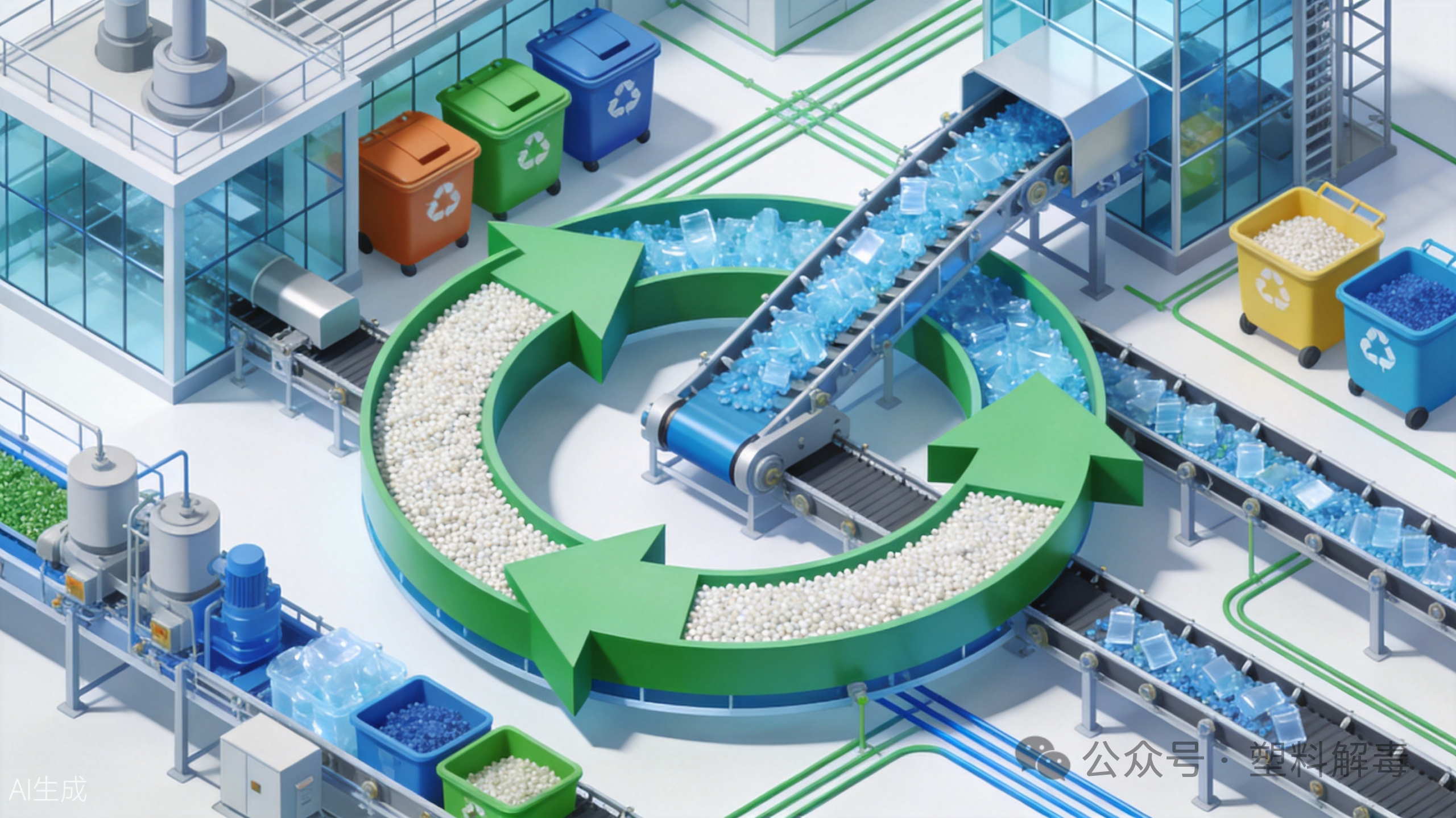
EU: Prioritize "circularity" above all, biodegradability is merely a last resort
In the EU Taxonomy for Sustainable Finance, "circular integrity" is placed at the highest level of resource management. Based on rigorous material flow logic, the EU views biodegradable plastics as seemingly completing a natural cycle by ultimately turning into carbon dioxide and water. However, this process actually results in the complete loss of material value from industrial circulation—these materials are neither recycled nor regenerated, but instead directly "reset to zero." This represents a "linear" model, not a true "circular" economy.
Therefore, the EU has adopted an extremely cautious and restrictive stance toward biodegradable plastics. Under its technical screening criteria, biodegradable plastics are permitted only as a "fallback option" for a very limited number of scenarios where mechanical recycling is unfeasible—such as tea bags, fruit labels, and ultra-light shopping bags that are genuinely difficult to recycle. Meanwhile, the EU's Packaging and Packaging Waste Regulation (PPWR) is mandating "recyclable design" and setting targets for recycled content, establishing a closed-loop system driven by design from the source to systematically enhance the efficiency of plastic resource recycling.
Within the EU's circular economy system, the widespread use of biodegradable materials could disrupt the existing, well-established and highly efficient mechanical recycling chain—recycled material contaminated with biodegradable plastics may directly degrade in quality or even become unsuitable for reuse. Therefore, under the EU's green finance framework, a biodegradable plastic project must demonstrate that it operates within specific scenarios not covered by mechanical recycling to qualify as "green." In general applications, even if a material possesses degradability, it is unlikely to be recognized as making a "substantial environmental contribution."
China: Viewing "substitution" as a key pathway, advancing biodegradables and recycling in parallel
Compared to the EU's relatively pure circular economy logic, China has adopted a more open policy stance toward biodegradable plastics under its current governance framework. In the "Green Finance Support Project Catalogue (2025 Edition)" released in June 2025, the production of biodegradable plastics and bio-based materials was explicitly included within the scope of green industry support, aiming to alleviate end-of-pipe management pressures through multiple measures.
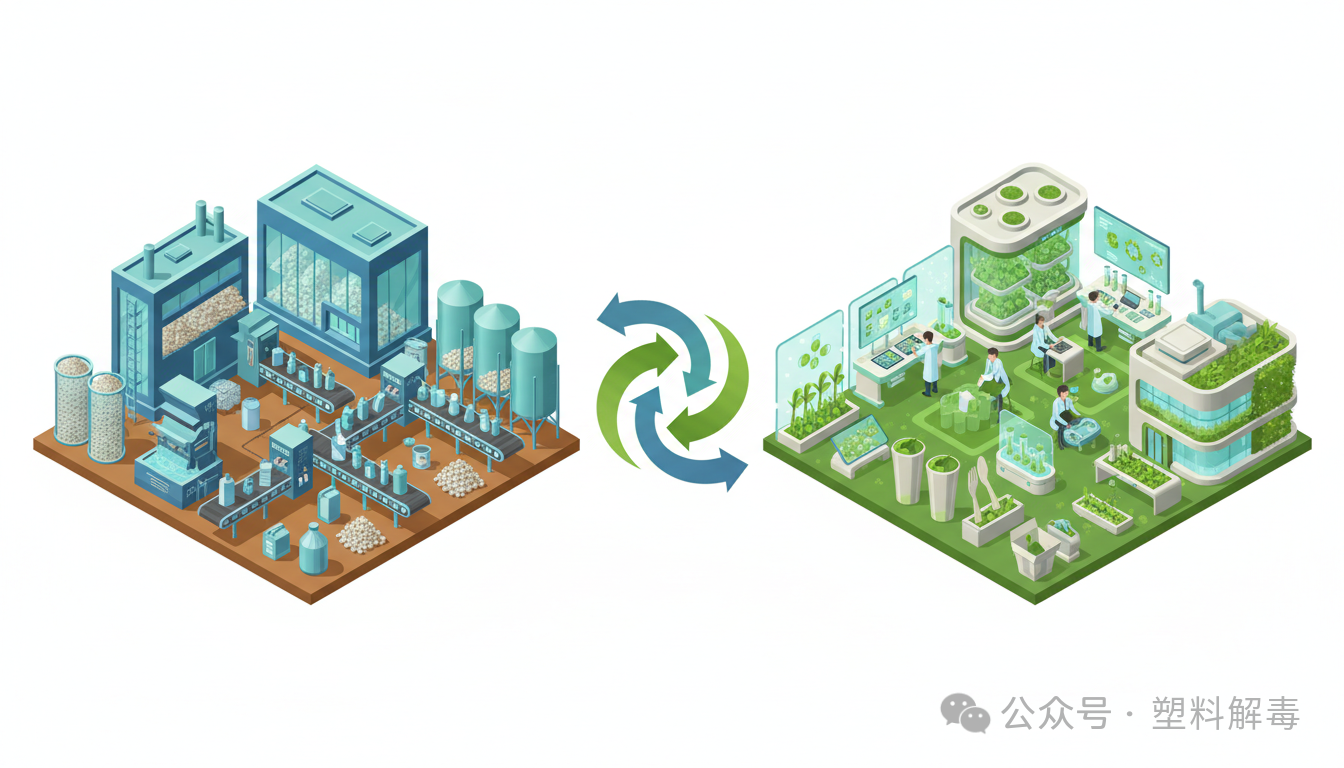
The underlying reason is that China faces a large-scale, complex campaign to address plastic pollution across the entire supply chain. Waste management should follow a systematic approach of "source reduction, recycling, end-of-pipe control, and risk prevention"—while strongly advancing mechanical recycling as the main pathway, it also allows for material innovation to enable source substitution in specific hard-to-recycle scenarios. Therefore, Chinese policies have left considerable room for development, viewing this as a diversified governance strategy with shared risks across industries, rather than a mainstream alternative to recycling.
In terms of financial support, the policy differences between China and the European Union are particularly evident. The EU's green capital exhibits a strong "closed-loop preference," favoring circular systems designed for recycling and high-value utilization of recycled materials. In contrast, China's green finance policies demonstrate greater "diversity," supporting traditional circular economy initiatives while also maintaining reasonable financial access channels for biodegradable alternatives and end-of-pipe solutions to plastic pollution. This reflects the differing considerations each country has regarding the boundaries of "substantive contribution," shaped by their respective stages of development and governance challenges.
Two logics, one goal
In fact, China and the EU share the same goal: curbing plastic pollution and promoting a green, low-carbon transformation of the plastics industry. The difference lies in "how to do it." The EU opts for building a closed-loop system first, maximizing recycling efficiency and treating biodegradables merely as supplementary solutions for niche scenarios not covered by mechanical recycling—reflecting its priority on systemic circularity. China, on the other hand, pursues multiple pathways simultaneously, advancing both recycling infrastructure and alternative materials, aiming to address plastic challenges through diverse approaches.
However, it is important to emphasize that policy openness should never equate to blind enthusiasm for biodegradable materials. Although biodegradable materials have been included in relevant financial support lists, their actual ecological impact remains subject to long-term observation. On one hand, the limitations of biodegradable plastics—particularly regarding carbon footprint reduction and performance under stringent degradation conditions—are still evident. On the other hand, we must remain highly vigilant against the tendency toward simplistic substitution at the implementation level. Without strict sorting and disposal mechanisms in place, the uncontrolled influx of substitute materials could easily mix into existing mechanical recycling systems, compromising the quality of recycled materials and even causing substantial negative impacts on the development of core circular economy infrastructure.
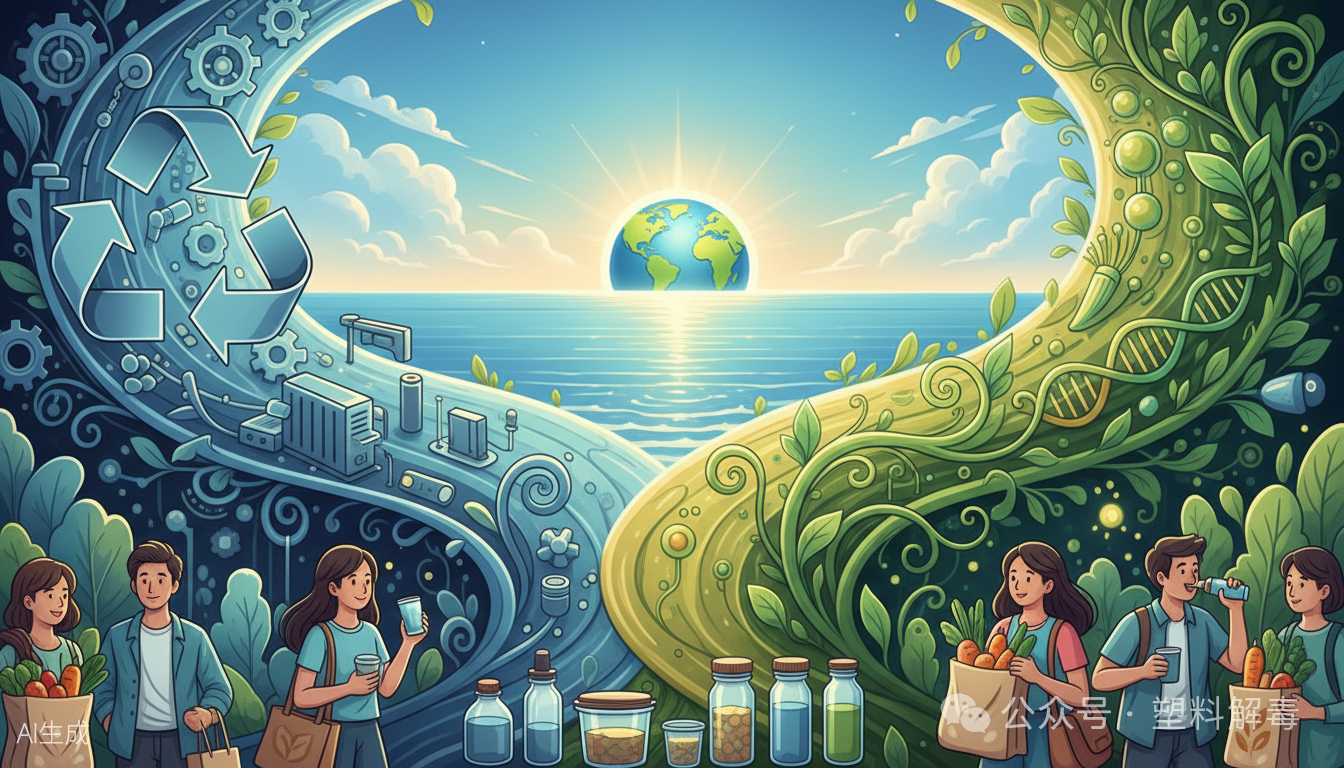 Whether it is the cautious closed-loop approach of the European Union or the multi-faceted exploration of China, the ultimate solution to plastic pollution is not "finding more environmentally friendly disposable alternatives", but rather reducing the consumption of disposable plastics through source reduction and reuse.