
On August 15th, the "Ecological Environment Law Code of the People's Republic of China" came into effect. The plastic restriction policy that had been in place for many years has now bid farewell to the soft suggestions and has been upgraded to a law with nationwide uniform enforcement effect. For enterprises in the upstream and downstream of disposable plastic products, this is not a simple policy adjustment; it is a compliance reshuffle for the entire industry, and the era of extensive operation has come to an end completely.
Many bosses are most concerned about a core issue: Will the new regulations completely prohibit the production of disposable plastics, or will it merely impose stricter regulations while allowing normal production and sales as before?
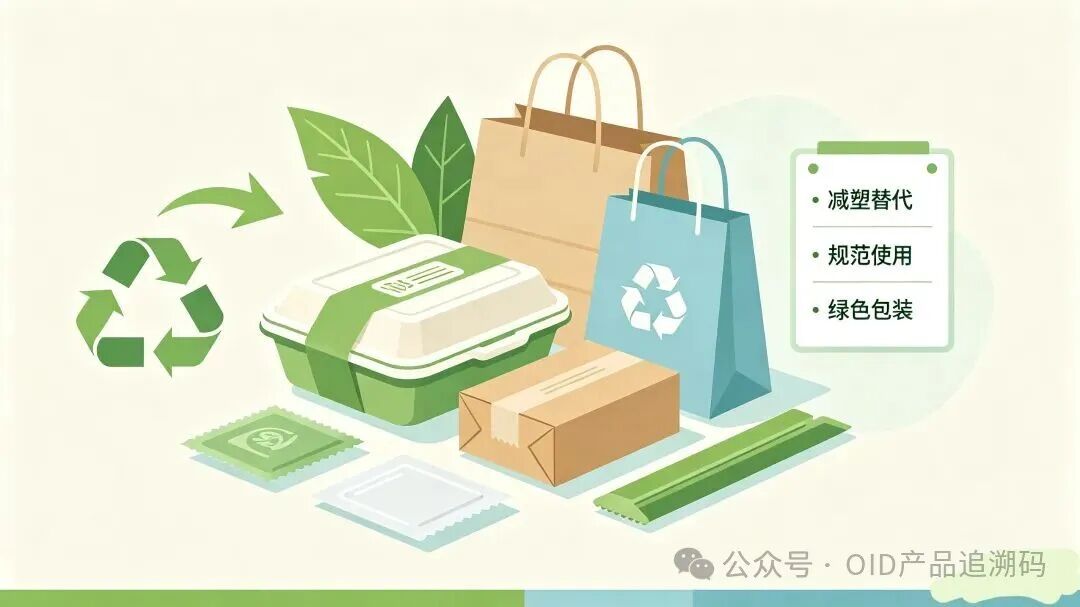
Here, I will present the most straightforward and accurate official statement: It is not a blanket ban but a dual-track model of "prohibiting prohibited categories + regulating compliant categories". The law clearly stipulates that the state legally prohibits and restricts the production, sale, and use of non-compliant and non-degradable disposable plastic products. Products such as ultra-thin plastic bags and foam plastic tableware listed in the control list are strictly prohibited from production and sales; while compliant and recyclable disposable plastic products that meet national standards can still be normally operated and produced, but they must undergo strict supervision throughout the entire process and chain, and will no longer be produced or circulated at will.
In simple terms: Inferior and prohibited plastics will be completely eliminated, while compliant plastics will undergo reduced production, improved quality, and standardized operation. At the same time, supermarkets, food delivery services, courier companies, and e-commerce platforms need to regularly register and report the usage and recycling ledgers of plastic products. Hotels and guesthouses are not allowed to actively provide disposable plastic toiletries. The industry's norms will be comprehensively tightened.
After the new regulations were implemented, the operational pain points of the entire one-time plastic industry were fully exposed. All kinds of large, medium and small production, distribution and terminal enterprises were facing real operational difficulties.
Firstly, it was difficult to ensure product compliance. The market was filled with various degradable products, and a large number of fake and non-compliant products were mixed in. When enterprises were purchasing and producing, it was difficult to distinguish them with the naked eye. Once they entered the market, both upstream and downstream would face the risks of rectification and penalties. Secondly, the burden of record-keeping was heavy. The legal code required full traceability throughout the process. Traditional paper-based records were prone to loss and the reconciliation process was chaotic. Manual registration was extremely inefficient and it was very easy to have compliance loopholes during regulatory checks.
In addition, the product flow could not be tracked. There were no records for the distribution, terminal use and waste recycling after production. When there were compliance issues, it was impossible to accurately trace and locate the source. At the same time, the compliance costs for enterprises continued to rise. They had to update products, optimize processes, and build a record-keeping system. The compliance pressure on small and medium-sized enterprises increased sharply.
Facing the new challenges brought by the legal code, one-time plastic product enterprises do not need to passively bear the pressure. They can actively break through the situation through a four-step compliance plan and smoothly adapt to the requirements of the new regulations.
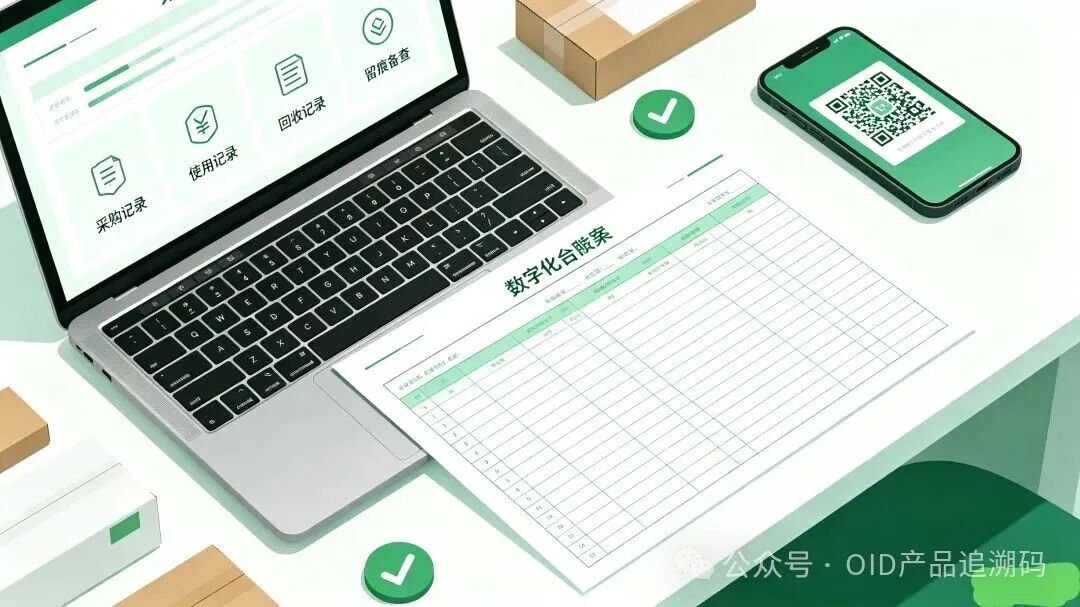
First, review the product structure, quickly eliminate prohibited categories and recyclable plastic products, and complete product iteration and upgrading. Second, strictly control the supply chain, verify the qualifications of upstream raw materials and test reports, and prevent non-compliant products from flowing in at the source. Third, improve the digital ledger system, replace traditional paper records, and realize real-time retention of procurement, production, warehouse out, and recycling data. Fourth, solidify the compliance process, incorporate material verification, flow registration, and data archiving into daily operations, ensuring full traceability, traceability, and evidentiability throughout the process.
In this compliance system, the product traceability system becomes the core tool for enterprises to reduce costs and mitigate risks, perfectly addressing the majority of compliance pain points in the industry.
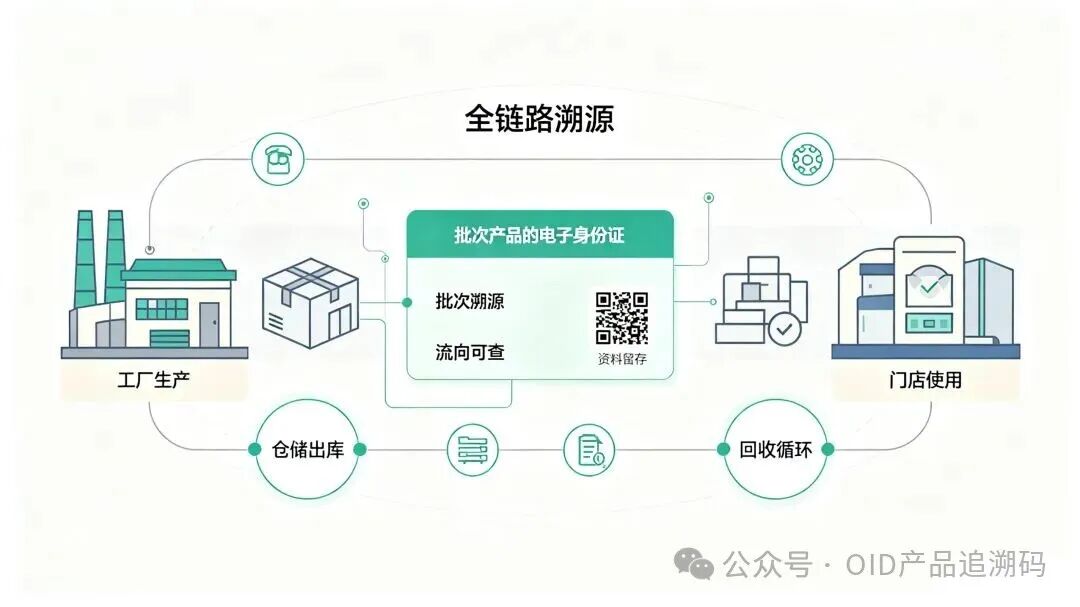
Assigning an exclusive traceability code to each batch of plastic products is equivalent to issuing a unique electronic ID card for the products. Enterprises can input all the information such as raw material sources, production batches, quality inspection reports, compliance qualifications, outbound flows, and distribution records into the system. All data is encrypted and recorded, and cannot be tampered with. Downstream purchasers can scan the codes to quickly verify the product's compliance, easily distinguish between genuine biodegradable products and inferior counterfeit products, and enhance market trust.
At the same time, the traceability system can generate a complete business ledger in one click, completely eliminating the problems of chaotic, lost, and difficult-to-account-for paper-based documents. During regulatory checks, relevant information can be retrieved at any time and used as evidence quickly, perfectly meeting the compliance requirements of full traceability throughout the process. From production and factory release, circulation and distribution to end use and waste recycling, a complete traceability chain is established. Once a compliance issue occurs, the relevant link can be quickly located and precise rectification can be carried out to avoid associated risks.
It is necessary to objectively state that the traceability system is a digital tool that helps enterprises operate in compliance and reduce the cost of risk control. However, it cannot replace the legal obligations of enterprises. Enterprises still need to strictly abide by the relevant regulations of the legal code and standardize their production and business behaviors.
The standardization and greening of the industry have become an irreversible trend. Under the strict supervision of the environmental protection legal code, the model relying on information gaps and extensive operations will be completely eliminated. Actively embracing digital traceability and improving the full-process compliance system is not only a necessary demand to cope with new regulations but also the core competitiveness for the long-term stable operation of plastic product enterprises.