

The beautiful natural ecosystem is continuously deteriorating. The soil, water sources and air are constantly being eroded, biodiversity is under threat, and our health and quality of life are also facing severe challenges. Protecting the environment and curbing pollution have reached an urgent point that cannot be delayed.
The green earth is the common home of all human beings. A good ecological environment is the prerequisite and foundation for all survival and development. In today's society, which is experiencing rapid growth and where technology is advancing rapidly, plastic products have penetrated into all aspects of production and life due to their advantages such as lightness, durability, and low cost. However, the excessive use and random disposal of disposable products like plastic shopping bags, disposable tableware, takeout packaging, and straws have led to an alarming "white pollution", which is regarded as the number one enemy of the current ecological environment and causes long-term and difficult-to-repair environmental damage.
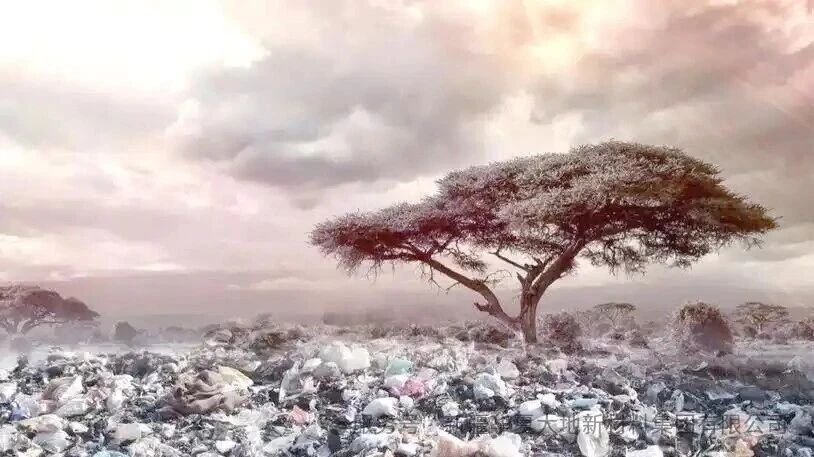
The shocking plastic environmental crisis
Each year, the global production of plastic increases by approximately 438 million tons, which is equivalent to the weight of over 43,300 Eiffel Towers. Such a huge amount of plastic production not only greatly facilitates modern life but also consumes a large amount of petroleum resources, exerting an unbearable pressure on the ecological environment.
Research shows that on average, humans ingest approximately 5 grams of plastic particles through drinking water, food, and air each week, which is roughly the weight of a credit card. The sources of microplastics are widespread in daily life: decomposition of plastic products, washing of synthetic fiber clothing, tire wear, aging of packaging, etc. These tiny particles enter the food chain and accumulate continuously, eventually entering the human body. Existing studies have shown that some chemicals in plastics may pose potential hazards to the human endocrine system, immune system, and nervous system, and may also affect digestive tract health and nutrient absorption, bringing long-term health risks.
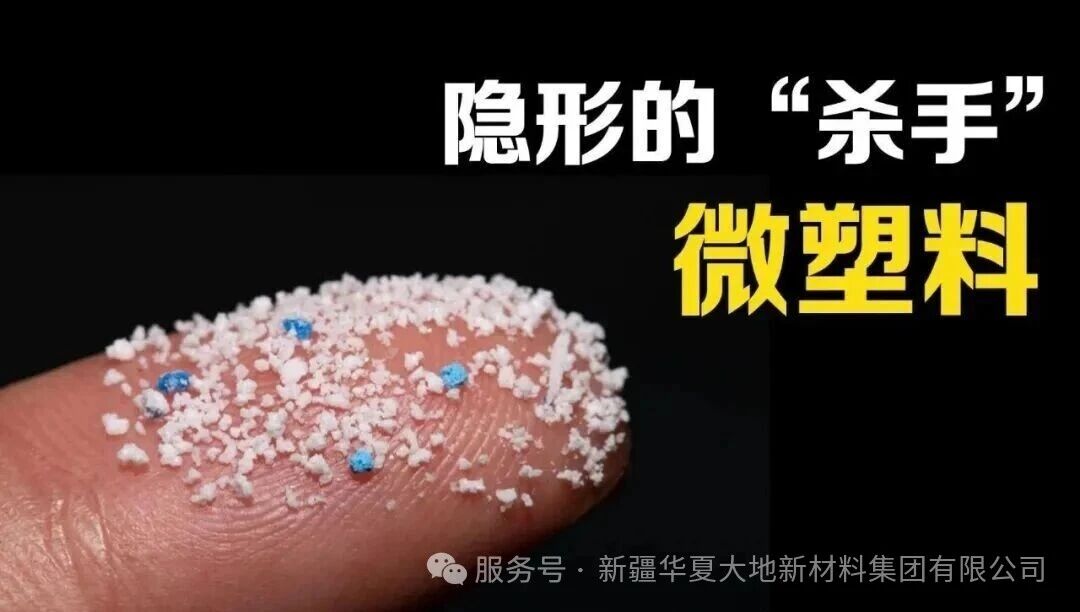
Nearly 80% of global plastic waste is ultimately disposed of through simple landfilling, open-air stacking, or random dumping, making it difficult to achieve effective recycling and harmless disposal. Ordinary plastics are extremely difficult to degrade in the natural environment and often take hundreds or even thousands of years to completely decompose. During this process, plastics continuously release harmful substances, polluting the soil and groundwater, damaging the soil structure, and affecting the ecological environment and living conditions of farmlands.
Every year, approximately 51 million tons of plastic waste flow into land, rivers and oceans, equivalent to the weight of 8 Great Pyramids of Giza. A large number of wild animals get injured or die due to eating plastic or getting entangled in it, causing severe damage to biodiversity and even putting some species at risk of extinction.
Plastic production is highly dependent on fossil energy sources such as oil and natural gas. From raw material extraction, polymer processing to final product manufacturing, a large amount of greenhouse gases are emitted throughout the entire process. The plastic industry has become one of the fastest-growing sources of greenhouse gas emissions in the global industrial sector, significantly exacerbating global climate warming.
Be vigilant against the "false degradation" trap
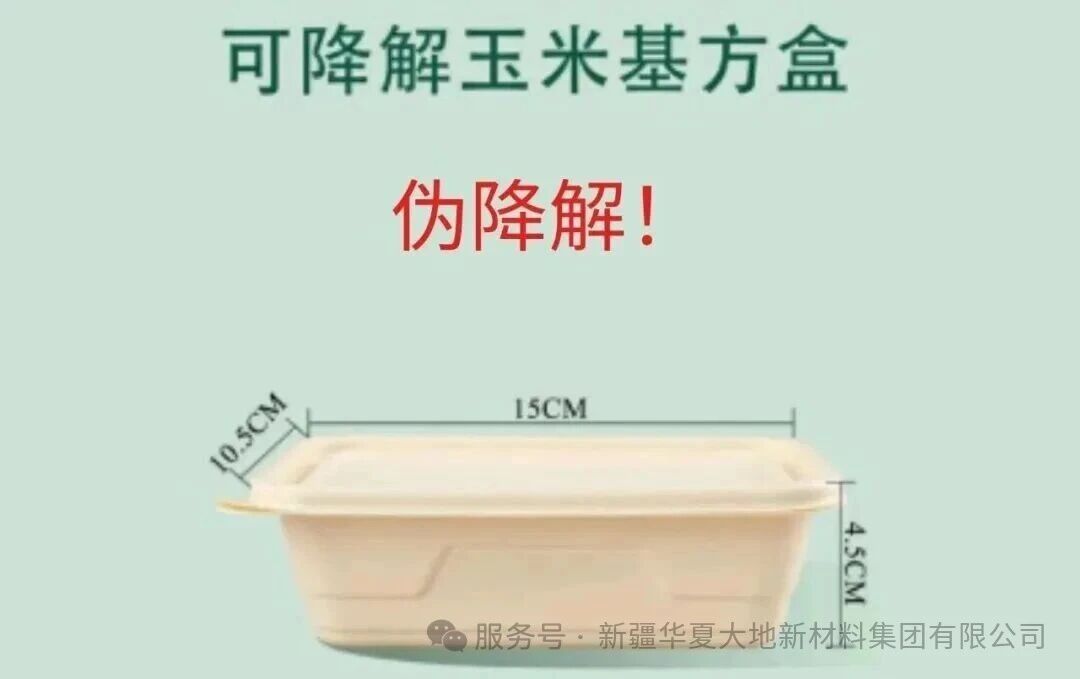
As the plastic ban policy continues to be implemented, many products labeled as "biodegradable" have emerged in the market. However, many of these are actually pseudo-biodegradable plastics, which are highly misleading.
Most pseudo-degradable plastics are made by adding photodegradable agents, oxygen-degradable agents or a small amount of starch to common PE, PP and other petroleum-based plastics. They cannot truly be completely degraded into harmless substances; instead, they will disintegrate into a large number of tiny microplastics under conditions such as light exposure and oxidation. These microplastics are more difficult to be detected and are more likely to enter the soil, water sources and food chain, causing secondary pollution. The difficulty of their treatment is greater than that of traditional plastics.
Fake biodegradable products not only fail to solve the problem of white pollution, but also mislead consumer behavior, making people think they can dispose of them at will, which instead increases the environmental burden. Therefore, recognizing fake biodegradable products and choosing genuine fully biodegradable materials is the correct choice for scientific and environmental protection.
A truly green alternative solution
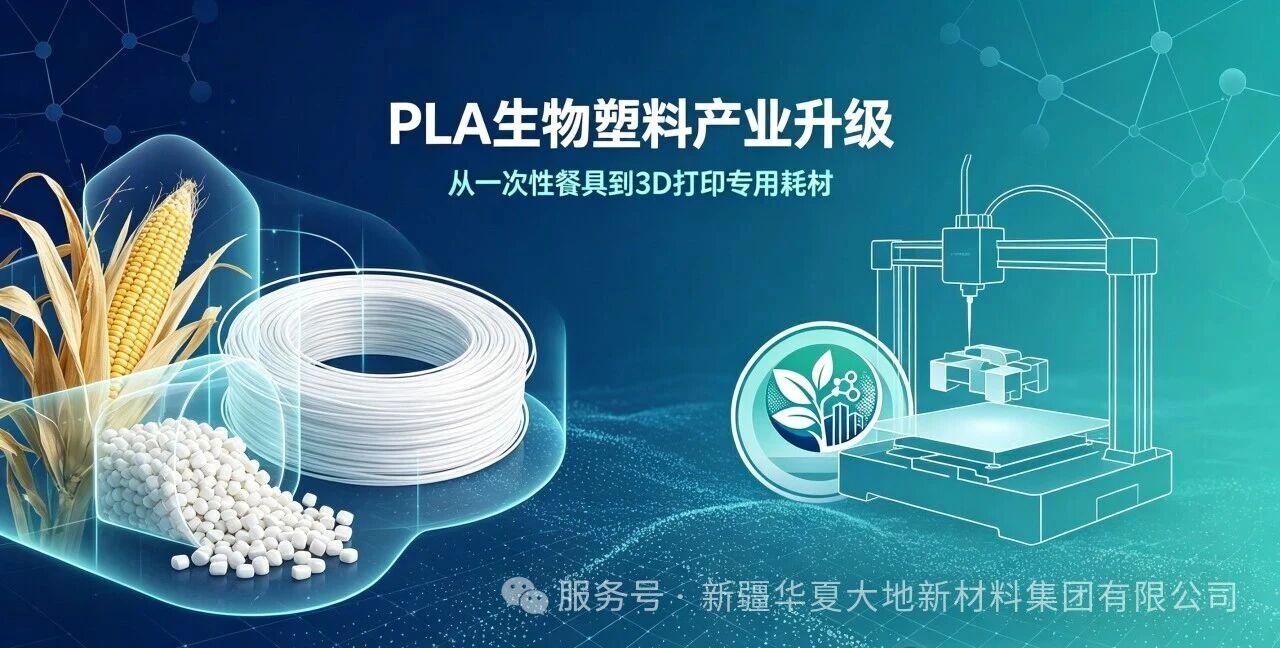
Among various environmental-friendly alternative materials, PLA (polylactic acid) is currently a mature technology, widely applied, and highly environmentally friendly, with significant benefits. It is also an ideal choice for replacing disposable traditional plastics.
PLA is made from renewable plant resources such as corn, sugarcane, and cassava, without relying on petroleum. This way, it reduces the consumption of fossil resources at the source. Under suitable conditions such as industrial composting, PLA can be completely decomposed by microorganisms into carbon dioxide, water, and biomass. There will be no residual microplastics and no long-term pollution, truly achieving "taking from nature and returning to nature".
Meanwhile, the carbon footprint of PLA is much lower, and its carbon emissions throughout the entire life cycle are significantly lower than those of traditional plastics, aligning with the trends of carbon neutrality and green development. It also has excellent food safety, transparency and usage performance, and can be widely applied in scenarios such as disposable tableware, lunch boxes, straws, shopping bags, food packaging, and takeout containers. By meeting daily usage needs, it fundamentally reduces white pollution.
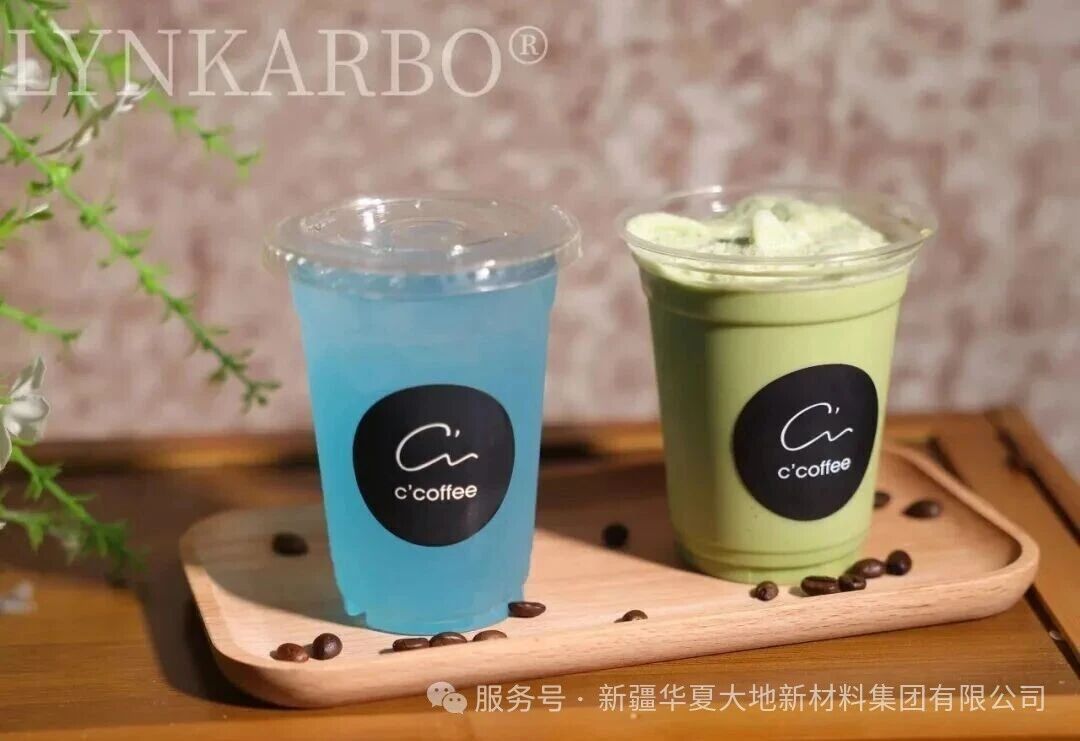
Build a green life together. Let's take action together.
Understand the product labels, refuse products with false degradation claims, and prefer to choose environmentally friendly products marked as "fully biodegradable" and made of PLA material.
Reduce the reliance on disposable items. Bring your own water bottles, tableware and eco-friendly bags, and practice a low-carbon lifestyle of reusable items.
Do a good job in sorting garbage. Separate PLA degradable waste from ordinary plastics and other household waste for better processing efficiency.
Actively disseminate environmental protection knowledge, popularize the hazards of plastic pollution, the risks of pseudo-degradation, and the advantages of PLA environmental-friendly materials, and encourage more people to participate in green actions.
The ecological environment has no substitutes, and a healthy life cannot be repeated. Let's start by refusing white pollution, staying away from pseudo-degradable products, and choosing PLA fully biodegradable products. With every small action, let's jointly protect our only home - the Earth.