


A recent global-scale study released by the Yale School of the Environment shows that if a complete treatment system is in place, the widespread use of biodegradable plastics has the potential to reduce global plastic-related toxic pollution by more than one-third by the middle of this century and significantly decrease the accumulation of plastic waste. The study, titled "The Role of Biodegradable Plastics in the Global Plastic Future", was published in "Nature Reviews Clean Technology" on January 16th and is the first major achievement to conduct a systematic prediction of the environmental impact of the entire life cycle of biodegradable plastics.
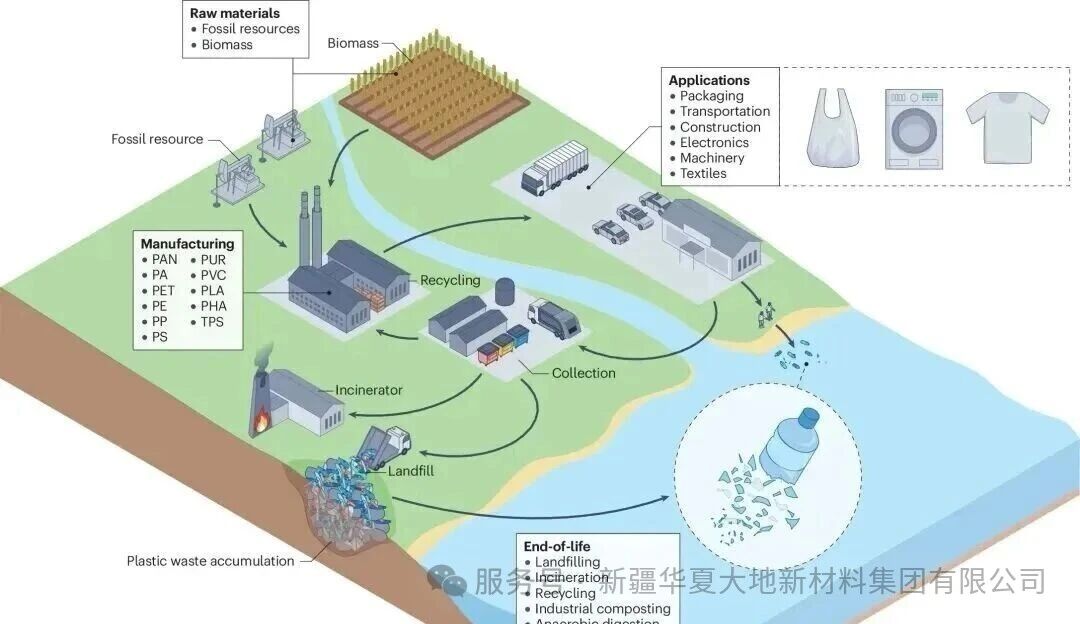
The research team has established an assessment system covering the entire chain from raw material acquisition, production, use to end-of-life disposal. In particular, it has incorporated the key scenario of microplastics formed after plastic enters the environment. The core data shows that by 2050, if biodegradable plastics replace traditional plastics to the greatest extent, the ecological toxicity of global plastics can be reduced by 34%, and no additional energy consumption will be incurred; if combined with the optimized waste management plan for traditional plastics, the cumulative amount of global plastic waste can be reduced by up to 65%.
However, the realization of these environmental benefits has a crucial prerequisite - standardized end-of-life treatment of biodegradable plastics must be implemented. Yuan Yao, an associate professor of industrial ecology and sustainable systems at Yale University and the corresponding author of the study, emphasized: "Biodegradable plastics do have the potential to reduce waste accumulation and lower ecological toxicity. However, improper end-of-life treatment can render these advantages completely ineffective. Currently, there is an urgent need to expand the infrastructure for treating biodegradable plastics and enhance public awareness and education on the use and classification of these materials."
This research is built upon the 2024 study conducted by Yuan Yao's team. Previously, the team had developed a specialized method for assessing the environmental impact of degradable microplastics in water bodies, and discovered the core trade-off relationship: the faster the degradation rate, the lower the ecological toxicity, but greenhouse gas emissions will increase accordingly. The new study further expands the analytical dimensions, comprehensively considering multiple variables such as the proportion of traditional plastics replaced by alternative technologies, different waste management scenarios, the global trend of plastic usage growth, and regional climate differences (such as temperature), making the prediction results more practically valuable.
The researchers pointed out that to fully realize the environmental benefits of the rapidly growing market for biodegradable plastics, efforts should be made in three aspects: first, increase investment in the research and development of water-saving raw materials; second, expand the infrastructure for waste management, including traditional plastic recycling and treatment systems; third, establish a standardized labeling system to clarify the differences in types of biodegradable plastics and prevent confusion among consumers, ensuring that all plastics are accurately classified and disposed of. "Biodegradable plastics are not a single type of product, but a vast category consisting of various materials. How to enable consumers to understand their differences through clear labels and popular science education is a key link in promoting their application," Yuan Yao added.
It is worth noting that the research team clearly emphasized that biodegradable plastics are not the "magic key" to solving the problem of plastic pollution. The first author of the paper, Zhengyin Piao, said: "Traditional plastics will still dominate the plastic market in the future. If the pollution problem of traditional plastics cannot be solved simultaneously, it will be difficult to fundamentally curb the accumulation of waste. Only by adopting a comprehensive strategy of 'reducing the landfill of traditional plastics + expanding the use of biodegradable plastics' can we effectively reverse the trend of the continuous growth of global plastic waste in the future."